
Do your emails often get ignored and end up unopened in crowded inboxes? You are not alone. Many businesses still send the same message to everyone, hoping something sticks.
The truth is, generic emails rarely perform well anymore. Artificial intelligence is changing that. AI allows marketers to deliver the right message to the right person at the right time, without endless manual effort.
AI transforms email marketing from a guessing game into a precise, data-driven strategy. It increases relevance, boosts conversions, and saves time while keeping campaigns smarter and more responsive.
Let us explore what AI does in email marketing, the real benefits it offers, practical strategies and tools that work, and the key challenges to watch for.
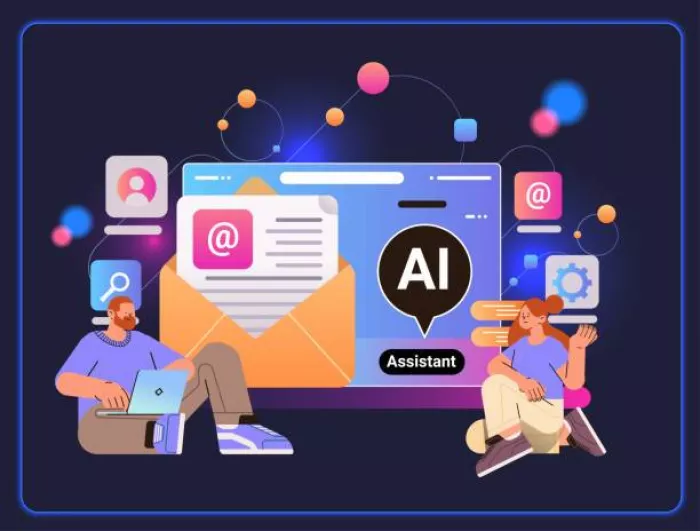
AI in email marketing means using smart technology to improve how emails are created, sent, and tracked. It is not just about scheduling emails in advance. AI learns from user behavior and uses that knowledge to send more relevant messages.
Traditional automation follows fixed rules. For example, if someone signs up, a welcome email is sent automatically. AI goes further. It monitors what people do—what they click, what they ignore, and when they open emails—then adjusts what is sent next.
Here is what AI can do inside an email marketing system:
● Read subscriber behavior, including opens, clicks, and scroll patterns
● Write and test subject lines automatically
● Group contacts by predicted actions
● Schedule each email for the best moment for each person
● Recommend products based on past purchases or browsing history
● Trigger emails based on actions taken on a site or app
● Identify which campaigns are working and explain why
AI is not just hype. For email marketing specifically, it solves real problems teams face every day. The improvements show up in engagement numbers, team efficiency, and overall revenue.
Here are the main benefits.
● Better Personalization at Scale
Writing a personal email to one contact is easy. Writing one for 10,000 contacts is not, unless AI is doing the work.
AI reads each subscriber’s history. Then it builds a message that fits that person specifically. It factors in what they clicked last week, what they ignored, and what they have purchased before. You no longer have to send the same email to everyone and hope it resonates.
Research shows that AI-driven personalization leads to a 41% increase in revenue and a 13% lift in click-through rates (DemandSage, 2025). That kind of jump happens without extra effort from your team.
● Higher Engagement and Conversion Rates
AI-powered emails outperform standard campaign emails because they are more relevant. They arrive at the right moment with content the subscriber actually cares about.
Automated, AI-triggered emails reach people when their interest is highest, often right after they take an action. This timing greatly increases the chance that someone will open, click, or make a purchase. When relevance and timing align, conversion rates improve naturally, without increasing your send volume or ad spend.
● Time Savings Through Automation
Creating emails takes significant time. Writing copy, testing subject lines, designing layouts, and scheduling sends all add up. AI reduces all of these tasks.
It can generate draft emails, suggest subject line options, and schedule campaigns based on subscriber behavior. This allows your team to spend less time on execution and more time on strategy.
In fact, 35% of marketing teams cite collecting feedback and managing approvals as a primary production bottleneck (Litmus). AI helps reduce this friction by streamlining workflows and minimizing manual back-and-forth.
Teams that previously spent hours on manual scheduling can redirect that time toward creative work and long-term planning.
● Smarter Decision-Making With Predictive Insights
AI does not just run campaigns. It helps you understand what is working before you scale it.
It can predict which subscribers are about to stop engaging. It can identify which content type is driving the most conversions. These insights let you adjust your approach before a campaign goes sideways.
Decisions backed by AI data are more accurate than gut calls. The result is better ROI with fewer wasted sends. Over time, this steady feedback loop helps you build campaigns that improve with every send rather than starting from scratch each time.
Knowing the benefits is a start. Putting them into action is what matters. To do that, you need the right tools and a clear plan. Choosing the best cold email software makes it easier to run AI-powered campaigns and scale outreach without extra manual work.
● AI-Powered Content Generation and Subject Line Optimization
Your subject line determines whether an email gets opened. AI helps by generating several subject line options at once and testing each one to find the most effective.
Instead of guessing which subject line will work, you rely on data. AI tracks open rates for each version and applies the results to improve future campaigns.
AI can also create first drafts of email copy. You still review and edit, but starting from a draft is much faster than writing from scratch.
● Predictive Customer Segmentation
Basic segmentation sorts contacts by age or location. AI segmentation sorts them by intent.
For example, AI might identify people who browsed the same product three times but never bought. That group receives a targeted follow-up email, not a generic newsletter. The message fits exactly where they are in their decision.
This makes each campaign more relevant and more likely to convert.
Instead of showing every subscriber the same products, AI selects what each person is most likely to want. It looks at browsing behavior, past purchases, and similar customer actions.
These recommendations are added to emails automatically. One template can deliver personalized content to every subscriber. No extra manual work is needed.
Trigger emails are sent when a subscriber takes a specific action. Such as visiting a pricing page, abandoning a cart, or completing a sign-up. AI improves these triggers.
It does not rely on a single action. It studies patterns and decides when to send the email, what message to include, and how much urgency to use. These emails feel timely and relevant because they arrive when interest is high.
Many teams choose one send time for the entire list. This means some subscribers receive emails at the wrong time.
AI solves this by learning when each subscriber usually opens emails. It schedules delivery individually. The campaign is sent once, but it reaches each inbox at the best possible time.
Contextual personalization adjusts email content based on real-world signals such as location, weather, device, or time of day.
A subscriber in Texas might see summer products. A subscriber in Michigan might see winter items. It is the same campaign, but the content changes automatically.
● Dynamic Email Frequency Optimization
Sending too many emails can lead to unsubscribes. Sending too few means missing opportunities to engage. The ideal frequency varies by contact.
AI monitors each subscriber's engagement over time. If a user opens every email, they may prefer daily updates. If someone rarely opens messages, AI automatically reduces the frequency.
This keeps your email list healthy, reduces unsubscribes, and removes the need for manual adjustments.
● Conversational Marketing Integration
AI links email with other channels so the experience feels connected. A subscriber who clicks a link in your email can flow into a chatbot conversation. A reply to an automated email can trigger a call from your sales team.
When email and other channels work together using AI, the results are strong. Omnisend data shows automated emails drove 30% of total email revenue from just 2% of total sends in 2025 (Omnisend, 2025). That ratio shows what AI-powered automation can do at scale.
AI delivers significant results in email marketing. However, it also comes with real challenges that businesses need to understand before implementation.
Clean and accurate data is essential: AI learns from subscriber behavior — clicks, opens, and past interactions. If your data is outdated or inconsistent, the AI may make poor recommendations. Regularly cleaning your subscriber list improves accuracy and performance.
Compliance with privacy laws is critical: Regulations like GDPR, CCPA, and CAN-SPAM govern how personal data can be used. Businesses must ensure subscribers have opted in and understand how their data is used. Ignoring these rules can lead to penalties and damage to your brand.
AI can make mistakes: AI-written emails can sound unnatural or miss your brand tone. Human review is essential. Every AI-generated email should be proofread before sending.
Implementation and setup take time: Integrating AI tools with existing CRMs and analytics platforms is not always instant. Complex tech stacks may require additional configuration. Planning sufficient time for setup reduces delays.
Choosing the right AI platform matters: Some tools are built for e-commerce. Others suit B2B or SaaS companies better. Testing a platform on a smaller audience before a full rollout helps identify strengths and weaknesses early.
Balancing automation with human oversight is vital: Too much automation can feel impersonal. Marketers must stay involved in strategic decisions and content review to keep messaging relevant and on-brand.
Cost and resource considerations should not be ignored: AI platforms vary widely in pricing. Budget for software costs, setup, and staff training to ensure a sustainable, long-term approach.
By addressing these challenges proactively, businesses can use AI effectively without compromising subscriber trust or campaign results.
AI has reshaped email and marketing automation, making them far more precise and responsive than before. Instead of relying on broad assumptions, businesses can now understand real user behavior and adjust their messaging in real time. This shift makes every email feel more relevant, timely, and useful to the recipient.
The real value of AI lies in how it simplifies complexity. Tasks that once required hours of manual effort can now be handled in the background, allowing teams to focus on strategy, creativity, and long-term growth. At the same time, it creates space for better decisions, stronger engagement, and more consistent results.
That said, success with AI is not about full automation. It comes from using the technology thoughtfully while maintaining human oversight. Clean data, clear goals, and regular testing remain essential.
Start small. Test a few AI-driven strategies, observe how your audience responds, and build from there. Over time, these incremental improvements can transform how your email marketing performs without overwhelming your workflow.
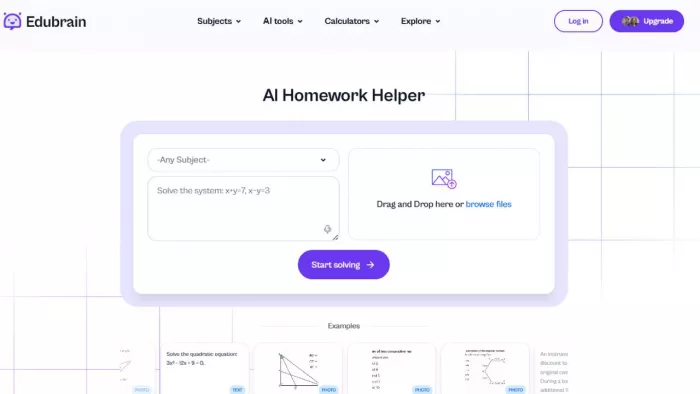
Homework used to take time. You had to go through books, notes, and di...
There is a very specific kind of confidence that comes from generating...

If AI could understand vibes, we wouldn’t be writing essays as prompts...

Hospitals are beginning to see measurable reductions in waiting times...

Artificial intelligence has quickly become part of everyday learning....

Five years is a major milestone in the loyalty where the staff has bec...

Discussion