

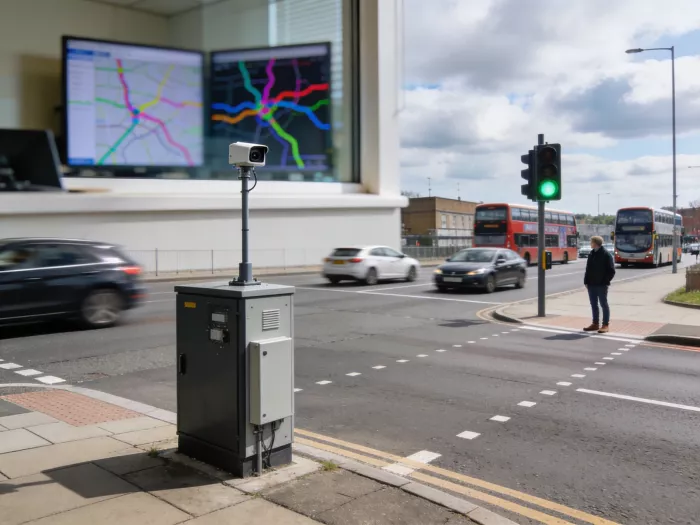
An artificial intelligence system designed as a “traffic twin” of the Tees Valley road network has reduced congestion and delays by more than 13% in its first six months, local transport officials say.
The project, led by the Tees Valley Combined Authority, uses a digital replica of real-world roads to monitor traffic in real time and respond before bottlenecks worsen. Early results suggest the system is already outperforming traditional, manually managed traffic control.
At the core of the project is a digital twin, a virtual model of the region’s road network that continuously updates using live data. The system ingests information from GPS-enabled buses, roadside sensors, and other traffic feeds to build a constantly evolving picture of road conditions.
Unlike traditional traffic monitoring systems that react to congestion after it forms, the AI model predicts where delays are likely to occur. It then simulates possible outcomes in the background and selects the most effective response.
The technology has been developed in partnership with traffic simulation and infrastructure companies, including Aimsun and Yunex Traffic, combining predictive modeling with real-time control.
In its initial six-month pilot phase, the system delivered a 13.7% reduction in delays across some of the busiest routes in the region.
Public transport has seen particularly strong improvements. In certain corridors, buses regained more than 11 mph in average speed shortly after the system intervened, according to project updates.
The AI currently operates across 11 congestion hotspots, where it can automatically adjust traffic signal timings to ease pressure and keep vehicles moving.

The digital twin runs continuous simulations in the background. When it detects a developing issue, such as growing queues at a junction, it can take action almost instantly.
Typical interventions include:
While human traffic managers still oversee operations, officials say the AI often identifies and applies solutions faster than manual control would allow.
Sean Fryer, digital transport delivery manager at TVCA, said the system helps reduce the everyday friction that slows commuters, particularly during peak travel times.
The next phase of the project will expand the system’s scope beyond vehicle traffic. Planned upgrades include integrating data on freight movement, pedestrian activity, cycling flows, and environmental sensors.
This would allow the digital twin to model not just congestion, but also air quality and emissions, giving planners a more complete picture of how transport systems affect urban life.
Officials describe the initiative as a first-of-its-kind deployment at a city-region scale in the UK, and a potential blueprint for other regions exploring AI-driven traffic management.
The Tees Valley pilot highlights a broader shift in how cities approach transport infrastructure. Instead of relying on fixed schedules and reactive controls, systems are moving toward predictive, adaptive models that learn from real-time data.
If results continue at this pace, digital twins could become a standard layer in urban transport systems, quietly managing traffic flow while drivers simply experience shorter journeys and fewer delays.
For now, the early data suggests a simple outcome: when traffic systems start thinking ahead, roads start moving faster.

Do your emails often get ignored and end up unopened in crowded inboxe...
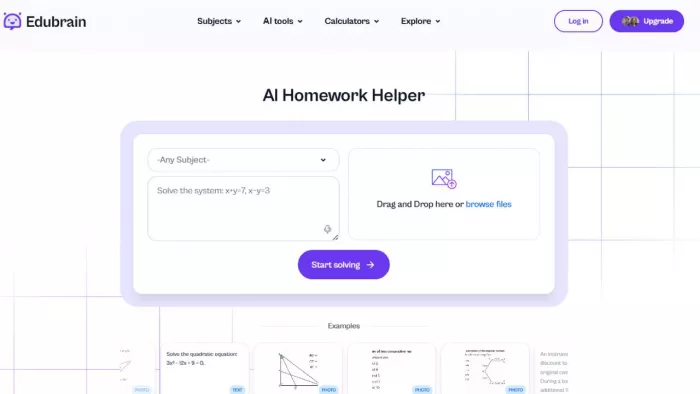
Homework used to take time. You had to go through books, notes, and di...

There is a very specific kind of confidence that comes from generating...

If AI could understand vibes, we wouldn’t be writing essays as prompts...
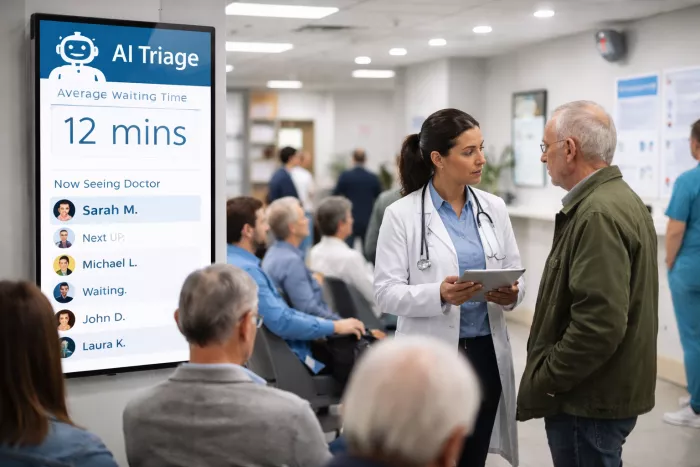
Hospitals are beginning to see measurable reductions in waiting times...

Artificial intelligence has quickly become part of everyday learning....
Discussion