

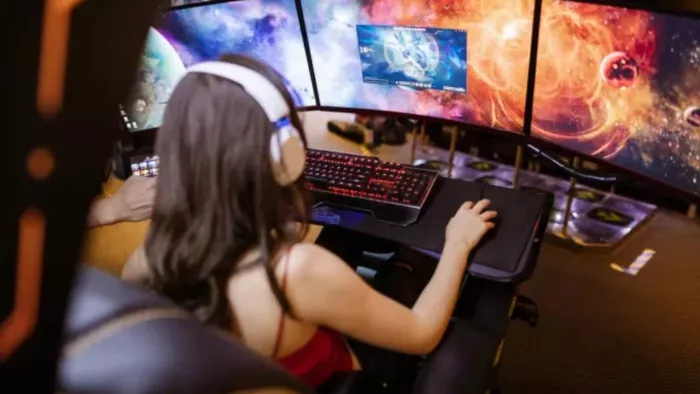
AI's taking over everything these days, and gaming is no different. Actually, it's pretty wild how much artificial intelligence has changed the way we play skill-based digital games. We're not just talking about better graphics here – this stuff is completely rewiring how games work from the ground up.
Think about it. The games you're playing right now probably use AI in ways you haven't even noticed. Let's break down five major ways this tech is shaking things up.
Remember those old games where you'd get stuck on one level for weeks? Yeah, AI's fixing that problem. Dynamic Difficulty Adjustment is basically like having a really smart friend watching you play who knows exactly when to make things easier or harder.
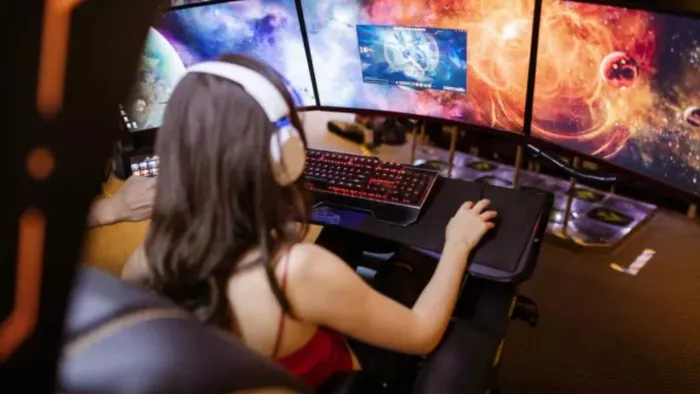
Here's how it works: the game's constantly watching your moves. Crushing everything in sight? It'll throw tougher enemies at you. Struggling with a boss fight? The AI might dial back the damage or give you better loot drops. It's sneaky about it, too – you usually won't even notice it's happening.
The result? You stay in what developers call the "flow state" – that sweet spot where you're challenged but not frustrated. Pretty clever, right?
NPCs used to be predictable as clockwork. Walk here, say this line, repeat forever. Not anymore. Today's AI-powered characters actually learn from what you do and adapt their strategies.
Take online poker games, for example. The AI opponents aren't just following a basic script – they're studying your betting patterns, figuring out when you bluff, and adjusting their play accordingly. It's like playing against real people who never get tired or make emotional mistakes.
This makes games way more immersive. When NPCs react intelligently to your choices, it feels less like you're playing against a computer and more like you're in an actual world with thinking beings.
This one's a game-changer – literally. Instead of developers manually creating every level, AI can generate new content on the fly based on how you play.
Imagine a puzzle game that knows you're great at spatial reasoning but struggle with time pressure. The AI creates new levels that play to your strengths while gradually improving your weak spots. Every playthrough becomes unique because the game builds itself around your specific skills.
No Man's Sky does this with entire planets. Spelunky generates new cave systems every time. It's like having an infinite game that never runs out of surprises.
Modern AI doesn't just track what you do in-game – it learns what you actually enjoy and tailors everything accordingly.
Love exploration but hate fetch quests? The AI notices and adjusts quest recommendations. Prefer stealth over combat? Story elements might shift to give you more sneaky options. Some games even modify their soundtracks based on your emotional responses to different musical styles.
It's not just about difficulty anymore. We're talking about games that reshape themselves to match your personality and preferences. Pretty mind-blowing when you think about it.
Anyone who's played online games knows the pain of terrible matchmaking. Getting stomped by someone way above your skill level? Not fun. Crushing beginners? Also not fun (well, maybe a little).
AI matchmaking systems now consider dozens of factors beyond just win-loss records. They look at reaction times, decision-making patterns, and even how you perform under pressure. The goal is to create matches where everyone has a real chance to win.
Games like Overwatch and Rocket League have gotten scary good at this. You might wait a bit longer for a match, but when you get one, it's usually pretty balanced.
AI isn't just making games prettier or faster – it's making them smarter. These systems are creating experiences that adapt to who you are as a player, not just forcing you to adapt to them.
And we're probably just scratching the surface here. As AI gets more sophisticated, who knows what's coming next? Games that understand your mood? NPCs with actual personalities? Virtual worlds that evolve based on entire communities of players?
One thing's for sure – the next time you fire up your favorite game, there's probably some seriously smart AI working behind the scenes to make your experience better. Even if you can't see it happening.

WhatsApp is preparing to allow third-party artificial intelligence cha...

BrandCrowd built its name as a go-to logo tool for small business...

There is a specific kind of disappointment that comes from opening a b...

AI companion apps have moved well beyond novelty status. What started...
Let’s start with an uncomfortable truth. Most people want their photos...
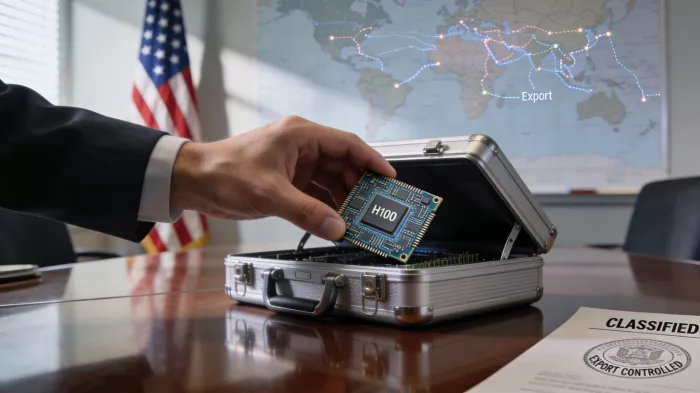
The U.S. Commerce Department is considering a new set of export contro...
Discussion