

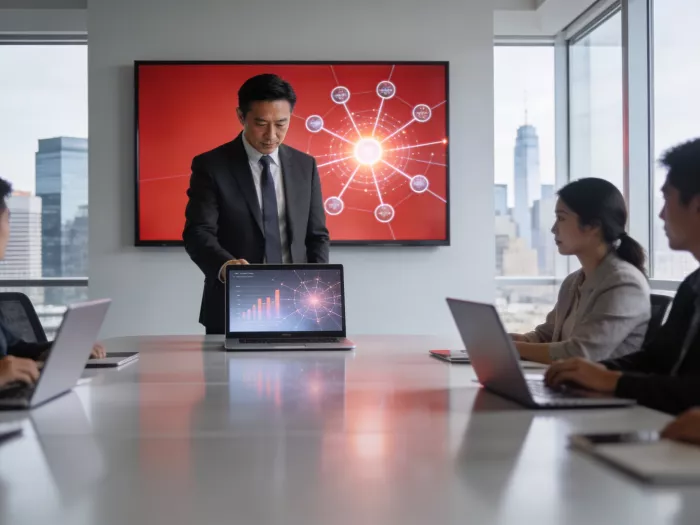
Alibaba has consolidated its sprawling artificial intelligence efforts into a single division called Alibaba Token Hub (ATH), placing CEO Eddie Wu directly in charge of the company’s AI direction. The move marks one of the clearest signals yet that the Chinese tech giant is shifting from AI experimentation to large-scale monetization.
The new unit will sit alongside Alibaba’s top-tier businesses, including e-commerce and cloud, effectively elevating AI to a central operational pillar rather than a supporting function. For a company that has spent the past year navigating leadership changes and market pressure, the restructuring represents a decisive attempt to sharpen its narrative around AI revenue.
The newly formed Token Hub brings together several previously fragmented teams under a single umbrella, covering everything from foundational models to enterprise tools and consumer applications.
Key groups now folded into ATH include:
In addition, ATH will oversee major products like DingTalk, Alibaba’s workplace collaboration platform, and Quark-branded hardware initiatives such as AI-focused smart devices.
Taken together, the unit spans the full AI value chain: research, infrastructure, applications, enterprise tools, and hardware. The consolidation removes internal silos that previously separated these efforts across different business lines.
Alibaba’s decision comes at a moment when the company is under pressure to clarify how its AI investments translate into revenue. While it has released competitive models and tools, its strategy has often appeared scattered compared to rivals.
By grouping everything under Token Hub, Alibaba aims to streamline coordination between research, product teams, and sales while presenting a more coherent offering to enterprise customers.
Internally, the company has framed the strategy around a simple principle: generate tokens, deliver tokens, and monetize tokens. The language reflects a shift toward usage-based AI billing models, where revenue is tied to how much customers interact with models and services rather than traditional software licensing.
The restructure also follows the recent departure of a key leader from the Qwen model team, a move that added urgency to stabilizing and realigning Alibaba’s AI efforts.
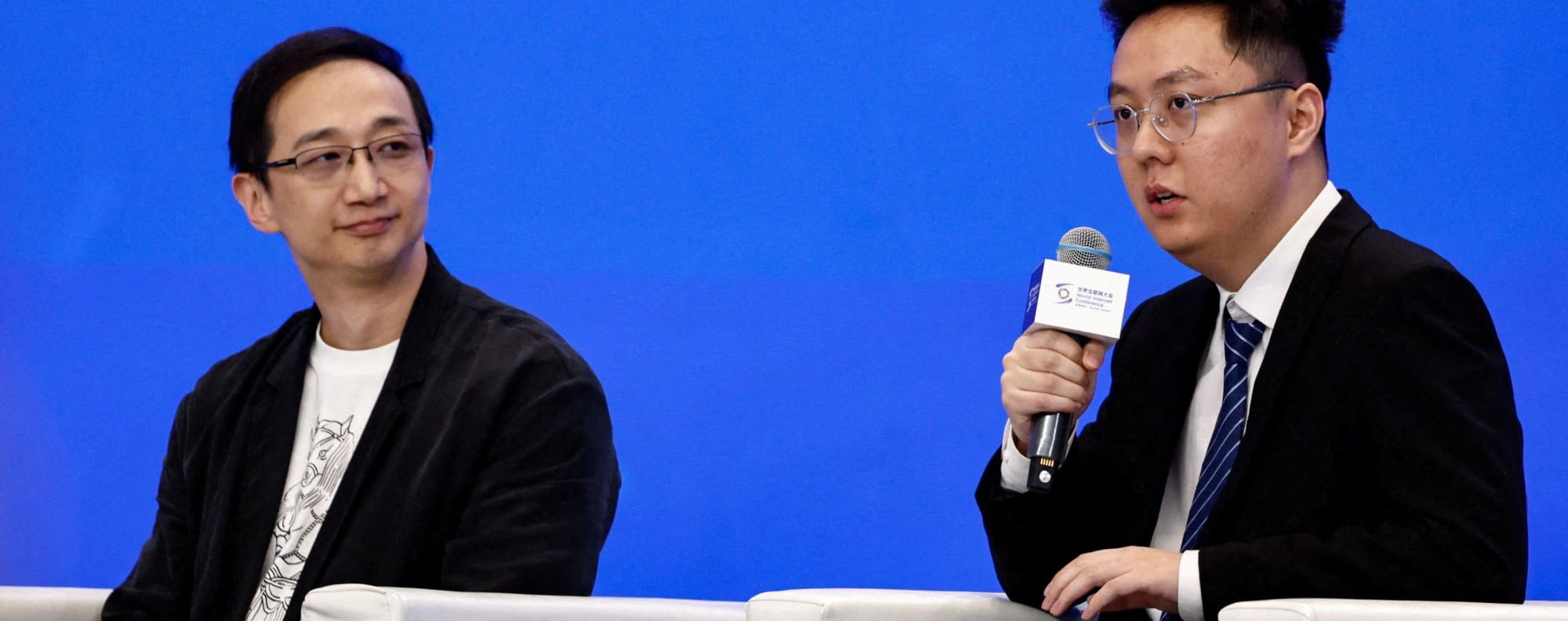
Markets reacted positively to the announcement, with Alibaba Group shares rising modestly in pre-market trading in the U.S. The uptick suggests investors see the move as a step toward clearer execution, particularly as the company approaches its next earnings report.
That earnings release is expected to provide more concrete insight into how AI products like Qwen, MaaS, and Wukong contribute to overall revenue, an area where Alibaba has so far offered limited transparency.
Alongside the structural overhaul, Alibaba is reportedly preparing a new generation of enterprise-focused AI agents built on its Qwen models. These tools are expected to integrate across Alibaba’s ecosystem, including platforms such as Taobao and Alipay, extending AI functionality into commerce and payments.
This signals a broader ambition: not just to build models, but to embed them deeply into everyday business workflows and consumer experiences.
The reorganization positions Alibaba as one of the first major internet companies in China to restructure its entire business architecture around AI rather than treating it as a standalone division.
Competitors such as Baidu and Tencent have also accelerated their AI efforts, but Alibaba’s move stands out for its scale and for placing direct executive oversight at the CEO level.
More importantly, it reflects a wider industry transition. The focus is no longer just on building capable models. The next phase is about turning those models into reliable, scalable revenue streams.
While the Token Hub creates a clearer structure, its success will depend on execution. Alibaba must now demonstrate that it can translate technical capability into consistent enterprise adoption and measurable revenue growth.
If it succeeds, the company could reposition itself as a central player in the enterprise AI market. If not, the restructuring risks being seen as another internal reshuffle without meaningful impact.
For now, the message from Alibaba is unambiguous: AI is no longer a side bet. It is the business.

Do your emails often get ignored and end up unopened in crowded inboxe...
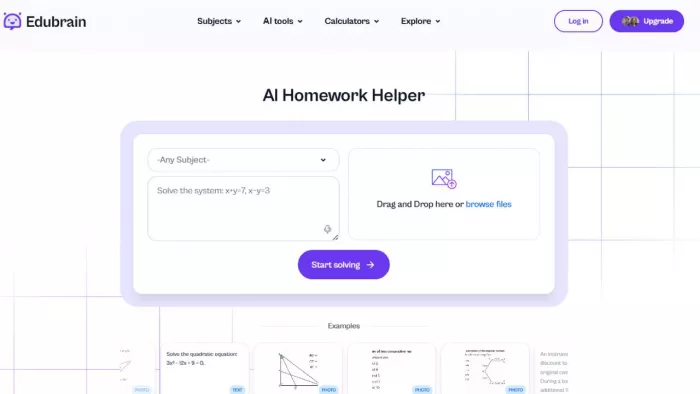
Homework used to take time. You had to go through books, notes, and di...
There is a very specific kind of confidence that comes from generating...
If AI could understand vibes, we wouldn’t be writing essays as prompts...

Hospitals are beginning to see measurable reductions in waiting times...

Artificial intelligence has quickly become part of everyday learning....
Discussion