


Online learning has quietly shifted from passive watching to active assistance.
Students today are not just consuming videos or reading PDFs. They are summarizing lectures, generating flashcards, asking follow up questions, and building personalized study loops. AI tools have become the layer that sits on top of traditional learning platforms and makes them actually usable at scale.
But not all AI learning tools serve the same purpose. Some act as study copilots. Others specialize in note transformation. A few focus on structured learning paths. This editorial guide looks at the AI tools that are genuinely useful for online learning in 2026, with clear positioning and realistic limitations.
Official URL: https://quizlet.com
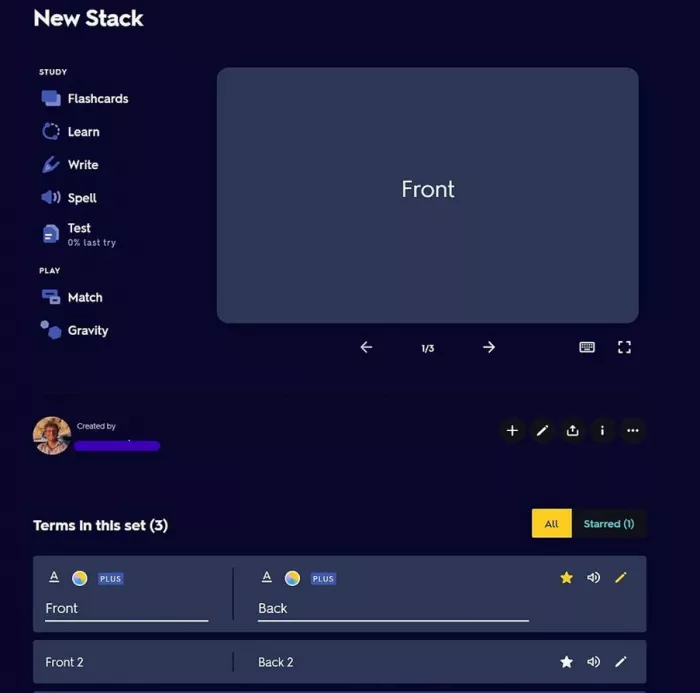
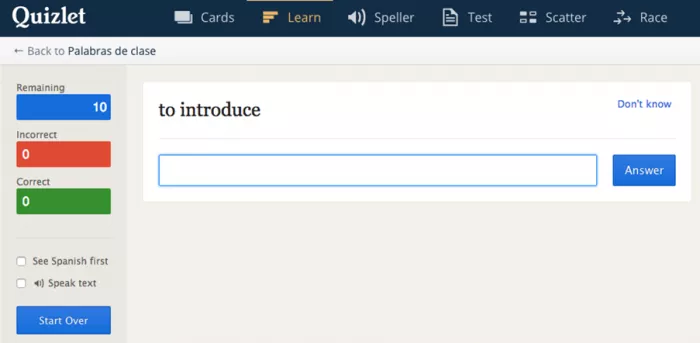
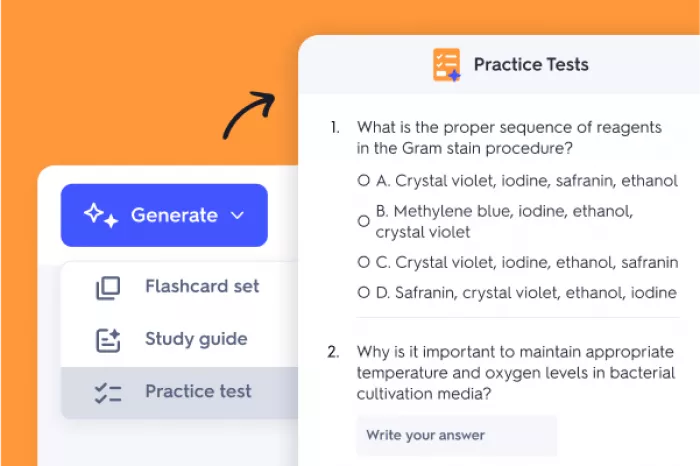
Quizlet has been around for years, but its AI layer has made it significantly more powerful for modern learners. The platform now automatically generates flashcards, practice tests, and adaptive study sessions from uploaded material.
Where Quizlet performs best is reinforcement learning. Students preparing for exams can quickly turn notes into spaced repetition sessions, which is still one of the most reliable ways to retain information. The mobile experience also makes it easy to fit study sessions into short time windows.
The limitation is depth of explanation. Quizlet helps you memorize efficiently, but it is not designed to deeply teach complex concepts. Many students still pair it with a more conversational AI tutor.
Official URL: https://www.khanacademy.org/khan-labs
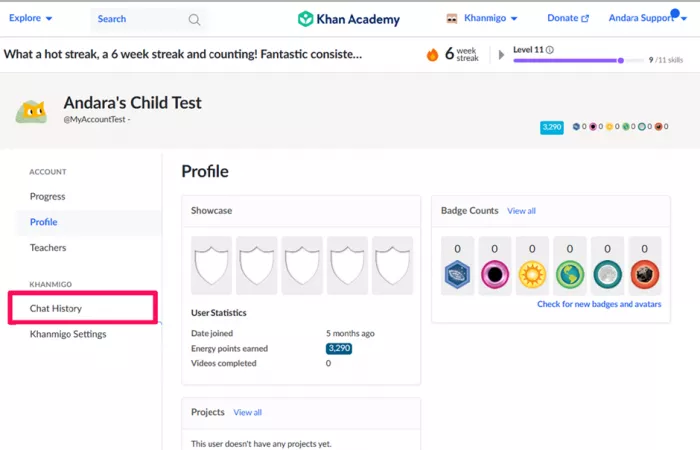
Khanmigo represents one of the more education focused AI tutors currently available. Built on top of the Khan Academy ecosystem, it is designed to guide students step by step rather than simply giving answers.
Its biggest strength is guided learning. Instead of dumping solutions, Khanmigo often nudges students with hints and follow up questions. For subjects like math, science, and structured curricula, this approach is far more pedagogically sound than generic AI chat.
The tradeoff is coverage flexibility. Khanmigo works best inside Khan Academy’s structured content environment. For completely open ended research topics, students may still prefer a general AI assistant.
Official URL: https://www.notion.so/product/ai
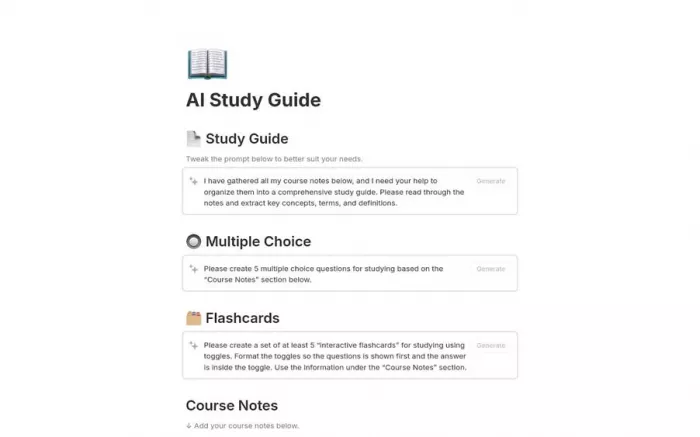
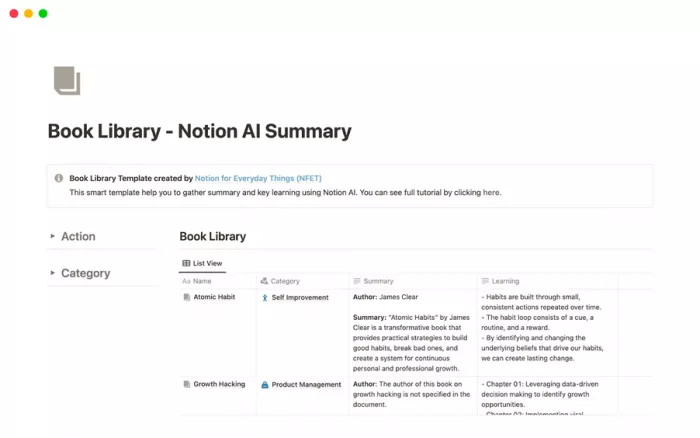
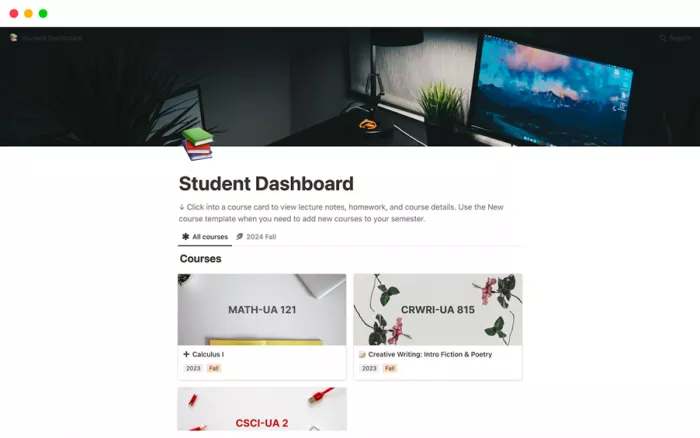
Notion AI has become a quiet favorite among students who manage large volumes of notes. Its strength is not teaching directly but transforming messy information into structured study material.
Students use Notion AI to summarize lectures, extract key points, generate study questions, and organize research. For self directed learners juggling multiple subjects, this can dramatically reduce cognitive overhead.
However, Notion AI is only as good as the notes you feed it. It does not replace a proper learning platform. Think of it as an intelligence layer for organization and synthesis rather than a full tutor.
Official URL: https://eightify.app
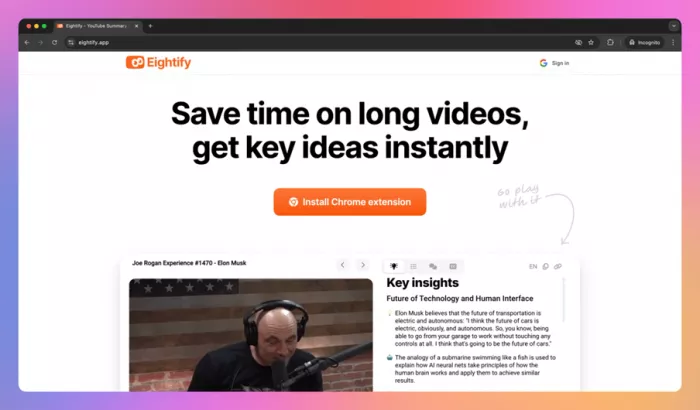
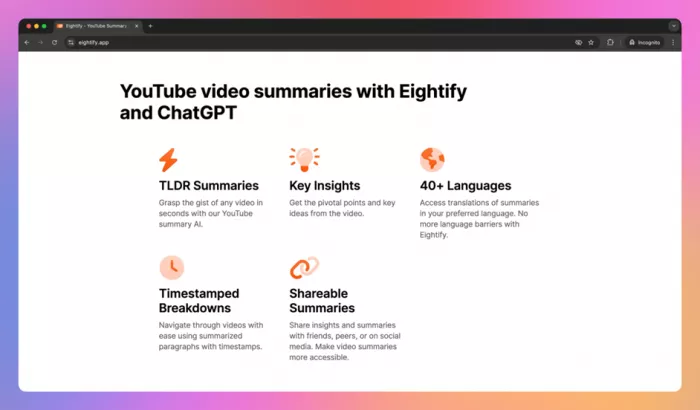
Eightify focuses on a very specific but increasingly common learning behavior: extracting value from long YouTube lectures and educational videos.
The tool summarizes long videos into key takeaways, timestamps, and structured bullet insights. For learners who rely heavily on YouTube for education, this can save significant time during review and revision.
Its limitation is depth and nuance. Summaries are helpful for quick understanding but should not replace full viewing for complex topics. It works best as a review accelerator rather than a primary learning method.
Official URL: https://scribesense.com

ScribeSense operates more on the institutional side of online learning. It uses AI to evaluate handwritten work, assessments, and learning progress at scale.
For educators and edtech programs, the platform can dramatically reduce manual grading workload while providing analytics on student performance patterns. This makes it particularly valuable in large scale digital classrooms.
For individual learners, however, its direct utility is limited. ScribeSense is best understood as infrastructure for education systems rather than a personal study assistant.
If your main struggle is memorization and exam prep, Quizlet’s AI flashcards remain one of the most efficient reinforcement tools.
If you want a guided AI tutor that actually teaches, Khanmigo is currently one of the more education aligned assistants available.
For learners drowning in notes, PDFs, and research material, Notion AI provides strong organizational leverage.
If your learning pipeline is heavily YouTube driven, Eightify saves meaningful review time.
And for educators managing large scale assessments, ScribeSense operates at a completely different infrastructure level.
AI is not replacing online learning platforms. It is wrapping around them.
The most effective learners in 2026 are building personal study stacks where AI handles summarization, repetition, and organization while human effort stays focused on understanding and practice.
Used thoughtfully, these tools do not just make studying faster. They make it more structured, more adaptive, and far less overwhelming.
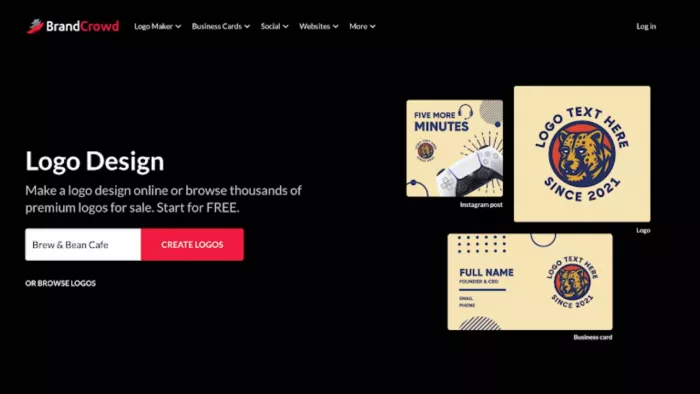
BrandCrowd built its name as a go-to logo tool for small business...
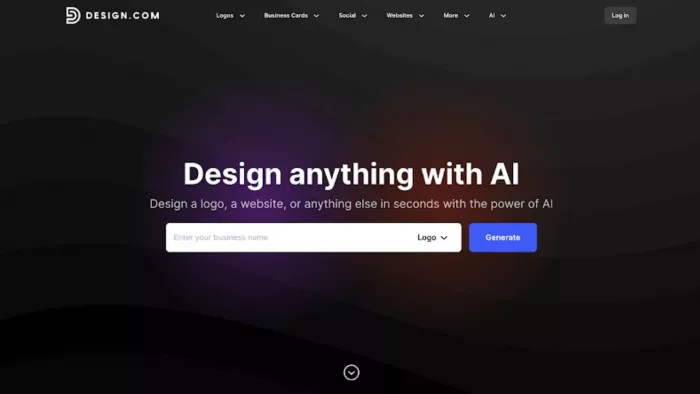
There is a specific kind of disappointment that comes from opening a b...
AI companion apps have moved well beyond novelty status. What started...
Let’s start with an uncomfortable truth. Most people want their photos...

The U.S. Commerce Department is considering a new set of export contro...

Amazon Web Services has introduced Amazon Connect Health, a new health...
Discussion