

There is a very specific kind of confidence that comes from generating hundreds of flashcards instantly. It feels efficient. It feels smart. It feels like progress.
Then 48 hours later, most of that information quietly disappears.
That is the uncomfortable truth behind many AI-first study tools. They optimize for speed, not retention. And that is exactly where alternatives to Flashka AI start to matter.
This is not about which tool looks better or generates faster cards. This is about which tools actually move information into long-term memory, the kind that survives exams, interviews, and real-world use.
Flashka AI focuses on reducing effort. Upload content, generate flashcards, start reviewing immediately. It solves the biggest friction point in studying, which is getting started.
But most alternatives take a different approach. They treat learning as a system, not a shortcut. Instead of optimizing input speed, they optimize when and how information is reviewed.
| Tool Type | Tools Included | Core Approach | What It Optimizes | Where It Falls Short |
| AI-first | Flashka AI | Auto-generated cards | Speed and ease | Retention consistency |
| SRS-first | Anki, RemNote | Spaced repetition scheduling | Long-term memory | Initial effort |
| Hybrid | Quizlet, Knowt | AI + adaptive modes | Balance | Precision |
The key insight is simple. Reducing effort does not automatically improve memory.
Anki is widely considered the most powerful memory tool, but it does not try to impress users early. It rewards consistency over convenience.
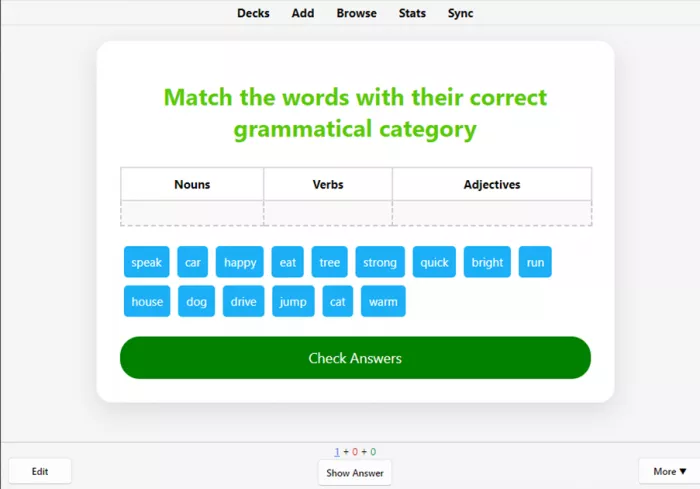
Its strength lies in advanced spaced repetition systems that schedule reviews at the exact moment information is about to be forgotten. This dramatically improves retention while reducing unnecessary repetition over time.
| Metric | Performance | Practical Impact |
| Setup effort | High | Slower onboarding |
| Retention accuracy | 85–95% | Strongest long-term recall |
| Learning depth | Very high | Forces conceptual clarity |
| Review efficiency | Extremely high | Fewer repetitions over time |
Anki does not feel fast. It feels effective.
RemNote takes a different path by connecting flashcards directly with notes. Instead of isolated cards, information exists within a larger structure of ideas.
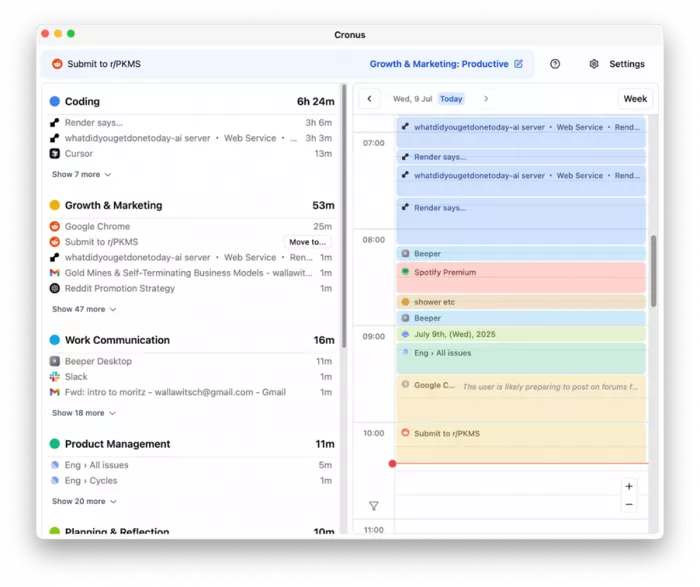
This improves not just recall, but understanding.
| Metric | Performance | Practical Impact |
| Context retention | Very high | Better conceptual understanding |
| Card structure | Strong | Reduces shallow memorization |
| Learning flow | Integrated | Notes and memory combined |
| Retention consistency | High | Reliable long-term recall |
RemNote is not just about remembering facts. It is about connecting them.
Knowt positions itself between speed and structure. It offers AI-powered flashcard generation but adds multiple study modes that encourage active recall.
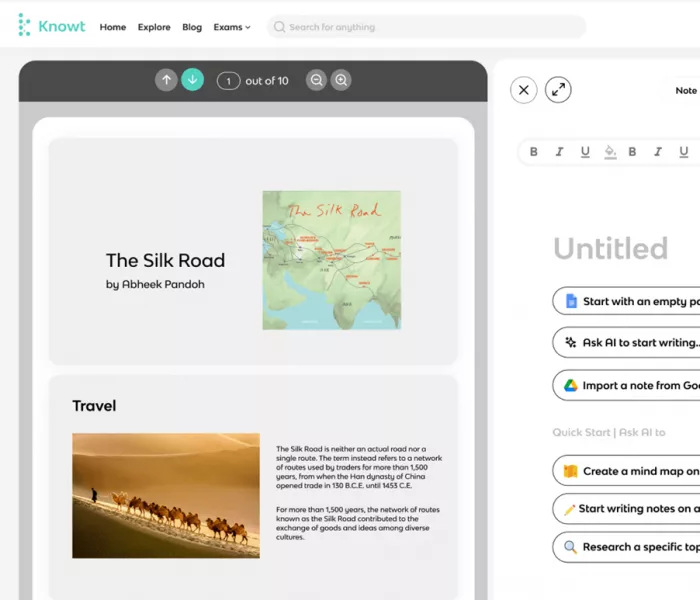
This combination makes it more balanced than pure AI tools.
| Metric | Performance | Practical Impact |
| Setup speed | Fast | Minimal friction |
| Retention (48h) | 75–85% | Better than basic AI tools |
| Engagement level | High | Encourages consistency |
| Study flexibility | Strong | Multiple learning styles supported |
Knowt works well when both speed and retention matter.
Quizlet remains popular because of its simplicity. It is easy to use, accessible, and supports collaborative learning.
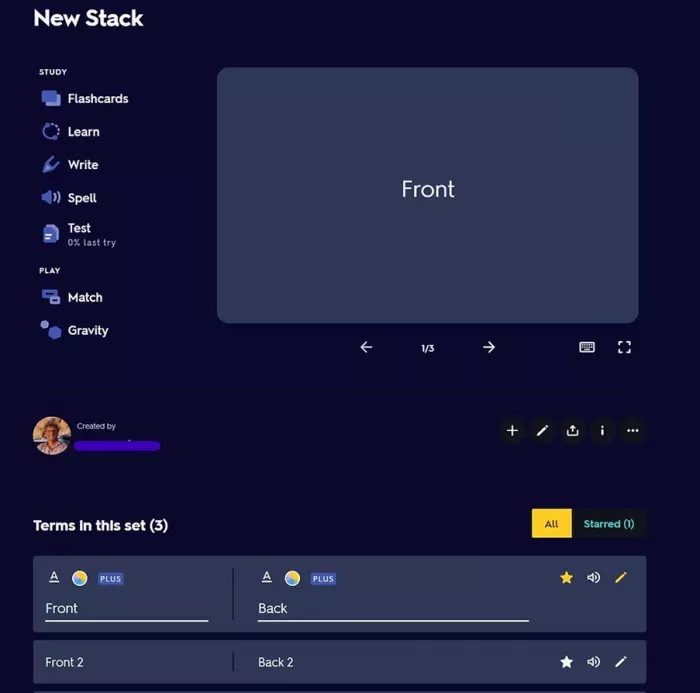
However, its retention system is not as advanced as dedicated spaced repetition tools.
| Metric | Performance | Practical Impact |
| Ease of use | Very high | Quick to start |
| Retention strength | Medium | Drops over time |
| Engagement | Strong | Keeps sessions active |
| Long-term learning | Moderate | Not ideal for mastery |
Quizlet is convenient, but not built for deep memory.
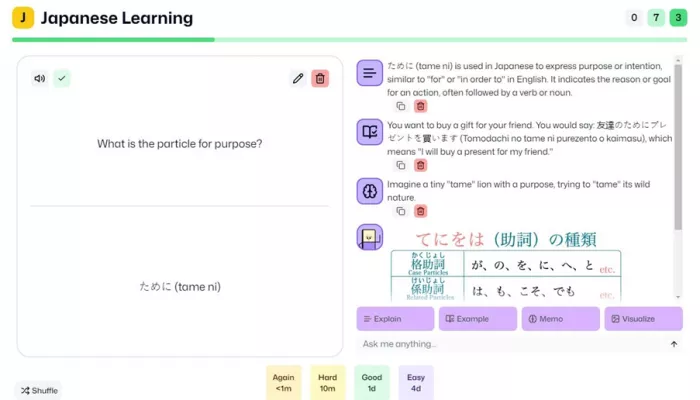
Flashka AI is still one of the fastest tools available for generating flashcards. It removes friction almost completely, which makes it extremely appealing for quick study sessions.
| Metric | Performance | Practical Impact |
| Generation speed | Instant | Best for rapid setup |
| Learning depth | Medium | Depends on output quality |
| Retention stability | Moderate | Needs stronger scheduling |
| Efficiency for cramming | High | Useful for short-term use |
Flashka AI feels productive immediately. The challenge is maintaining that productivity over time.
Choosing the right tool depends on the goal, not the features.
Each tool solves a different part of the learning problem.
Flashka AI makes studying easier.
Its alternatives make learning stronger.
That difference becomes visible not during the study session, but days later when recall is tested.
If the goal is speed, Flashka AI delivers immediately.
If the goal is retention, tools like Anki and RemNote consistently perform better.
The most effective approach is not choosing one tool, but understanding when to use each.
Because the goal is not completing flashcards.
It is remembering what actually matters.
Flashka AI is faster and easier to use, but Anki is significantly better for long-term retention due to its advanced spaced repetition system.
Anki and RemNote are the strongest choices for exams because they are designed to improve recall over time, not just initial learning.
They are useful for quick understanding, but they can oversimplify concepts and may not always support deep retention without structured review.
Quizlet and Knowt are easier to start with due to their simple interfaces and guided learning modes.
Yes, it works well as a fast input tool, while platforms like Anki or RemNote can be used for long-term retention and structured learning.

Do your emails often get ignored and end up unopened in crowded inboxe...
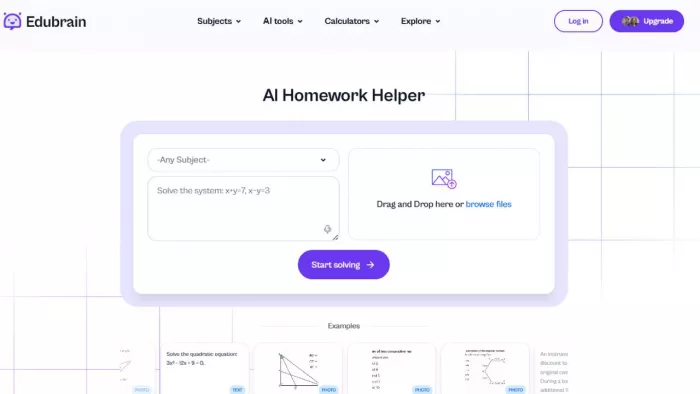
Homework used to take time. You had to go through books, notes, and di...
If AI could understand vibes, we wouldn’t be writing essays as prompts...

Hospitals are beginning to see measurable reductions in waiting times...
Artificial intelligence has quickly become part of everyday learning....

Five years is a major milestone in the loyalty where the staff has bec...
Discussion