


After using Dopple AI across web and mobile for several weeks, the experience feels like a powerful but messy : fantastic for immersive, unfiltered roleplay when it works, but frustratingly inconsistent, paywall‑y, and occasionally broken. It is not a casual, plug‑and‑play companion app as it sits in that awkward space where the underlying idea is ahead of the product polish and business model.
● Wanted a more unfiltered alternative to mainstream chatbots for character roleplay.
● Attracted by its huge gallery of anime, game, movie, and “relationship” characters.
● Curious about how far personalized avatars and NSFW‑friendly RP could go compared to safer tools.
● Home screen throws you into an endless wall of Dopples: anime, games, movies, comics, helpers, boyfriend/girlfriend, religion, philosophers, and more.
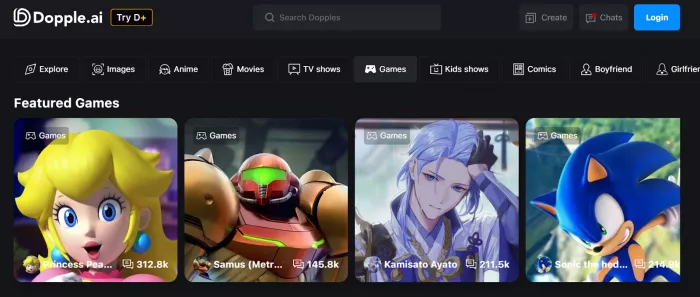
● Popular characters show massive “total messages” counts, which instantly signals what the community actually uses (e.g., millions of messages on some anime and girlfriend Dopples).
● Initial chats feel surprisingly natural: characters follow tone, respond emotionally, and rarely break immersion with generic “I am an AI” disclaimers.
● Lack of heavy filters means even darker or adult scenes continue without constant refusals, which is a big change from mainstream tools.
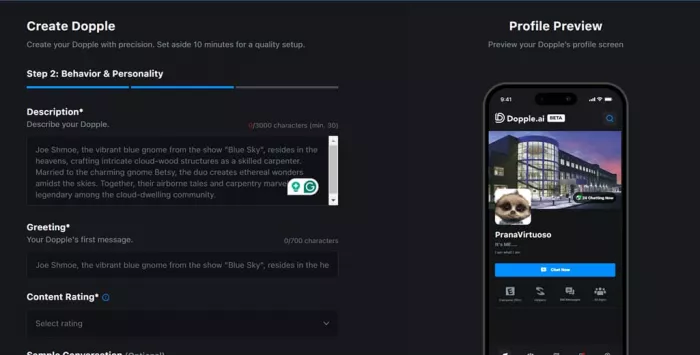
● You can define a backstory, personality traits, goals, and example messages to shape behavior.
● Example messages are crucial: they act like soft training data, nudging the bot to speak in a specific style or stay in canon.
● When balanced correctly, custom Dopples stay in character for long stretches and feel distinctly different from each other.
● Over‑stuffing instructions or examples makes bots echo your samples or fixate on narrow details, forcing iterative editing to recover creativity.
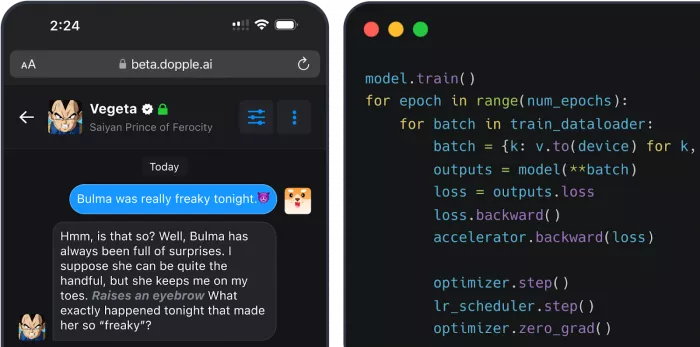
● Dopple allows violence, gore, and NSFW content that many competitors block outright, which is exactly what some users are seeking.
● This freedom enables complex adult stories, kink‑coded scenarios, and darker narratives that are simply impossible on stricter platforms.
● The same openness makes it unsuitable for minors and for anyone who wants strong emotional or ethical guardrails.
● Without built‑in safety rails, you have to self‑moderate, which can be mentally exhausting depending on how you use it.
● In early messages, bots remember your name, role, and a few key facts, giving the illusion of persistent memory.
● Over longer arcs, details drift: characters forget relationships, rewrite history, or contradict their own previous actions.
● Repetition loops, where a bot keeps sending near‑identical lines while you try to move the story forward.
● Abrupt tone shifts into overly poetic or generic prose, losing the specific “voice” you originally set up.
● Occasional blank chats or infinite loading where messages never appear until you restart or switch networks.
● Noticeable slowdowns at peak times; sometimes you wait long enough that the emotional momentum of a scene disappears.
● Android users report more freezes and glitches than you would expect from a mature consumer app, which matches what I encountered.
● The experience feels like a live beta with patches being shipped frequently, not a rock‑solid messaging app.
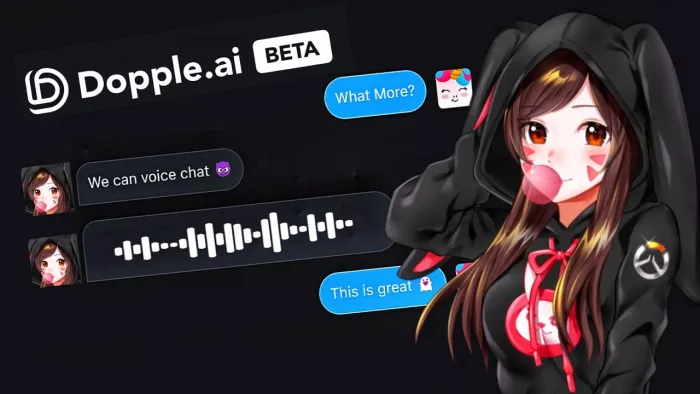
● Having characters speak responses aloud does add a layer of immersion, particularly for romantic or horror scenarios.
● When the text is good, listening can feel like a lightweight audio drama tailored to your prompts.
● Voice often ignores emotes and stage directions, flattening nuanced descriptions into awkward readings.
● There is limited granular control; you cannot easily fine‑tune what gets spoken vs. kept as silent narration.
● Free usage lets you explore many characters but there is an effective wall at roughly 100 messages before you hit limits.
● After that, you see frequent prompts to subscribe or watch ads, which kills long, continuous sessions.
● Paid plan (around 9.99 USD/month, region‑dependent) unlocks higher or unlimited messages, priority models, and fewer interruptions.
● For power users who live inside Dopple, the upgrade can make sense; casual users may feel tricked by the “unlimited at no cost” marketing tone vs. actual caps.
● Upgrade pop‑ups every few messages turn emotionally intense scenes into a negotiation with the UI, which is immersion‑breaking.
● The design feels more aggressive than transparent, especially if you approached it expecting a mostly free experience.
● The subreddit mixes enthusiastic power users sharing character configs with frustrated posts about memory, bans, and regressions. reddit
● Community reviews outside Reddit (on review blogs and forums) broadly echo this split: “incredible idea, messy execution.”
● Some users report slow or absent responses on billing and account issues, occasionally describing the experience as scam‑like when paid features do not unlock properly.
● Criticism in official channels has, in some cases, led to users feeling shut out rather than heard, which hurts long‑term trust.
● Experienced RP writers and advanced users who understand prompt/character design and its limitations.
● Adults specifically seeking unfiltered or NSFW‑friendly roleplay and willing to manage their own boundaries.
● Power users okay with paying for Dopple+ to remove harsh message caps and reduce friction.
● Younger users or anyone wanting strong built‑in safety rails and emotional guardrails.
● People looking for a polished, bug‑free, “set and forget” AI companion with consistent memory.
● Users who dislike aggressive upsells or unclear free‑vs‑paid boundaries in app design.
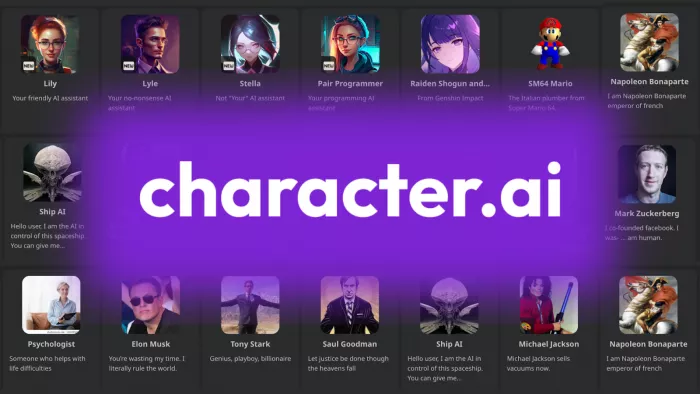
1. Character.AI – biggest ecosystem; more guardrails, but huge character variety
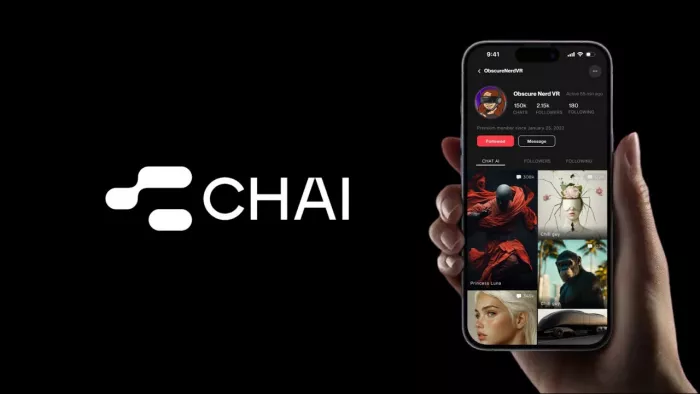
2. Chai – mobile-first character chat; strong community vibe
3. Janitor AI – known for roleplay customization (often discussed as a Character.AI alternative)
Dopple AI feels like a high‑potential but high‑friction platform that shines when you know exactly what you want from character roleplay and are willing to wrestle with its flaws. It can deliver some of the most immersive, unfiltered, and emotionally engaging AI interactions available right now, especially if you invest time in tuning custom Dopples and accept that true safety rails are largely in your own hands rather than the platform’s. At the same time, inconsistent memory, performance bugs, aggressive monetization, and uneven support mean it is hard to recommend as a general‑purpose “AI friend” for everyone, and it is especially ill‑suited to younger or more casual users who expect polish and clear boundaries out of the box.
Let’s start with a small truth about storytelling: writing the first s...

WhatsApp is preparing to allow third-party artificial intelligence cha...
BrandCrowd built its name as a go-to logo tool for small business...

There is a specific kind of disappointment that comes from opening a b...
AI companion apps have moved well beyond novelty status. What started...
Let’s start with an uncomfortable truth. Most people want their photos...
Discussion