

At a glance, Geekzilla Radio looks like another entry in the crowded world of podcasts and tech commentary. But spending time with the platform makes it clear that it doesn’t behave like a traditional podcast network at all. It functions more like a live digital commons for people who don’t just consume geek culture, but actively participate in it.
This article breaks down what Geekzilla Radio actually is, how it operates, who uses it, and why it has managed to sustain growth without relying on viral clips or influencer-driven hype.
Geekzilla Radio sits in an unusual middle ground.
It is not a classic FM/AM radio station, and it’s not a collection of neatly packaged, pre-recorded podcasts designed for passive listening. The platform is built around live broadcasting, where the expectation is that listeners are present, responsive, and willing to engage in real time.
That distinction shapes everything else:
This live-first approach explains why Geekzilla Radio feels messier than studio-polished podcasts, but also more human.
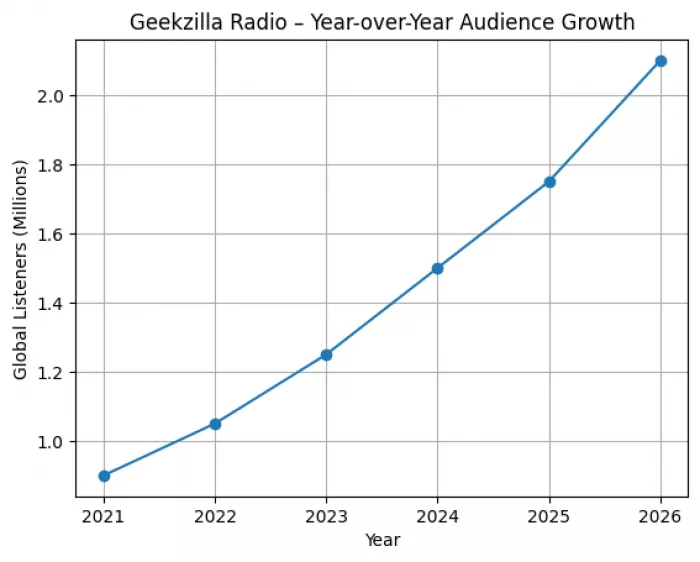
Despite its community-driven tone, Geekzilla Radio is not a small operation.
Reported platform indicators (2025–2026):
These numbers matter less as bragging points and more as signals of behavior. A 90-minute average session length suggests that users are not dropping in casually; they are staying through full discussions, debates, and live interactions.
Geekzilla Radio stands out largely because it refuses to narrow the definition of what “geek culture” means. Instead of anchoring itself to a single domain like technology or gaming, it treats curiosity itself as the common thread.
The platform operates on a simple assumption: people who care deeply about one subject often care deeply about others. Someone interested in AI might also care about science fiction narratives, electric vehicles, or the economics behind startups. Geekzilla Radio’s programming reflects that overlap rather than segmenting audiences into silos.
This approach explains why the content mix feels unusually broad, but not random.
Rather than rotating disconnected shows, Geekzilla Radio organizes its programming around recurring thematic pillars. Each program fits into a larger ecosystem where listeners can move laterally between interests without leaving the platform.
Below is a structured view of the major program categories and how they function in practice:
| Program Name | Primary Focus | How the Show Is Typically Used |
| Tech, Simplified | Technology & innovation | Breaking down AI, cybersecurity issues, emerging tools, and real-world tech impact |
| Business Pulse | Entrepreneurship & careers | Market shifts, startup realities, leadership decisions, and financial literacy |
| Governance Talks | Global policy & politics | Long-form debates, policy analysis, and guest-driven geopolitical discussions |
| Cinema Unwrapped | Film & storytelling | Narrative theory, director insights, and audience-led interpretation |
| Flavor Waves | Culinary culture | Cultural food history, practical cooking ideas, and listener contributions |
| Wheels in Motion | Automotive & mobility | EV adoption, industry trends, and transportation futures |
| Game Zone | Gaming & esports | Developer perspectives, competitive gaming, and retrospectives |
| Book Bytes | Literature & reading | Genre deep dives, author conversations, and thematic analysis |
What’s notable here is not just variety, but depth. These are not surface-level segments designed for quick consumption. Most shows assume prior interest and reward sustained listening.
Geekzilla Radio’s hosts are not interchangeable presenters. The platform relies heavily on subject-specific voices rather than generalized broadcasters.
A typical show might feature:
This mix creates conversations that feel closer to informed roundtables than scripted broadcasts.
Disagreement is common, and intentional. Hosts frequently challenge each other’s assumptions, correct points mid-discussion, and revisit earlier conclusions when new information surfaces. For listeners, this creates a sense that ideas are being worked through in real time rather than delivered as finished opinions.
Most platforms say they have “community.” Geekzilla Radio operationalizes it.
Listeners can:
The infrastructure supports adaptive bitrate streaming, which matters because live participation collapses if users are constantly buffering. The tech choices reinforce the platform’s priorities: stay live, stay accessible, stay interactive.
Usage patterns tend to cluster around intent rather than demographics.
Professionals use short daily segments for situational awareness (AI policy shifts, security incidents).
Founders and entrepreneurs tune in for long-form conversations about scaling, failure, and market cycles.
Hardcore fans stay for debates and speculative discussions that don’t fit mainstream formats.
Casual listeners often discover new interests through themed playlists or retro segments.
What unites these groups is tolerance for complexity. Geekzilla Radio assumes its audience doesn’t need concepts simplified or sanitized.
That philosophy is not universally friendly.
For newcomers:
There is little hand-holding. But for long-time listeners, that’s precisely the appeal. The platform prioritizes shared literacy over reach.
Geekzilla Radio’s model introduces real constraints:
These aren’t failures so much as structural consequences of refusing to over-polish the experience.
Geekzilla Radio succeeds because it doesn’t try to scale like mainstream media.
It grows by:
For users who want quick takes, summaries, or background noise, it will feel inefficient. For those who want to think out loud with other people who care about the same things, it fills a rare space in the digital media ecosystem.
Geekzilla Radio isn’t optimized for everyone, and that’s exactly why it works.

Let’s start with a small truth about storytelling: writing the first s...
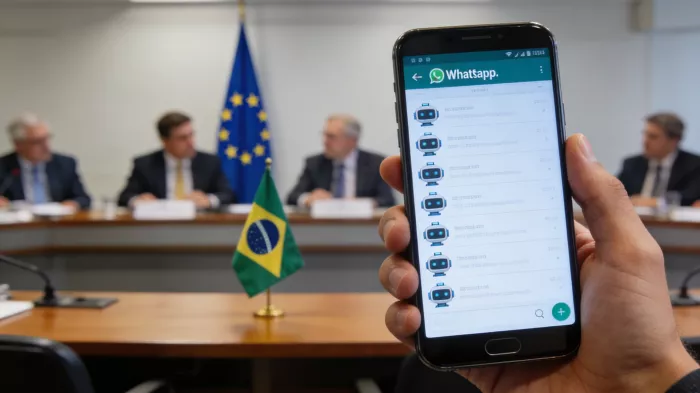
WhatsApp is preparing to allow third-party artificial intelligence cha...
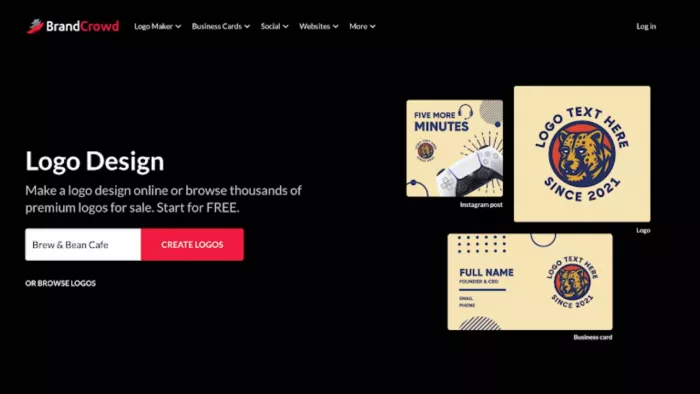
BrandCrowd built its name as a go-to logo tool for small business...
There is a specific kind of disappointment that comes from opening a b...
AI companion apps have moved well beyond novelty status. What started...
Let’s start with an uncomfortable truth. Most people want their photos...
Discussion