
Gening AI is an AI-powered automation and content intelligence tool designed to streamline digital workflows through smart task execution, data processing, and AI-assisted decision support. In simple terms, it helps users generate content, automate repetitive tasks, analyze inputs, and trigger actions across connected platforms using artificial intelligence. Instead of relying only on manual setup rules, Gening AI focuses on reducing effort through natural-language instructions and adaptive automation, making workflows faster, more responsive, and easier to manage.

Gening AI runs directly in the browser, and that immediate access is one of its biggest advantages. There is no mandatory signup at the start, which means you can begin exploring the tool within seconds. For users who often hesitate before starting a creative project, this frictionless entry makes the process feel lighter and more inviting.
As you explore the platform, it becomes clear that Gening AI is designed more for world-building than for simple chat-based conversations. It encourages users to create detailed environments, develop characters, define histories, and build relationships within their stories. This makes it especially attractive to writers working on long-form fiction, fantasy settings, or tabletop-inspired narrative projects.
The idea behind the platform is strong and creative. However, the overall experience can vary. The quality of results depends largely on how much detail you provide and how willing you are to adapt when small technical limitations appear. In short, the tool shows clear ambition, but it rewards patient and thoughtful users the most.
World-building is not treated as a side feature in Gening AI. It is the foundation of how the platform operates. Instead of centering everything around quick replies or casual roleplay exchanges, the system encourages users to construct structured environments before diving into scenes. The emphasis is on building the world first, then allowing stories to unfold inside it.
At its core, Gening AI approaches world-building as a layered process.
It begins with defining the environment. Users are prompted, directly or indirectly, to establish:
By anchoring the narrative in these elements, the AI has a clearer framework to generate consistent output.
Another defining aspect is character-driven construction. Rather than treating characters as interchangeable dialogue machines, Gening AI encourages detailed profiles. Strong outputs typically emerge when users define:
The AI then uses these anchors to shape dialogue and reactions more coherently. When properly structured, characters feel less reactive and more intentional.
Gening AI also leans into continuity. In longer sessions, it attempts to maintain internal logic across scenes. If a political system is introduced, later events usually reflect that system. If a character has a defined moral boundary, responses tend to stay aligned with it. While not flawless, this effort toward narrative consistency separates it from simpler chat tools that reset tone or personality too easily.
There is also an implicit expectation of user participation. Gening AI does not automatically generate a fully polished universe with minimal effort. It performs best when the user actively feeds it structured input. In that sense, it functions more like a collaborative drafting partner than an autonomous storyteller.
The overall approach can be summarized as:
For writers working on long-form fiction, fantasy universes, or tabletop-inspired campaigns, this structured orientation toward world-building is the platform’s strongest differentiator. It rewards intentional design and sustained development rather than quick prompts and instant gratification.

Gening AI uses a one time credit based system, which removes worries about automatic renewals. There are two paid tiers in addition to the free daily credits.
Free users receive 20 daily credits, enough for short experiments and light testing. This is helpful for anyone evaluating the tool before making a purchase.
The paid monthly and yearly plans provide more credits, skip queue benefits, and access to additional creative features. Prices range from 12.99 dollars for a single month to 3.99 dollars per month on a yearly plan when billed as one payment.
Whether the plans offer good value depends entirely on how often the user writes. Those who work on long running stories may appreciate the expanded limits. Others may find it difficult to justify the cost when the tool still carries notable quality issues.
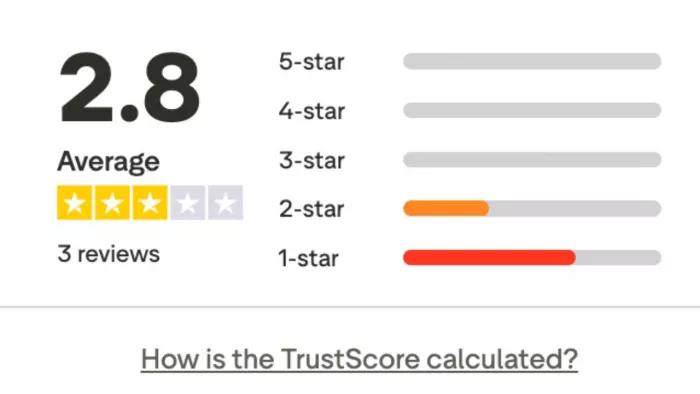
This is where the most significant concerns emerge. While some users enjoy the platform for brainstorming, Trustpilot reviews are overwhelmingly negative. The rating currently sits at 2.8 out of 5, with zero positive reviews out of the three submitted.
Here are the patterns that stand out:
Several users describe the chatbots as robotic, low quality, generic, or awkward. One reviewer states the writing feels unrealistic and often inappropriate. Another describes the chatbot behavior as unprofessional and unsettling.
Multiple reviews mention explicit conversations appearing too easily. One user expressed concern that these interactions are accessible without restrictions and may be inappropriate for younger users.
One reviewer reported losing an entire set of conversations the following day. Another mentioned ongoing glitches that interrupt the experience. These issues make Gening AI unreliable for long term creative work.
Some users feel the image generator performs better than the chat features, but even then, the quality is described as generic compared to other AI image tools.
The strongest criticism is that the platform oversells itself. Many users expected richer interactions and smoother performance. Instead, they encountered frequent bugs and limited chatbot capability.
These reviews do not invalidate the platform entirely, but they offer important context for anyone considering using it for serious storytelling.
As stories become longer and more complex, the platform may generate repeated lines, inconsistencies, or sudden shifts in tone and logic.
Handling large casts of characters or multi-layered plotlines can strain the system, leading to confusion or fragmented storytelling.
The platform’s image or visual outputs lack the detail, refinement, and consistency seen in leading AI image tools.
There are no clear options to manually organize, manage, or delete past conversations, which can be frustrating for users working on long-term projects.
Some sessions may not retain context reliably, making it harder to maintain continuity across extended creative work.
Gening AI does not currently offer a mobile application.
Users who prefer writing on phones or tablets must rely on the browser version, which may not always provide a smooth or optimized experience.
The platform sits in a crowded AI landscape, and comparisons depend on what the user needs.
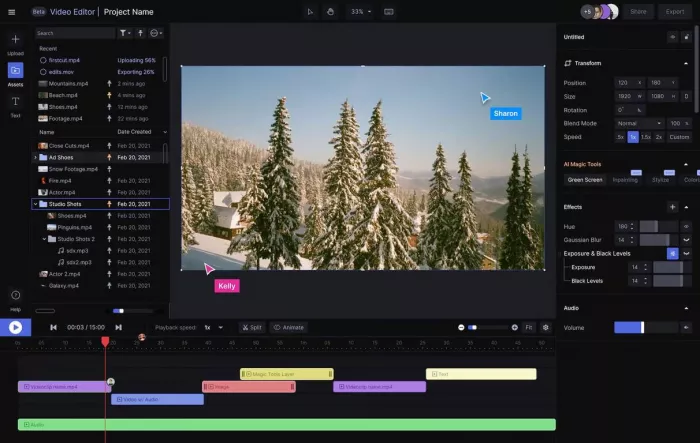
RunwayML and similar tools remain far stronger. Their output, stability, and refinement are significantly higher.

Apps like Replika or structured roleplay tools provide more consistent and moderated interaction. Gening AI does not appear to prioritize this.
This remains the area where Gening AI may appeal to certain users. If you enjoy experimenting with story frameworks and exploring fictional cultures, the platform offers a loose creative environment.
Instant browser access is a noticeable advantage. It lowers the barrier to starting a new idea.
Gening AI presents itself as a creative sandbox built around imagination, structure, and experimentation. Its strongest appeal lies in how easily users can enter the platform and begin shaping fictional worlds without friction. The browser-based access, credit system without automatic renewals, and emphasis on layered world-building make it attractive for curious writers who want to test ideas quickly.
At the same time, longer use reveals clear trade-offs. Stability issues, limited conversation management tools, inconsistent narrative continuity, and mixed user feedback create hesitation for anyone planning serious, long-term creative projects. The platform shows ambition, but ambition alone does not always translate into reliability.
For casual experimentation, brainstorming, or short-form narrative play, Gening AI can feel engaging and accessible. For structured, polished, and professionally managed storytelling, it may require patience and realistic expectations.
Ultimately, Gening AI is best approached as a creative draft partner rather than a fully refined storytelling engine. Those who understand its strengths and limitations will be better positioned to decide whether it fits into their creative process.
BrandCrowd built its name as a go-to logo tool for small business...

There is a specific kind of disappointment that comes from opening a b...
AI companion apps have moved well beyond novelty status. What started...
Let’s start with an uncomfortable truth. Most people want their photos...

The U.S. Commerce Department is considering a new set of export contro...

Amazon Web Services has introduced Amazon Connect Health, a new health...

Discussion