

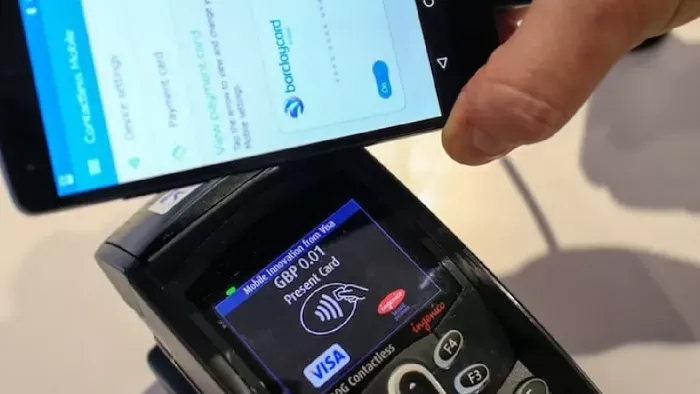
Nobody saw this coming. Back in 2007, the iPhone was basically a fancy iPod that could make calls. Now? That same pocket rectangle handles more financial transactions than most bank branches.
The weird part is how gradually it happened. Banking apps showed up first. Then payment apps. Then investment apps. Before anyone noticed, the phone became the center of most people's financial lives.
Here's a number that surprised me: 62% of Americans with bank accounts now handle their banking on phones or tablets. That's up from 58% just five years ago, and honestly, the remaining 38% probably just haven't updated their apps yet.
Chase, Bank of America, Wells Fargo: they've all figured out that customers would rather snap a photo of a check than drive somewhere and wait in line. Remote deposits, instant transfers, bill pay. The whole thing takes maybe 90 seconds.
But banking is really just the beginning. The phone has turned into something else entirely: an income source.
The gig economy lives on smartphones now. What started with Uber and DoorDash has expanded into dozens of ways to earn extra cash without leaving home. You can Discover top surveys that pay through apps that match users with companies willing to pay for opinions, app testing, and quick tasks.
The numbers back this up. Pew Research Center found that 16% of Americans have earned money through gig platforms. And for roughly 29% of those workers, we're not talking about coffee money. That income covers rent, groceries, the basics.
No commute. No fixed hours. Just pull out your phone when you've got free time.
Robinhood showed up in 2015 and basically broke the brokerage industry. Commission-free trades. A clean app interface. The ability to buy fractional shares for five bucks.
Half their users had never invested before. Median age: 30. These weren't finance bros or day traders. Just regular people who figured they'd give it a shot during their lunch break.
The big firms panicked. Charles Schwab dropped commissions to zero. So did E-Trade and TD Ameritrade. A free app on a phone forced billion-dollar companies to change their entire business model.
Acorns rounds up your purchases and invests the change. Stash lets you start with a dollar. The gatekeeping that kept normal people out of wealth-building? Mostly gone now.
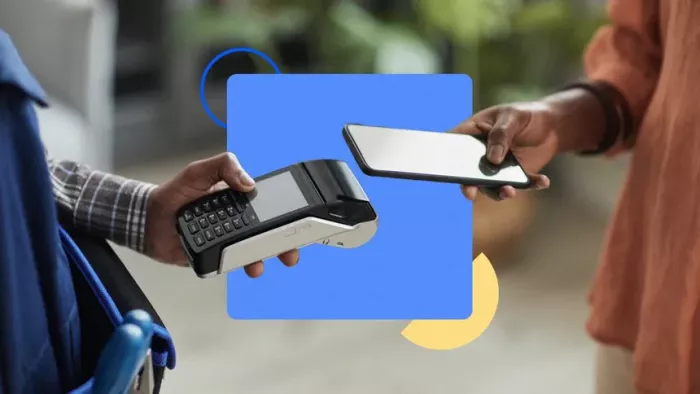
Apple Pay, Google Wallet, Samsung Pay. They've changed how money actually moves. A digital wallet keeps your payment info encrypted and lets you tap to pay at millions of stores worldwide.
People adopted it for convenience, but the security angle sold them on keeping it. Face ID and fingerprint scans make phone payments safer than handing your credit card to a stranger. About 88% of users said biometric features made them comfortable using mobile payments for bigger purchases.
Cross-border transfers got cheaper too. Wise and Remitly charge a fraction of what Western Union takes. That matters a lot for families sending money overseas.
Smartphones don't just move money. They watch it. Apps like Mint, YNAB, and Personal Capital connect to bank accounts and track every transaction automatically.
The Federal Reserve has studied how people use mobile financial tools for years. Their research shows these apps genuinely change spending behavior. People notice patterns they'd otherwise miss.
Budgeting used to mean spreadsheets and dedicated time. Now it just runs in the background while you live your life.
Buy now, pay later apps like Klarna and Afterpay are changing how people think about credit. AI assistants are starting to give personalized money advice based on actual spending data. Some banks are testing features that predict upcoming expenses based on your history.
And younger users? Gen Z is opening retirement accounts at 19. Millennials mostly didn't think about that stuff until their late twenties. The tools were there, but nobody made them feel accessible.
The phone started as a communication device. Somewhere along the way, it became the most accessible financial tool ever created. Fits in your pocket, works whenever you need it, doesn't judge your balance. That last part might be the most important shift of all.
Do your emails often get ignored and end up unopened in crowded inboxe...
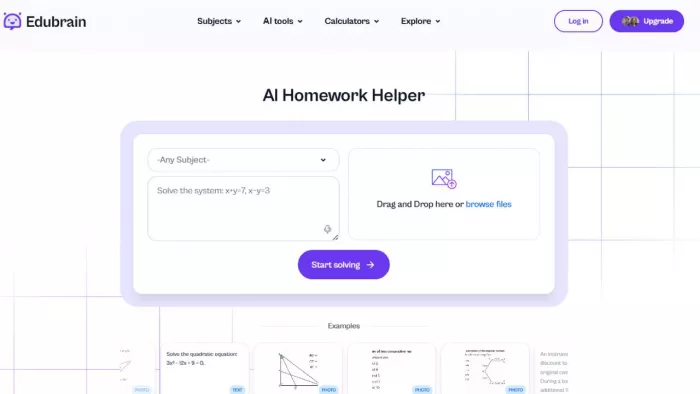
Homework used to take time. You had to go through books, notes, and di...
There is a very specific kind of confidence that comes from generating...
If AI could understand vibes, we wouldn’t be writing essays as prompts...
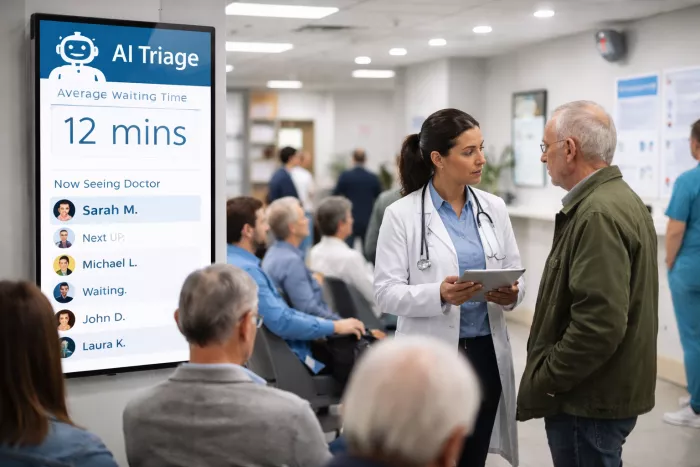
Hospitals are beginning to see measurable reductions in waiting times...
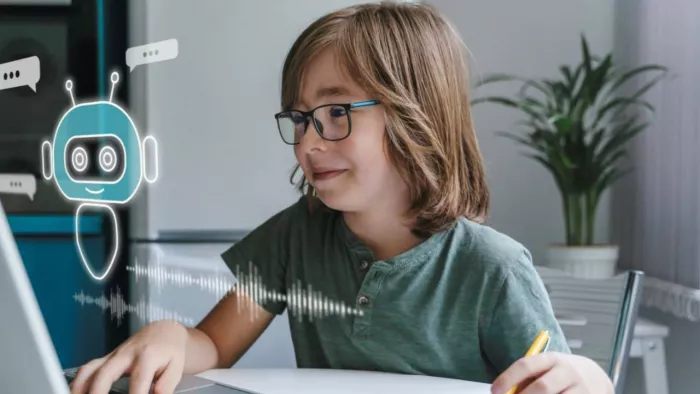
Artificial intelligence has quickly become part of everyday learning....
Discussion