


Most discussions around sites like Techehla.com start with “Is it legit?”
That’s actually the wrong starting point.
The more useful question is:
What kind of problems does this site introduce, intentionally or unintentionally, when people rely on it for tech guidance?
Once you frame it that way, the strengths and weaknesses become much clearer.
Techehla.com specializes in urgent, high-stress user scenarios:
The issue is not that the site covers these topics.
The issue is that urgent problems demand high accountability, and Techehla.com operates without any visible responsibility structure.
There is:
So when a solution fails, or causes a new problem, the reader absorbs 100% of the risk.
That’s the first structural issue.
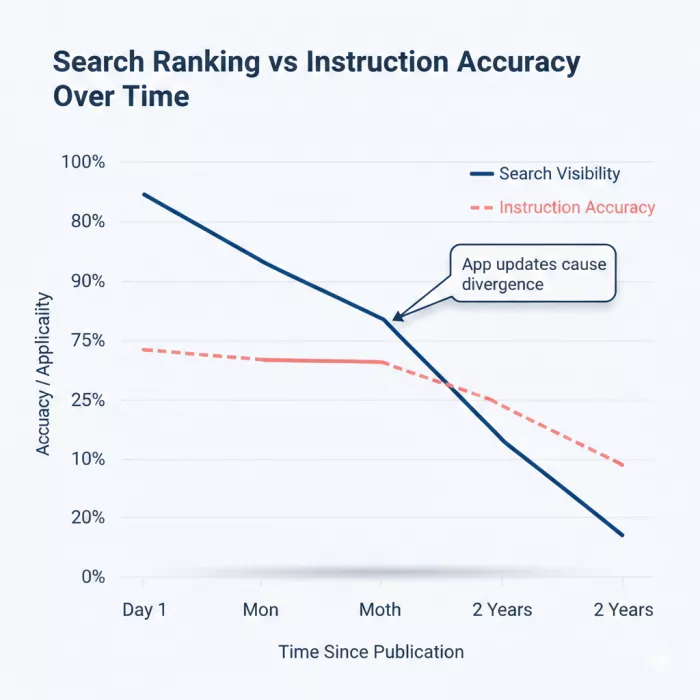
Techehla.com is heavily optimized for search intent, not for ongoing correctness.
This creates a subtle but important problem:
Apps like WhatsApp, Instagram, and Android change frequently.
Search-optimized fixes often become outdated silently.
Because Techehla.com:
Users can follow instructions that are technically incorrect today but still rank well.
This is one of the most common failure modes of niche tech blogs.
The writing on Techehla.com is approachable. That’s a strength.
But it also masks a deeper issue: authority is implied, not established.
You rarely see:
Instead, guidance is presented as “do this and it should work”.
For simple issues, that’s fine.
For account recovery, security settings, or device behavior, it can be misleading.
Readers may assume expertise where there is only observation.
Techehla.com is best described as a translator of user experience, not a validator of technical truth.
It takes:
and rewrites them into readable tutorials.
What it does not do consistently:
This means advice is often directionally helpful but not guaranteed.
The issue isn’t misinformation; it’s incomplete information presented as complete.
Techehla.com is ad-supported, which is normal.
But ads influence what gets written and how fast.
This leads to:
There is no strong incentive to say:
“This fix no longer works. Here’s why.”
That absence isn’t malicious, it’s structural.
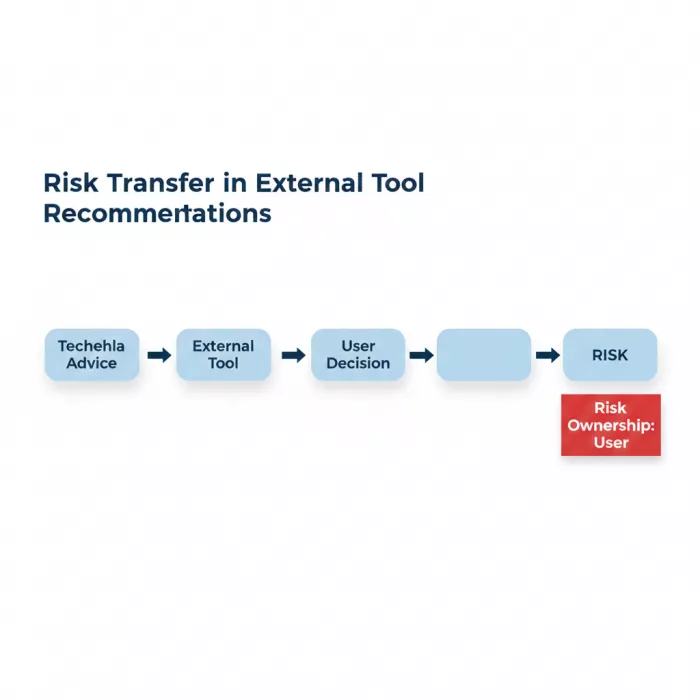
Some Techehla.com articles reference:
The site does not appear to:
This creates a trust handoff:
“Here’s what might help, what happens next is up to you.”
For informed readers, that’s manageable.
For casual users, it can be risky.
Techehla.com does not provide much information about:
This lack of transparency doesn’t break trust instantly, but it prevents trust from growing.
Readers have no way to evaluate:
Which again pushes responsibility back to the reader.
Here’s the important distinction:
Techehla.com is legitimate as a website.
It is limited as an authority.
Those two things are often confused.
The site:
But it also:
Understanding that boundary is essential.
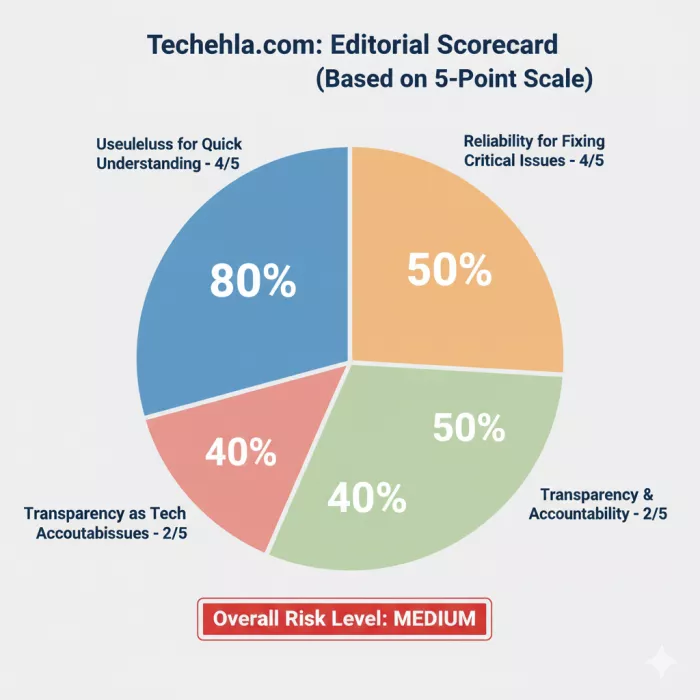
This scorecard reflects how I would personally treat the site, not how it markets itself.
Usefulness for Quick Understanding
Score: 4 / 5
Helpful for understanding what the issue is and what people usually try.
Reliability for Fixing Critical Issues
Score: 2.5 / 5
Acceptable for basic problems, unreliable for account recovery, security, or system-level changes.
Transparency & Accountability
Score: 2 / 5
No clear ownership, authorship, or editorial responsibility.
Authority as a Tech Source
Score: 2.5 / 5
Good translator of user problems, weak verifier of technical correctness.
Risk Level if Followed Blindly
Score: Medium
Low risk for general tips, higher risk when dealing with privacy, accounts, or downloads.
I wouldn’t avoid Techehla.com.
But I also wouldn’t trust it in isolation.
I would use it the way I use many niche tech blogs:
Then I would:
Techehla.com is not dangerous because it’s wrong.
It’s risky only when readers assume it’s authoritative.
Used with awareness, it’s helpful.
Used without verification, it can mislead.
WhatsApp is preparing to allow third-party artificial intelligence cha...

BrandCrowd built its name as a go-to logo tool for small business...

There is a specific kind of disappointment that comes from opening a b...

AI companion apps have moved well beyond novelty status. What started...
Let’s start with an uncomfortable truth. Most people want their photos...

The U.S. Commerce Department is considering a new set of export contro...
Discussion