

The name Jilo Viral continues to surface in searches related to free movies, no signup streaming, and HD films without payment. It usually appears the same way. A link shared on social media. A Reddit comment. A blog promising a shortcut around subscriptions.
People rarely arrive at Jilo Viral looking for trouble. They arrive because they are tired. Tired of fragmented catalogs. Tired of rising prices. Tired of juggling accounts just to watch one movie.
What many do not expect is how quickly that curiosity turns into discomfort. Popups. Redirects. Broken streams. Confusing domain changes. At that point, the question stops being whether Jilo Viral works and starts being why so many users eventually look for something else.
This article focuses on that shift. Not on judging intent, but on understanding why Jilo Viral alternatives now draw more attention than the platform itself.
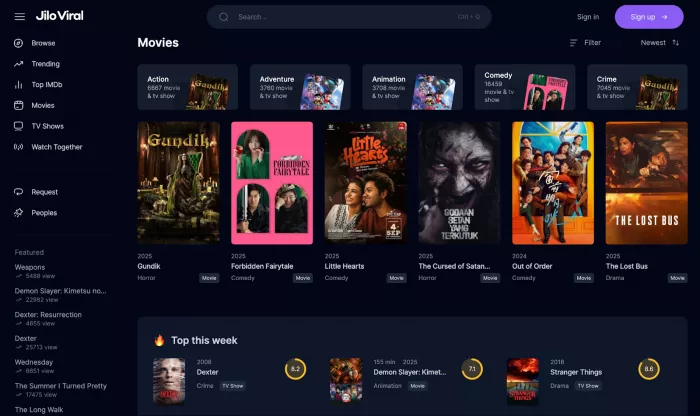
Jilo Viral presents itself as simple. Click. Play. Watch. No login. No payment. That promise is the entire appeal.
The reality is less clean.
Most versions of Jilo Viral operate as unlicensed aggregators, pulling video players from unknown third party servers. The result is an experience defined by uncertainty. Streams disappear. Domains change. Ads behave unpredictably. There is no stable identity behind the service, which means there is no accountability when something goes wrong.
For many users, the breaking point is not legality in the abstract. It is practical friction.
Pages that redirect multiple times before playback starts. Fake play buttons. Browser warnings. Links that suddenly stop working halfway through a series. Over time, even users who originally accepted the risks begin to look for options that feel less hostile to use.
That is where alternatives come in.
When users abandon sites like Jilo Viral, they are not necessarily looking for luxury or exclusivity. They are looking for predictability.
They want to know that a movie will play when they press play. That their device will not be flooded with popups. That a link will still exist tomorrow. That they are not handing their browsing data to unknown operators.
The alternatives gaining traction tend to share one quality. They replace informal access with structured delivery.
The most common replacements for Jilo Viral are ad supported streaming platforms that operate openly and legally. These services do not promise the latest theatrical releases, but they offer something Jilo Viral cannot. Stability.
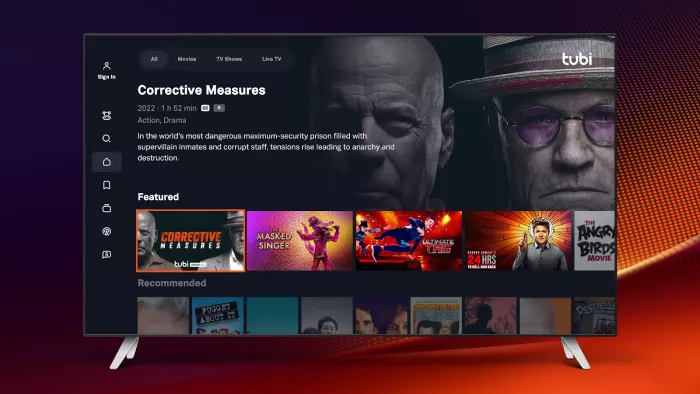
Tubi is one of the most frequent destinations. Owned by a major media company, it offers a large catalog of older films, TV series, and documentaries. Ads are present, but they are predictable and contained. For many users, that tradeoff feels reasonable.
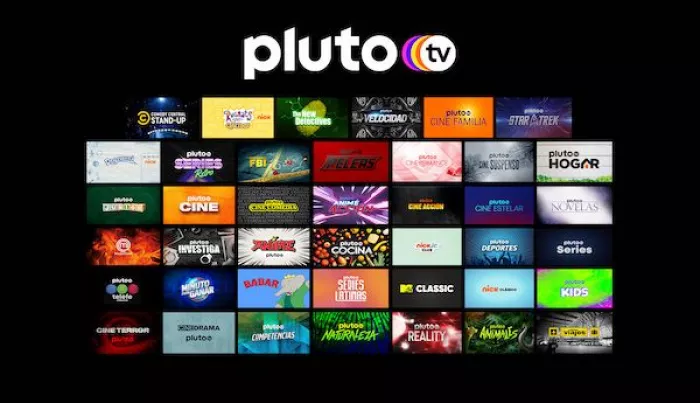
Pluto TV attracts viewers who want a live TV style experience. Instead of browsing endless pirate libraries, users flip through channels. The content is licensed, the streams are stable, and the interface behaves consistently across devices.
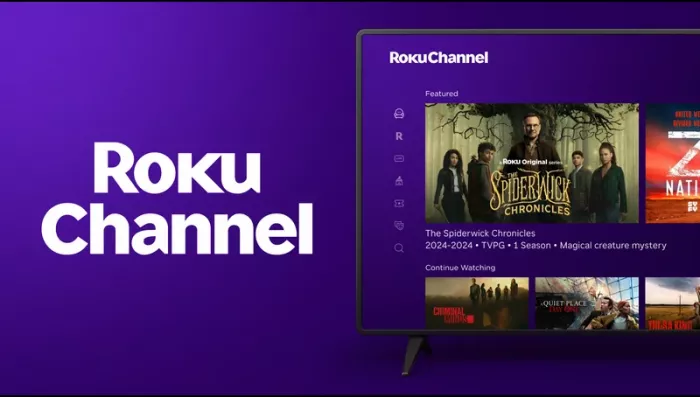
The Roku Channel fills a similar role. It is accessible without payment, works reliably on multiple platforms, and does not disguise ads as buttons.
These platforms do not feel exciting. That is precisely why people trust them.
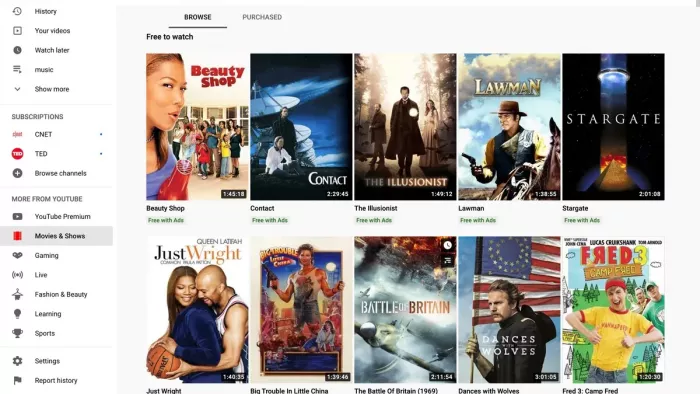
Another common destination is YouTube’s free movies section. Many users overlook it because it does not market itself aggressively.
Studios upload licensed films directly. Ads are clearly marked. Playback works across devices without hacks or extensions.
For users leaving Jilo Viral, YouTube offers something underrated. Familiarity. There is no learning curve. No surprise behavior. No hidden layers.
In some regions, viewers move toward local free platforms tied to telecom providers or broadcasters. Services like JioCinema in India or similar regional apps offer authorized content libraries supported by ads or partnerships.
These platforms succeed not because they mirror pirate sites, but because they remove the sense of risk. Users know who operates them. Support exists. Apps update normally. That baseline trust matters more than unlimited choice.
Some users do not replace Jilo Viral with another free site at all. They change how they pay.
Instead of subscribing to multiple platforms at once, they rotate. One month for one service. Cancel. Move to another.
Ad supported tiers of major platforms now cost less than a single rental used to. For viewers who only want access occasionally, paying less than expected feels better than navigating unstable pirate sites.
Others choose digital rentals. One movie. One payment. No commitment. For users who only want a specific title, this becomes a practical compromise.
Jilo Viral did not lose relevance because people stopped wanting free content. It lost relevance because the cost of using it became visible.
Unstable domains signal impermanence. Aggressive ads signal indifference to users. Lack of transparency signals risk.
Meanwhile, legal alternatives improved quietly. They did not promise everything. They just worked.
That difference reshaped behavior.
Over time, many viewers develop instincts.
They avoid sites that constantly change URLs. They distrust claims of brand new movies in perfect quality. They leave pages that flood the screen with fake buttons. They look for platforms with visible ownership and clear policies.
The learning curve is often uncomfortable, but it sticks.
Jilo Viral represents a moment. A shortcut culture driven by frustration with subscriptions and access limits.
The alternatives replacing it represent something else. Fatigue with risk.
Most viewers do not want to feel like they are gambling every time they press play. They want content to behave like a service, not a trap.
That is why the conversation has shifted. Not toward better piracy, but toward boring, reliable platforms that respect the user experience.
In the long run, predictability outperforms novelty. That is why Jilo Viral keeps being searched, but its alternatives keep being used.

Let’s start with a small truth about storytelling: writing the first s...

WhatsApp is preparing to allow third-party artificial intelligence cha...
BrandCrowd built its name as a go-to logo tool for small business...

There is a specific kind of disappointment that comes from opening a b...
AI companion apps have moved well beyond novelty status. What started...
Let’s start with an uncomfortable truth. Most people want their photos...
Discussion