

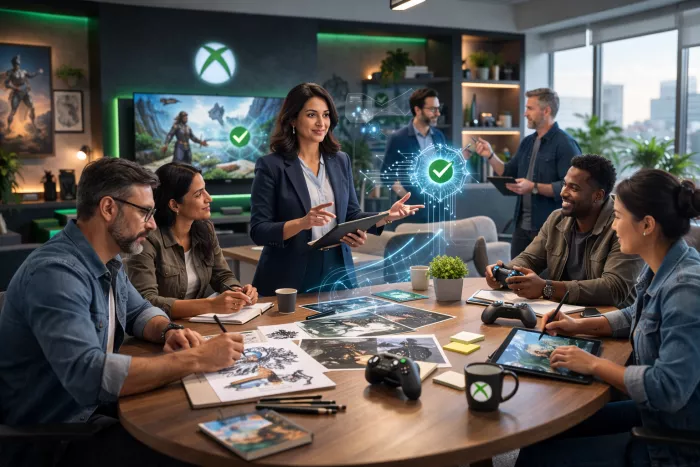
Microsoft has appointed former CoreAI executive Asha Sharma to lead its Xbox and broader gaming division, replacing longtime gaming head Phil Spencer in what marks one of the biggest leadership resets in the company’s gaming business in years.
The move signals a deeper integration between Microsoft’s artificial intelligence strategy and its gaming roadmap, while Sharma is simultaneously attempting to calm industry fears about AI overwhelming game quality.
Microsoft confirmed that Phil Spencer, CEO of Microsoft Gaming, and Xbox President Sarah Bond are both exiting their roles. Taking the helm is Asha Sharma, who most recently led Microsoft’s CoreAI products and previously held senior positions at Instacart and Meta.
The appointment is widely seen as a strategic pivot. By placing an AI-focused executive in charge of Xbox, Microsoft is clearly tightening the link between its gaming ambitions and its broader AI push.
However, Sharma’s early messaging suggests the company is aware of growing backlash from players and developers over generative AI in games.
In an internal memo first reported by The Verge, Sharma outlined what she described as three core commitments for Xbox’s future. The most widely quoted line addresses fears about low-quality AI content.
She said the company will not chase short-term efficiency gains by flooding the Xbox ecosystem with what she called “soulless AI slop.” According to the memo, games will remain human-crafted works of art, even as new technology continues to evolve.
Sharma also emphasized that she has little tolerance for poorly implemented AI and wants the technology used to enhance development rather than replace creative teams.
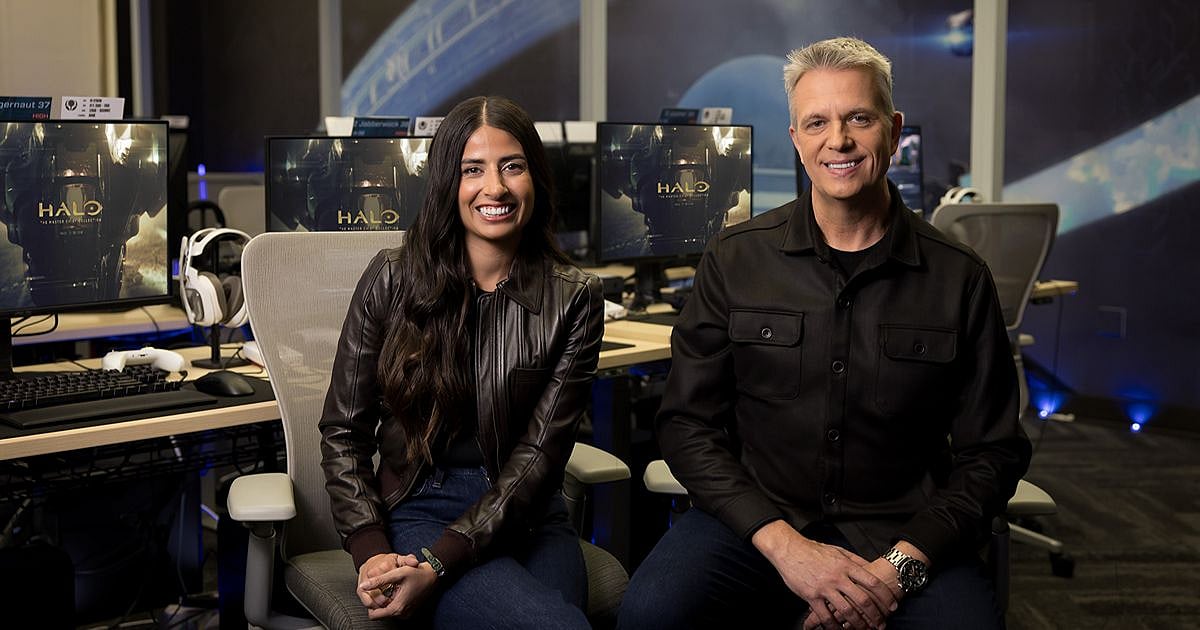
The new Xbox chief appears to be positioning Microsoft on a middle path. Rather than rejecting AI outright, the company plans to use it as a behind-the-scenes accelerator.
Expected focus areas include:
The message is clear: AI should make games better and development smoother, but not become a shortcut for mass-producing low-effort titles.
Sharma also reiterated Microsoft’s commitment to delivering more player-loved games and continuing investment in next-generation Xbox hardware.
Microsoft’s careful tone comes after several high-profile AI experiments in gaming.
The company has previously showcased an AI gaming companion concept and released an AI-generated Quake II level that drew mixed reactions and became a flashpoint in debates about automated content in games.
Across the industry, publishers are exploring generative NPC dialogue, AI quest systems, and player-facing assistants. At the same time, developers and players have raised concerns that unchecked AI adoption could lead to stores flooded with low-quality content.
Sharma’s messaging appears designed to directly address those concerns.
Early reaction from gaming media and community channels suggests Sharma’s comments are being taken seriously, though with some skepticism.
Analysts broadly interpret the strategy as:
In other words, this is not an AI retreat. It is a positioning move.
Microsoft’s gaming division is entering a new phase where AI will likely play a growing role across development, player experience, and platform services.
The leadership change indicates Microsoft believes AI expertise must sit at the very top of its gaming strategy. At the same time, Sharma’s strong language shows the company understands the cultural sensitivity around creativity in games.
The real test will come over the next few years. If Microsoft can use AI to meaningfully improve development and gameplay without diluting artistic quality, the strategy could strengthen Xbox’s position.
If not, the industry’s fears about automated, low-effort game content will only grow louder.
For now, Microsoft is clearly trying to thread the needle: AI everywhere behind the scenes, but human creativity firmly in the spotlight.

Let’s start with a small truth about storytelling: writing the first s...
WhatsApp is preparing to allow third-party artificial intelligence cha...

BrandCrowd built its name as a go-to logo tool for small business...

There is a specific kind of disappointment that comes from opening a b...

AI companion apps have moved well beyond novelty status. What started...

Let’s start with an uncomfortable truth. Most people want their photos...
Discussion