

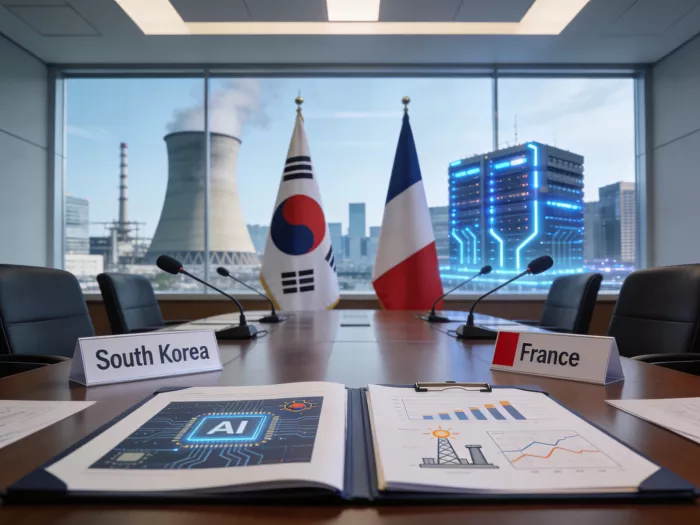
South Korean President Lee Jae-myung has called for a deeper strategic relationship with France focused on artificial intelligence and nuclear energy, aligning the proposal with French President Emmanuel Macron’s state visit to Seoul on April 2–3, 2026.
In remarks released ahead of the visit through a written interview with Le Figaro, Lee positioned AI and nuclear power as “key to innovation,” arguing that cooperation between the two countries should move beyond traditional economic ties toward a more integrated, technology-driven alliance.
The comments, distributed via international outlets, were timed deliberately to coincide with Macron’s arrival, underscoring Seoul’s intent to elevate the visit from routine diplomacy to a forward-looking strategic discussion.
Macron’s two-day visit comes with a packed agenda centered on trade, investment, and collaboration in emerging technologies. Officials on both sides have indicated that discussions will extend beyond AI and nuclear energy to include quantum computing, space, and advanced industrial systems.
France enters the talks with a clear positioning. It has been actively promoting nuclear energy as a foundation for powering next-generation AI infrastructure, particularly data centers that require stable, large-scale electricity. Macron has repeatedly framed nuclear capacity as a competitive advantage in Europe’s race to attract AI investment.
South Korea, meanwhile, brings complementary strengths. Its nuclear sector, led by Korea Hydro & Nuclear Power (KHNP), has established itself as a global exporter of reactor technology. At the same time, the country’s semiconductor giants and tech firms continue to expand investments in AI chips and digital infrastructure.
The pairing of AI and nuclear energy reflects a growing reality in global technology strategy. AI systems are becoming increasingly energy-intensive, with large-scale models and data centers driving unprecedented demand for reliable power.
For France, nuclear energy offers a low-carbon solution to this challenge. Its existing reactor fleet provides a stable energy base that can support expansion in AI computing capacity without the volatility associated with fossil fuels.
South Korea’s interest lies in both sides of the equation. It is advancing its own AI capabilities while simultaneously seeking new international markets for its nuclear technology. By linking the two sectors, Seoul is effectively proposing a mutually reinforcing model.
In practical terms, this could translate into Korean-built reactors supporting French AI infrastructure, while joint research initiatives strengthen capabilities in machine learning, data systems, and regulatory frameworks.
Lee’s framing of the relationship as moving “beyond partnership” signals a broader ambition. Rather than focusing solely on bilateral trade or investment flows, the proposal emphasizes long-term coordination in critical technologies.
This shift reflects a wider trend among advanced economies. As geopolitical competition increasingly centers on technological leadership, partnerships are being redefined around shared capabilities in areas such as AI, energy security, and digital infrastructure.
For both countries, closer alignment could also provide strategic resilience. France gains access to a proven nuclear technology partner, while South Korea strengthens its foothold in Europe’s evolving AI ecosystem.

Attention now turns to what tangible outcomes may emerge from the visit.
Officials and analysts are watching for announcements that go beyond high-level statements. Potential areas of cooperation include joint nuclear projects, particularly small modular reactors, as well as partnerships in AI research and development.
Data center investment is another key area. France’s nuclear-powered energy grid could make it an attractive destination for AI infrastructure, while South Korean firms bring expertise in hardware and semiconductor production.
Agreements on standards and governance may also be on the table. As AI regulation becomes a global priority, collaboration between technologically advanced nations could shape emerging frameworks.
The next 24 to 48 hours will be critical in determining whether the rhetoric of “strategic collaboration” translates into concrete initiatives.
A joint statement from the two leaders is expected, potentially outlining new working groups or pilot projects. Industry announcements, if any, will provide a clearer indication of how quickly the partnership can move from concept to execution.
Even without immediate deals, the direction is becoming clear. AI and energy are no longer separate policy domains. They are increasingly intertwined, and countries that can align strengths in both areas are positioning themselves for long-term advantage.
Lee’s proposal reflects a broader shift in how nations approach technological cooperation.
Artificial intelligence is no longer just a software challenge. It is an infrastructure problem, tied closely to energy systems, supply chains, and industrial capacity. Nuclear power, once seen primarily as an energy issue, is now being reframed as a critical enabler of digital economies.
By linking these two domains, South Korea and France are signaling an understanding of this convergence.
Whether that understanding results in lasting collaboration will depend on execution. But the intent alone highlights how global alliances are being reshaped around the demands of the AI era.
Every meeting produces information that matters. Decisions get made, a...
AI note takers are tools designed to automatically capture what happen...
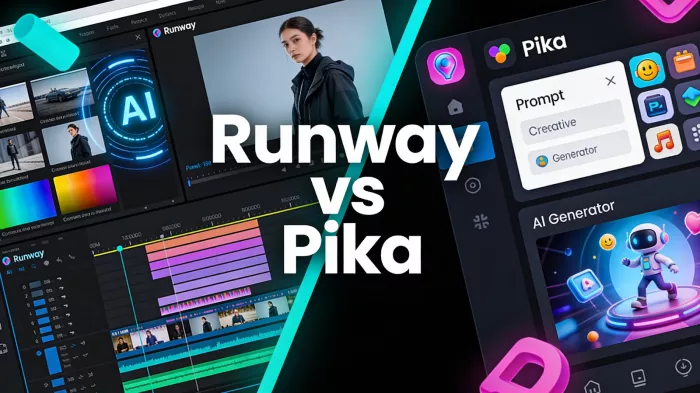
Most people meet Runway and Pika through short clips on social media....
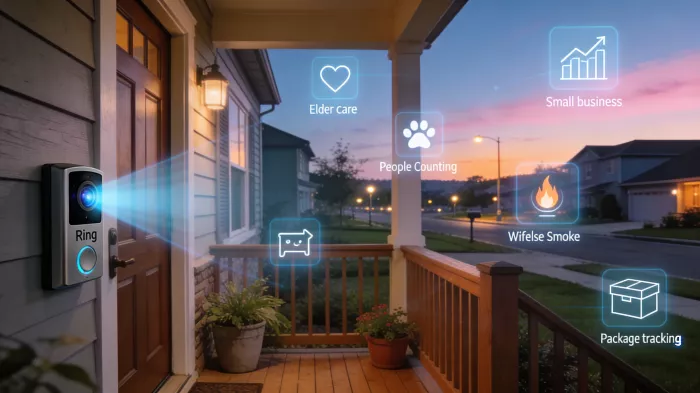
Amazon-owned Ring is taking a major step beyond its roots in home secu...
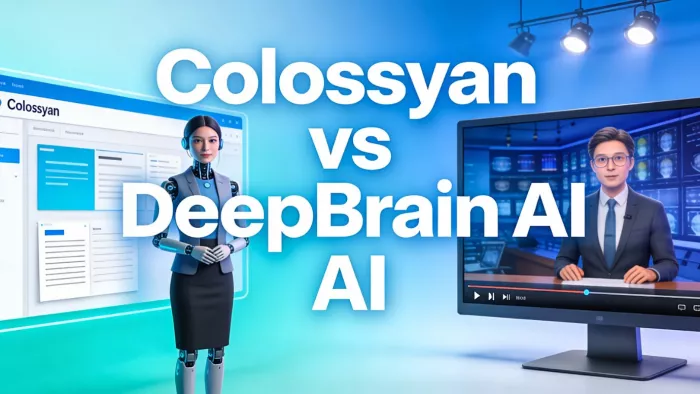
AI avatar video tools are easy to get excited about.Type a script, pic...

Healthcare professionals are under constant pressure. Between patient...
Discussion