


Imagine this: it’s Monday morning, coffee in hand, and your phone buzzes. A friendly notification pops up “Your weekend video is ready!” You never opened your editing app, never trimmed a clip, never even picked a soundtrack. Yet there it is, a perfect two-minute montage of your Saturday hike, Sunday brunch, and late-night laughter, all arranged in cinematic sequence.
What happens when AI becomes your filmmaker?

Not long ago, editing your own clips was part of the ritual, choosing moments, reliving memories, deciding what mattered. It was messy but meaningful. Now, artificial intelligence sifts through hours of footage in seconds, identifying smiles, color tones, and background music that match your “mood profile.” It decides for you what’s worth remembering.
Instead of raw footage filled with shaky laughs and awkward pauses, you get a polished highlight reel of your life, but filtered through algorithmic taste.
There’s convenience, of course. The AI never gets tired, never runs out of patience. It can sync your laughter to the beat, match the sunset hue to the tempo, and even detect your emotions and cut accordingly. It becomes a silent collaborator or maybe a subtle director.
But with machines framing your memories, what does that do to the way you remember? When the AI decides which smile to linger on, whose voice to fade in last, is it still your story or a version optimized for engagement?
AI video editing isn’t just a tool. It’s a trade-off between speed and soul. When the process becomes seamless, effortless, maybe even invisible, we gain time but lose touch with imperfection.
That trembling moment when you almost drop the camera, the laughter that peaks offbeat, those pieces of realness are what editing used to preserve, not polish away. As AI learns “what looks good,” will it forget what feels real?
Perhaps this isn’t the end of editing, but the start of a new relationship with creativity. Instead of cutting videos, you might coach your AI to teach it what memories matter to you. Tell it to keep your friends’ goofy faces or the uneven lighting of a sunset. Maybe the new art will be in training your digital storyteller to see as you do.
Because one thing’s certain: when AI starts editing your weekend videos, it’s not just making content. It’s deciding how your memories live on.

Let’s start with a small truth about storytelling: writing the first s...
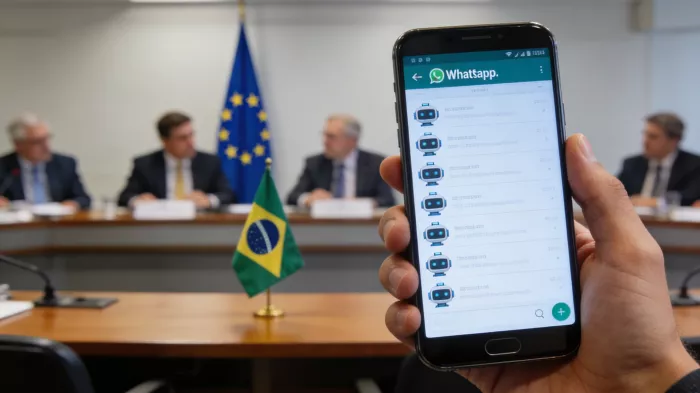
WhatsApp is preparing to allow third-party artificial intelligence cha...

BrandCrowd built its name as a go-to logo tool for small business...

There is a specific kind of disappointment that comes from opening a b...
AI companion apps have moved well beyond novelty status. What started...
Let’s start with an uncomfortable truth. Most people want their photos...
Discussion