

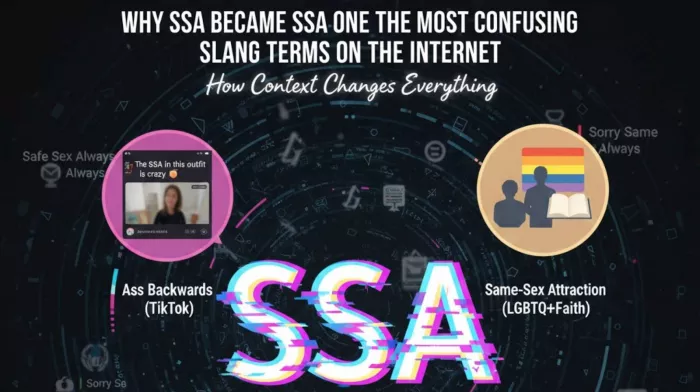
There are slang terms that enter the internet quietly, and then there are terms like SSA that explode into dozens of meanings depending on which platform you’re standing on. The funny part? Almost nobody who encounters the term for the first time guesses the right meaning.
SSA is one of those abbreviations that lives multiple lives at once. It shows up in TikTok thirst traps, in private Snapchat jokes, in LGBTQ+ conversations, in emails, in gaming chats, even in faith-based forums. And somehow all those communities are using the same three letters to talk about completely different things.
The result is a slang term that’s not just ambiguous, it’s an entire ecosystem of meanings that reveal how the internet bends language to fit its needs.
Let’s unpack what SSA really means, why it evolved this way, and how context changes everything.
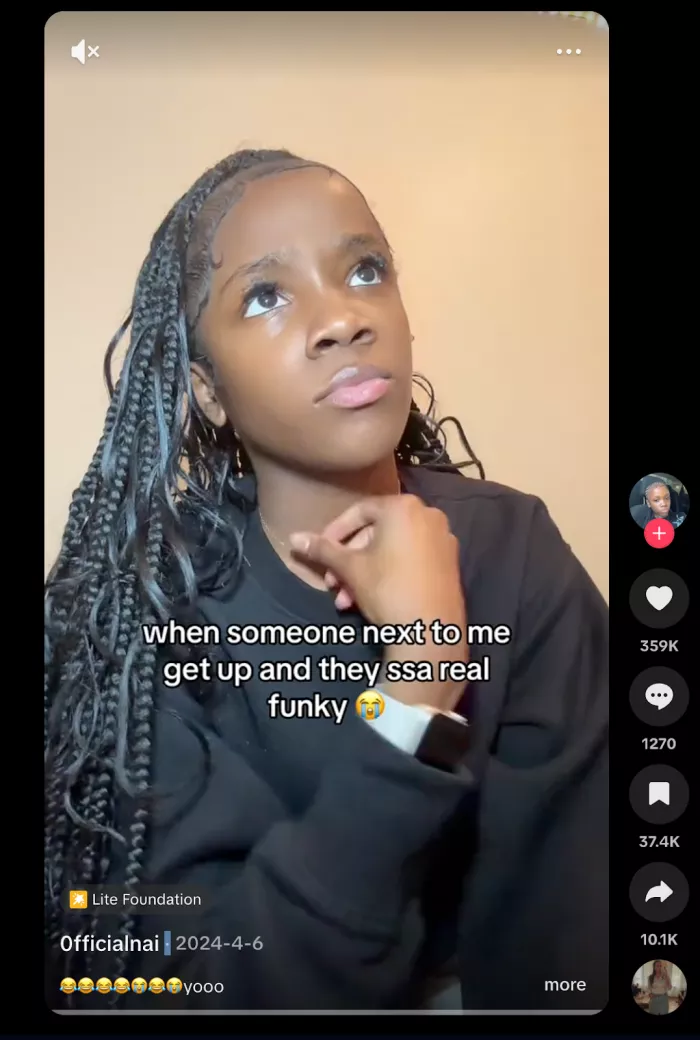
If you search SSA on TikTok, one meaning rises far above the rest:
“ass” spelled backwards.
That’s it. That’s the joke.
It appears in captions like:
● “The SSA in this outfit is crazy”
● “Didn’t expect her SSA to be front and center in this video”
On the surface, it looks ridiculous — reversing a three-letter word isn’t exactly cryptography. But the reversal solves a real problem: platform filters.
TikTok’s algorithm is quick to shadowban or suppress posts with explicit words. So creators, especially younger ones, flip the word to keep the tone flirty but stay under the radar. SSA becomes a kind of wink-without-saying-it vocabulary.
In other words, SSA belongs to a family of “internet-safe profanity,” where spelling tricks help dodge automated moderation. And like most Gen Z slang, it's half functional, half ironic.
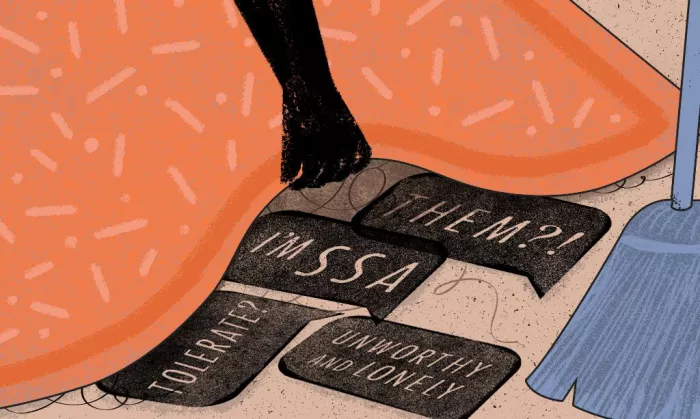
Travel even a few feet away from TikTok and SSA turns into something far more serious:
Same-Sex Attraction.
This usage has roots well before TikTok — especially in conservative or religious spaces where people wanted to describe attraction without using identity labels like gay or queer. In those environments, “SSA” functions as a clinical term, often used in discussions about identity, faith, or personal exploration.
In modern internet culture, some people use it sincerely, some reclaim it ironically, and others critique its history. But it remains a distinct meaning, and one that has nothing to do with TikTok’s backward spelling joke.
This dual existence — one slangy, one sociocultural — is precisely why SSA confuses so many people.
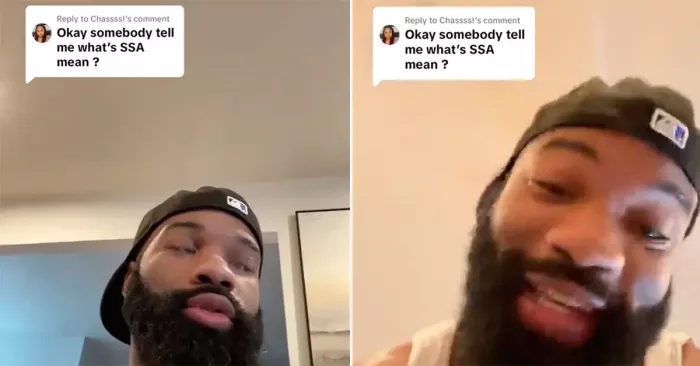
There’s also a whole category of meanings that belong to texting culture rather than meme culture.
One of the most common is:
Subject Says All
Used when your email subject line is the message.
Example:
Subject: Running 5 minutes late
Body: (empty)
SSA.
It’s functional, efficient, borderline corporate — and it creates yet another identity for SSA that has nothing to do with sexuality or reversed anatomy jokes.
Depending on who you talk to, SSA also shows up as:
● Safe Sex Always (health educators and sex-positive communities)
● Sorry So Annoying (self-deprecating texting shorthand)
● Same Same Always (complaining about repetitive situations)
These aren’t internet-wide trends, but they appear enough to matter, and they highlight something interesting:
SSA is one of those abbreviations the internet keeps reusing because it’s short, flexible, and sounds like it should stand for something.
Most slang terms eventually settle into one dominant definition. SSA didn’t. And the reason is simple:
It grew up in multiple online environments at once.
● TikTok adopted it for playful, lightly explicit humor.
● LGBTQ+ communities inherited an older terminology.
● Email culture shaped its professional meaning.
● Health and gaming circles created niche side uses.
Each of these communities has its own language logic, so SSA evolved in parallel instead of competing.
This is how modern slang spreads now — not linearly, but branching across microcultures that rarely interact with one another. The fragmentation isn’t a bug; it’s the design of the 2025 internet.
There’s no universal meaning. You decode SSA the same way you decode every layered internet slang term:
Treat context like the algorithm.
Ask:
● Is this a TikTok caption? → probably ass backwards
● Is this a religious or identity discussion? → likely same-sex attraction
● Is this email or work chat? → might be subject says all
● Is it about health? → possibly safe sex always
● Is it a friend apologizing? → maybe sorry so annoying
Once you know which digital environment you’re in, the meaning becomes obvious — but without that, SSA will look like chaotic alphabet soup.
SSA’s popularity says a lot about where the digital language is headed.
On the upside:
It makes communication flexible and playful. It lets users signal identity subtly. It helps people avoid moderation without resorting to obvious profanity.
On the downside:
It can enable body-shaming under the guise of jokes.
It can cause confusion in LGBTQ+ conversations where terminology already carries emotional weight.
And it shows how easily messages can get misinterpreted across platforms.
This is the deal with modern slang: the same acronym can be funny, clinical, ironic, or risky depending entirely on who typed it.
Most slang tied to algorithm evasion is temporary. Once filters adapt, the slang evaporates. Once a generation moves on, the joke loses its spark. SSA will eventually fade or morph into something else — but for now, it’s a perfect example of how language thrives in the age of platform culture.
It’s short, adaptable, slightly chaotic, and perfectly suited for the meme-fueled environment it grew up in.
SSA isn’t a single meaning. It’s a collision of meanings — a product of an online world where one abbreviation can be silly in one corner, serious in another, and professional in a third.
If anything, SSA shows how fragmented digital culture has become. But it also shows the creativity of online communities, each bending language to their own needs, inside jokes, and identities.
Let’s start with a small truth about storytelling: writing the first s...
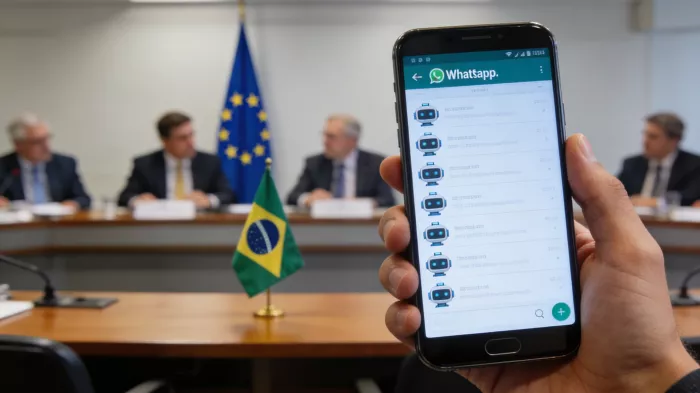
WhatsApp is preparing to allow third-party artificial intelligence cha...
BrandCrowd built its name as a go-to logo tool for small business...
There is a specific kind of disappointment that comes from opening a b...
AI companion apps have moved well beyond novelty status. What started...
Let’s start with an uncomfortable truth. Most people want their photos...
Discussion