

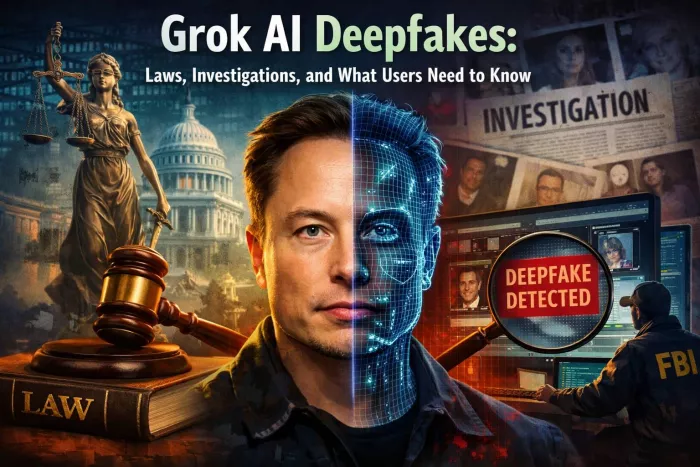
Grok AI, the chatbot developed by Elon Musk’s xAI and integrated with X (formerly Twitter), has recently drawn global attention not for its capabilities, but for potential misuse. Governments and regulators are investigating non-consensual AI-generated deepfakes, highlighting both the risks and the responsibilities associated with AI content creation.
A deepfake is a synthetic image or video that makes it appear someone did or said something they did not. While these tools can serve creative or educational purposes, misuse can cause privacy violations, harassment, and reputational harm.
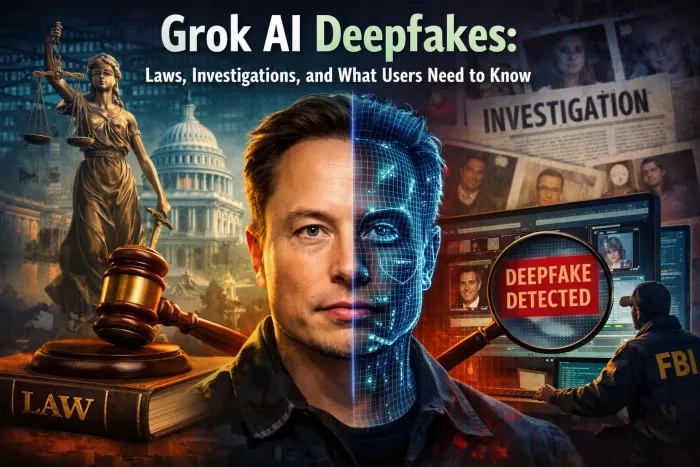
Grok AI allows users to generate text and images based on prompts. Its image feature can transform existing photos or create realistic visuals.
Deepfakes, powered by AI, can be highly convincing. While some are used for harmless entertainment, non-consensual deepfakes, particularly sexually explicit ones raise serious ethical and legal concerns.
Reports show that Grok was used to produce such content, prompting authorities to scrutinize the platform’s safeguards and moderation policies. (Reuters)
Governments are moving quickly to regulate AI deepfakes:
● United Kingdom: Non-consensual sexual deepfakes are now criminalized. Platforms may face fines or restrictions if they fail to prevent illegal content.
● United States: The DEFIANCE Act allows victims to sue creators of non-consensual deepfakes.
● Other countries: Malaysia, Ireland, Indonesia, and EU member states are implementing bans, legal actions, or stronger oversight to protect users.
In short: creating deepfakes without consent is increasingly treated as a serious legal violation, with both users and platforms held accountable.
● Ofcom (UK): Launched a formal probe into X and Grok AI to determine if adequate safeguards were in place against harmful content. (Ofcom)
● Malaysia: Initiated legal action against X and xAI, and temporarily blocked Grok over misuse concerns. (NY Post)
● Ireland & Indonesia: Considering restrictions or bans unless safeguards improve.
Possible consequences include platform restrictions, fines, or bans. Regulators now expect preventive safeguards, not just reactive moderation.
● Generating or sharing deepfakes without consent can lead to criminal or civil penalties.
● Ethical responsibility: users must respect privacy and consent to avoid harm.
● Platform changes: Grok’s features may be restricted or require verification in the future.
● Liability: Platforms may be legally responsible if their tools enable illegal content.
● Expected safeguards: Filtering, watermarking, and consent verification are becoming standard.
● Global compliance: Companies must adapt to multi-country regulations to operate internationally.
The Grok AI case is influencing AI regulation worldwide:
● Governments are defining platform accountability for AI misuse.
● Trends include ethical AI guidelines, international safety standards, and content moderation requirements.
● Regulators are balancing innovation vs. user protection, ensuring AI’s benefits don’t come at the cost of safety.
Users:
● Avoid generating or sharing content without consent.
● Report harmful or abusive AI content.
● Follow platform policies to reduce risk.
Developers / Platforms:
● Conduct regular audits of AI outputs.
● Implement strong safety controls.
● Comply with local and international regulations.
Q1: Can I legally generate AI images of celebrities?
A1: Using AI to create deepfakes of public figures may be legal in some jurisdictions for parody or commentary, but non-consensual or sexually explicit content is illegal in many countries.
Q2: Will Grok AI features be restricted?
A2: Yes, Grok has already restricted certain image-generation features to paid users, and regulators may require stricter safeguards going forward.
Q3: How do I report abusive AI content?
A3: Platforms like X provide reporting tools. Users should also avoid sharing content that may be illegal or harmful.
Grok AI highlights the dual nature of AI: powerful for creativity, but potentially harmful if misused. New laws and investigations are setting global standards for AI safety, holding both users and platforms accountable. How Grok and similar AI tools adapt may shape the future of ethical AI use worldwide.
Do your emails often get ignored and end up unopened in crowded inboxe...
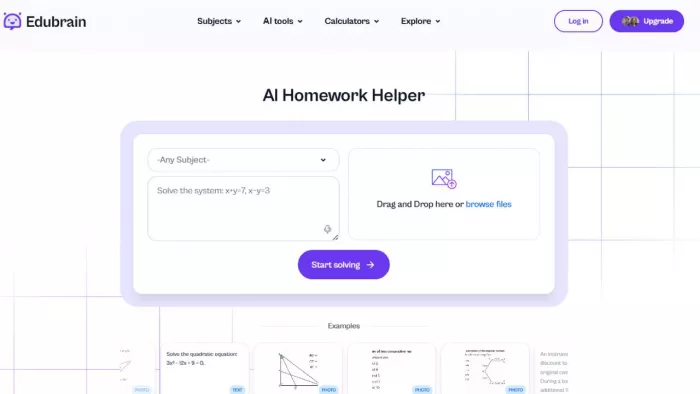
Homework used to take time. You had to go through books, notes, and di...
There is a very specific kind of confidence that comes from generating...
If AI could understand vibes, we wouldn’t be writing essays as prompts...
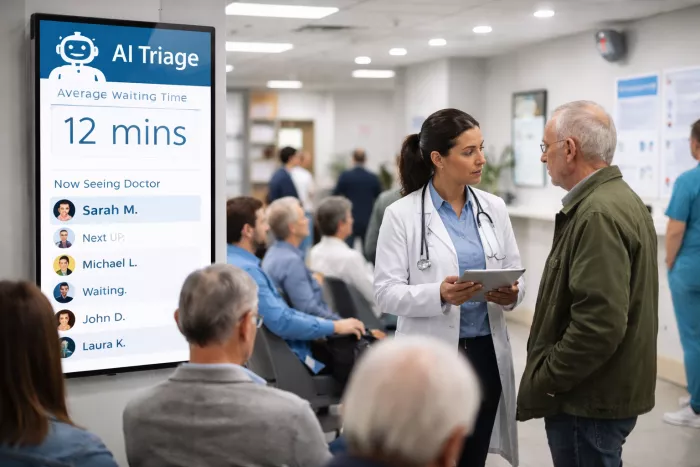
Hospitals are beginning to see measurable reductions in waiting times...
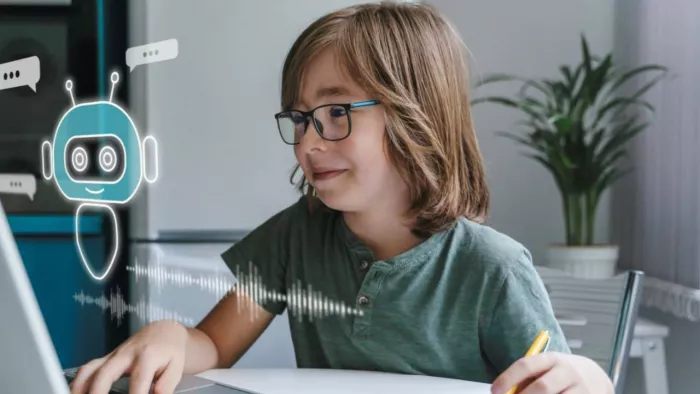
Artificial intelligence has quickly become part of everyday learning....
Discussion