


Spotify is adding new AI-powered podcast features that push the platform beyond passive listening and deeper into personalized audio. The company announced tools that let users ask questions about podcast episodes, generate short private audio briefings, and save AI-created personal podcasts directly into their Spotify library.
The move reflects a broader shift in Spotify’s strategy. Podcasts were once a content acquisition business built around exclusive shows and ad inventory. Now Spotify is trying to make podcasts interactive, searchable, and personally generated, using AI to turn audio into something closer to a dynamic information layer.
One of the most practical additions is AI-powered Q&A for podcasts. The feature is designed to let listeners ask questions about the episode they are watching or hearing, get more context on a topic, or find timestamps connected to specific moments. TechRadar reported that Spotify is positioning the tool as a way to ask deeper questions about podcast episodes while listening.
That matters because podcast discovery has always been weaker than text search. A useful quote, topic, or argument can sit buried inside a 90-minute episode with no easy way to find it later. AI Q&A gives Spotify a chance to make its podcast library more searchable and useful without forcing creators to manually tag every segment.
Spotify is also expanding Personal Podcasts, a feature that creates short, private audio episodes tailored to a user’s interests, prompts, and listening habits. Spotify says these briefings can be saved in a user’s library and played across devices, bringing AI-generated audio into the same environment as regular podcasts and music.
The company is also testing Studio by Spotify Labs, an AI-powered app that can generate personalized daily briefings, podcasts, and playlists based on listening habits, connected apps, and user prompts. The Verge reported that Studio is rolling out as a research preview for users aged 18 and older, with a focus on spoken content rather than music.
The timing is important. Spotify is trying to expand beyond subscription music streaming, where margins are constrained by label licensing costs. Reuters reported that Spotify is targeting mid-teens annual revenue growth through 2030, gross margins of 35% to 40%, and operating margins above 20%, up from 12.8% in 2025.
AI-powered podcasts fit that plan because they can increase engagement, create new premium features, and help Spotify differentiate from Apple Podcasts, YouTube, Amazon Music, and emerging AI-native audio apps. They also give Spotify more personalized inventory around user habits, interests, and daily routines.
Spotify is not alone in turning audio into an AI surface. Google’s NotebookLM helped popularize AI-generated audio summaries, while Amazon, Microsoft, OpenAI, and other AI companies are experimenting with voice agents, briefing tools, and multimodal assistants. The difference is that Spotify already has a massive listening habit to build on.
The company said Prompted Playlist expanded to podcasts in April 2026, letting users create podcast playlists based on listening history, real-time signals, trends, and charts. That shows Spotify is not treating AI podcasting as one isolated feature, but as part of a wider attempt to make discovery more conversational and user-directed.
The business opportunity is clear, but the product risk is just as real. AI-generated briefings could become genuinely useful for commuting, research, productivity, and daily news consumption. They could also flood libraries with synthetic audio that competes with human creators for attention.
That tension will matter for Spotify’s creator ecosystem. If AI helps users discover more podcasts, creators benefit. If AI summaries and personal briefings replace listening time, creators may see Spotify’s new tools as another platform layer extracting value from their work.
For now, Spotify’s podcast AI push signals where audio platforms are heading. The next version of podcasting may not only be about subscribing to shows. It may be about asking questions, generating briefings, and letting AI assemble listening experiences around the user’s day.
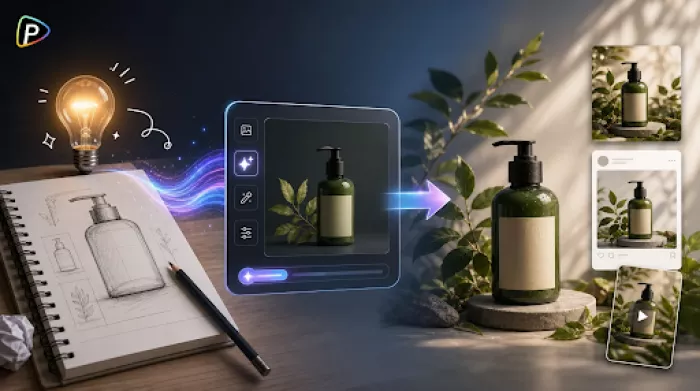
Marketing teams often need images before a product is ready for a phot...
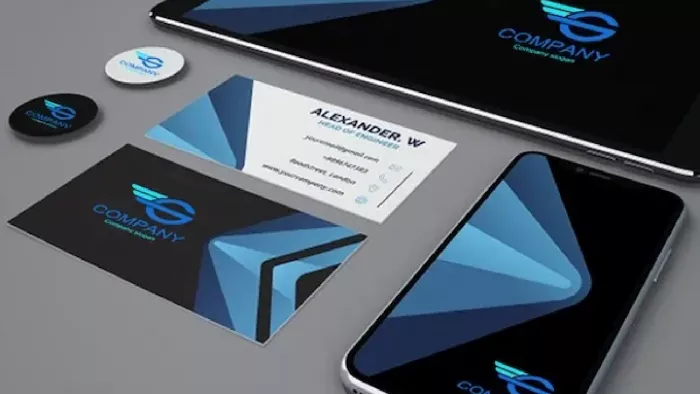
Creating a logo that will grab customers' attention is one of the main...

Enterprise software has a well-known failure mode. The demo goes great...

Most people who produce video at any real scale hit the same wall even...
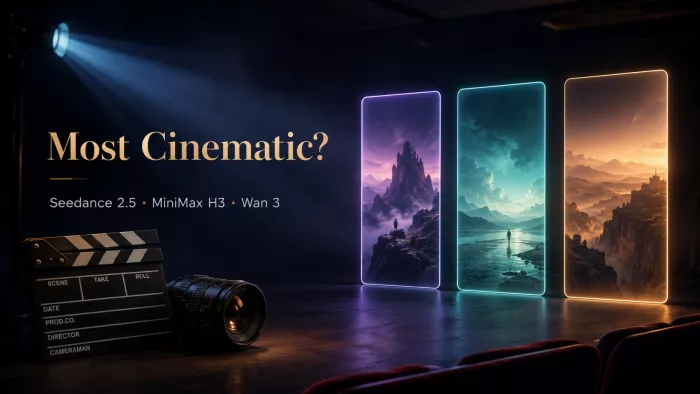
A cinematic AI video needs more than realistic skin, dramatic lighting...

Have you noticed how difficult it is not to watch spoilers of a sporti...
Discussion