

Most people think social media tools exist to schedule posts. That part is already solved. You can schedule content from almost anywhere today. The real problem starts after that.
Content does not fail because it was not scheduled. It fails because it was inconsistent, poorly organized, or forgotten after publishing. This is where tools like Later and SocialBee start to separate.
Later is built for creators who think visually. It helps you see your content before it goes live and maintain a consistent aesthetic. SocialBee is built for people who think in systems. It helps you organize, recycle, and scale content over time.
So this is not a tool comparison in the usual sense. It is a decision about how you want to manage content every day.
Later feels like a design-first tool. The interface revolves around a visual calendar and grid preview, especially for Instagram. You drag posts into place, adjust captions, and see how your feed will look before publishing. This makes it extremely intuitive for creators who care about how their content appears as a collection.
SocialBee approaches the problem differently. It does not prioritize visual layout. Instead, it builds structure through content categories. You can define buckets like promotional posts, educational content, or engagement posts, then automate how and when each category gets published.
This changes the workflow entirely. With Later, you plan what to post this week. With SocialBee, you build a system that keeps posting even when you are not actively planning.
| Dimension | Later | SocialBee |
| Core Focus | Visual scheduling | Content system management |
| Workflow Style | Calendar and grid | Category-based automation |
| Best Fit | Creators | Agencies and teams |
| Strength | Simplicity | Structure |
Later is strongest where visuals matter most. Instagram is clearly its core strength, and that influence carries into how it handles TikTok and Pinterest. Everything feels optimized for platforms where design, layout, and timing matter visually.
SocialBee spreads its strength more evenly across platforms. It handles LinkedIn, Facebook, and X more effectively because its system is not tied to visual presentation. Instead, it focuses on consistent publishing across multiple channels.
This creates a clear split. Later is ideal for creators building a visual identity. SocialBee is better suited for businesses managing multiple platforms at once.
| Platform | Later | SocialBee |
| Excellent | Good | |
| TikTok | Strong | Moderate |
| Good | Strong | |
| Moderate | Strong | |
| Strong | Limited |
Later’s workflow is straightforward. You upload media, write captions, and drag posts into a calendar. It gives you control over timing and appearance, but most of the process is manual.
SocialBee removes much of that manual effort. Once content is added into categories, it can automatically rotate and publish posts based on predefined schedules. This includes evergreen content that can be reused multiple times without re-uploading.
The difference becomes obvious over time. Later requires you to keep planning. SocialBee allows you to build once and reuse continuously.
| Workflow Feature | Later | SocialBee |
| Visual calendar | Strong | Basic |
| Content categories | Limited | Advanced |
| Post recycling | No | Yes |
| Automation depth | Low | High |
Later provides a solid media library with visual organization. It allows you to store images, preview layouts, and manage captions alongside content. It also includes link-in-bio features, which are particularly useful for Instagram-focused workflows.
SocialBee focuses less on visuals and more on efficiency. It allows you to create multiple variations of the same post, which is useful for testing and avoiding repetition. It also includes AI-based caption assistance and a stronger system for reusing content.
This reflects their core differences again. Later is about presentation. SocialBee is about output efficiency.

| Feature | Later | SocialBee |
| Media management | Strong | Moderate |
| Caption tools | Basic | Advanced |
| AI assistance | Limited | Present |
| Content reuse | No | Yes |
This is where the real difference becomes obvious. Not in features, but in how the tool feels after two weeks of use.
Later feels smooth at the start. You open it, drag content, schedule posts, and everything makes sense immediately. It is fast, clean, and requires almost no learning.
SocialBee takes slightly longer to understand. The category system, scheduling logic, and automation require setup. But once configured, it reduces the need for daily interaction.
| Experience Factor | Later | SocialBee |
| Learning curve | Very low | Moderate |
| Daily effort | High | Low |
| Setup time | Minimal | Higher |
| Long-term efficiency | Moderate | High |
The difference is simple. Later saves time today. SocialBee saves time over the next three months.
Later typically starts at a slightly lower price point, making it accessible for individual creators and small teams. However, as you scale features and profiles, costs increase.
SocialBee starts at a similar or slightly higher level but offers more automation features at earlier tiers. This makes it more cost-efficient for users managing larger volumes of content.
| Pricing Factor | Later | SocialBee |
| Entry price | Lower | Slightly higher |
| Scaling cost | Increases with features | More stable |
| Value focus | Ease of use | Automation |
In practice, Later is cheaper when you are posting occasionally. SocialBee becomes more valuable when you are posting consistently.
| Scenario | Best Tool | Why |
| Instagram creator | Later | Visual planning and feed control |
| Agency managing clients | SocialBee | Automation and scalability |
| Small business | Later | Simplicity and ease of use |
| Content-heavy brand | SocialBee | Recycling and efficiency |
Creators who care about aesthetics will naturally lean toward Later. Teams managing multiple accounts and high content volume will benefit more from SocialBee’s structure.
Later struggles when content volume increases. Without automation or recycling, everything has to be scheduled manually. This becomes time-consuming for teams managing large content pipelines.
SocialBee, on the other hand, sacrifices simplicity. The interface is less intuitive, and the lack of strong visual planning can be limiting for creators who rely on aesthetics.
Neither tool is incomplete. They are just optimized for different priorities.
Later is clean, visual, and easy to use. It works best for creators who want control over how content looks and feels.
SocialBee is structured, automated, and scalable. It works best for teams that need consistency without constant manual effort.
The difference comes down to one idea:
If you post content, Later works.
If you manage content at scale, SocialBee works better.
Most people do not need more features. They need a tool that matches how they think about content.

Marketing teams often need images before a product is ready for a phot...
Creating a logo that will grab customers' attention is one of the main...

Enterprise software has a well-known failure mode. The demo goes great...
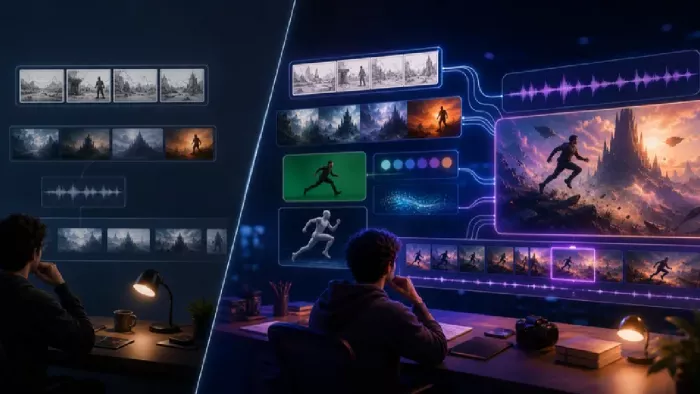
Most people who produce video at any real scale hit the same wall even...

A cinematic AI video needs more than realistic skin, dramatic lighting...

Have you noticed how difficult it is not to watch spoilers of a sporti...
Discussion