
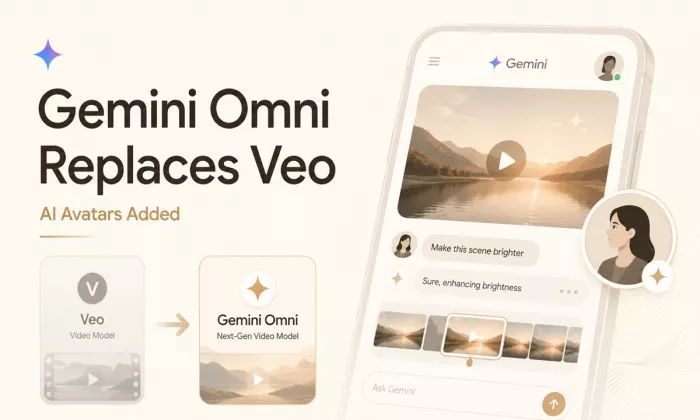
Google is officially retiring Veo as the default video model inside the Gemini app. The company's updated video generation page now states that Gemini Omni, its latest video editing and generation model, will replace Veo in the Gemini app going forward. Alongside the switch, Google is rolling out a new AI avatars feature that lets users create videos starring a digital version of themselves without uploading a photo every time.
The change caps a transition that began at Google I/O 2026 in May, when Gemini Omni was first announced, and it has left many creators asking the same question: is Veo gone for good?
Anyone opening the Gemini app to generate a video now gets Gemini Omni instead of Veo. Google describes Omni as a model that combines Gemini's core intelligence with advanced generative media capabilities, including image to video and video to video AI editing.
The pitch is simple: creating and editing videos should feel like having a conversation. Instead of writing one prompt, getting one clip, and starting over for every change, Omni supports multi-turn editing. You can generate a video, then ask the model to swap the background, change a character's wardrobe, adjust the lighting, stabilize the footage, or transfer a style, all through follow-up chat messages. Each instruction builds on everything established before it, so characters, lighting, and scene context carry over between edits.
Google has internally framed Omni as a kind of Nano Banana for video, referring to its popular conversational image editing model. That comparison tells you where the company is heading: video generation is being folded into the same chat-first workflow that made Nano Banana a viral hit.
The word “replace” has caused confusion, so the distinction matters. The replacement applies specifically to the Gemini app experience. Veo 3.1 remains documented and available on Google DeepMind's site, continues to power video generation inside Google Flow, and stays accessible to developers through the Gemini API, Vertex AI, and Google AI Studio.
For everyday users, the switch is automatic and mostly invisible. For developers running Veo in production pipelines, nothing needs to be migrated immediately. Google has said developer and enterprise API access for Omni is rolling out separately, so teams building on Veo endpoints should wait for official migration documentation rather than ripping out working integrations based on app-level messaging.
The most consumer-friendly addition in this rollout is AI avatars. Google says an avatar is a digital version of yourself that lets you generate videos that look and sound like you. Once created, the avatar can be dropped into generated videos without re-uploading your image for every project.
Google emphasizes that the feature is optional and that only the account owner can use their own avatar to create videos, a design choice clearly aimed at heading off impersonation concerns. Users who prefer the old workflow can continue uploading photos manually.
This puts Google in direct competition with the avatar-driven creator tools that have dominated short-form video this year, and it lowers the barrier for anyone producing talking-head content, product explainers, or personal social clips at volume.
Consistent with its AI principles, Google confirmed that all videos generated in the Gemini app carry SynthID, its imperceptible watermark for identifying Google AI-generated content. DeepMind's documentation for Omni also references C2PA Content Credentials.
Google is expanding verification in the other direction too. Users can now upload an image, video, or audio file to Gemini and ask whether it was generated with Google AI. Gemini checks for SynthID and applies its own reasoning before returning an answer. With AI-generated video flooding social platforms, built-in detection is becoming a selling point rather than an afterthought.
Gemini Omni requires a Google AI subscription, with features varying by tier and geography, and the experience is restricted to users 18 and over. Gemini Omni Flash, the first model in the family, has been rolling out across the Gemini app, Google Flow, and YouTube Shorts since launch, with free access available inside YouTube Shorts and the YouTube Create app.
Reports around the launch indicate a fuller Omni Pro version is on the roadmap, following the same Flash and Pro naming convention Google uses across the Gemini family.
Google's move confirms the direction the entire industry is taking in 2026. Standalone, single-prompt video generators are giving way to unified multimodal systems that reason across text, images, audio, and video in one place, with iterative editing replacing the generate-and-pray workflow.
For creators, the practical takeaway is straightforward. If you rely on the Gemini app for video, you are now an Omni user whether you planned to be or not, and the conversational editing features are worth learning. If you run Veo through Flow or the API, your workflow is unchanged for now, but the writing is on the wall: Omni is the future of video inside Google's ecosystem, and Veo is settling into legacy status.
For everyone else, the avatar feature is the one to watch. Personal AI avatars going mainstream inside a free-tier Google product will accelerate the wave of AI-presenter content already taking over TikTok, Reels, and Shorts.
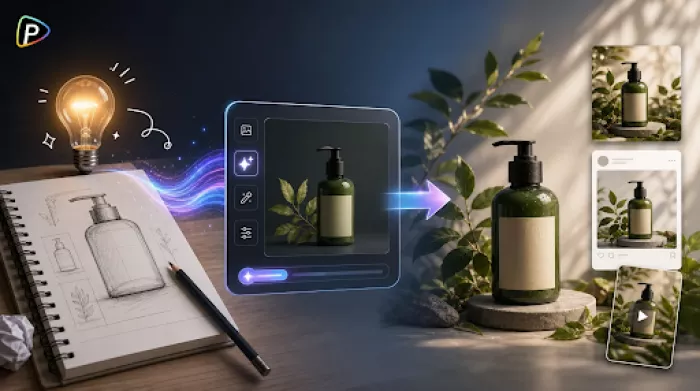
Marketing teams often need images before a product is ready for a phot...
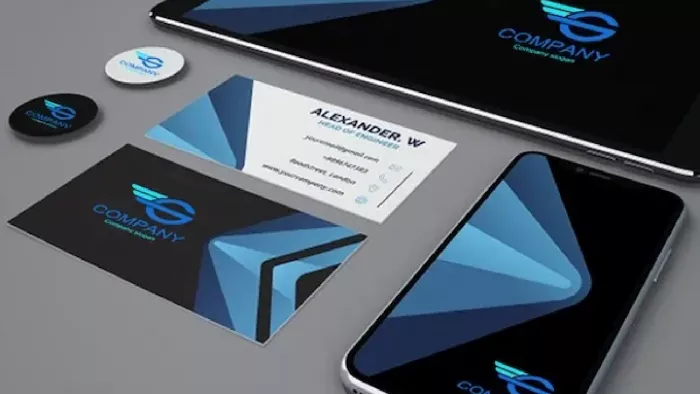
Creating a logo that will grab customers' attention is one of the main...

Enterprise software has a well-known failure mode. The demo goes great...
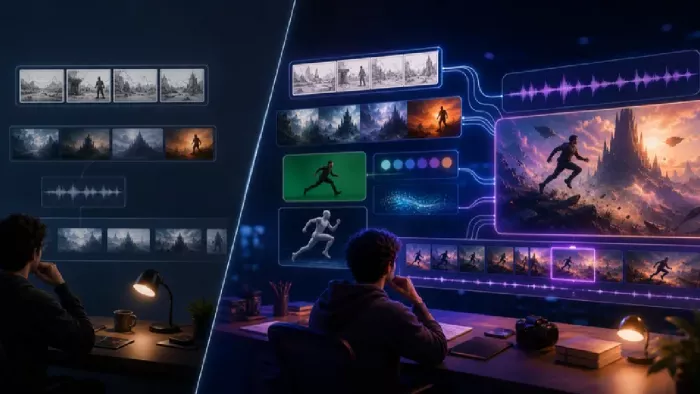
Most people who produce video at any real scale hit the same wall even...
A cinematic AI video needs more than realistic skin, dramatic lighting...

Have you noticed how difficult it is not to watch spoilers of a sporti...

Discussion