

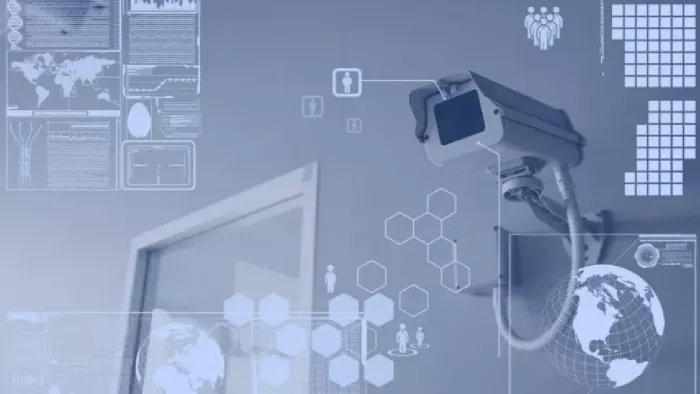
Artificial intelligence is changing how we use video. It used to be a passive tool for recording things, but now it's an active, smart system that can analyze and predict in real time. This goes beyond just security, opening up new uses in business operations, public safety, and managing resources. By automatically looking at visual information, AI helps organizations spot patterns, work more efficiently, and react to situations much faster and more accurately.
AI in video monitoring started with simple motion detection, which often set off false alarms from trees swaying or animals passing by. Today's systems are much more advanced, using sophisticated computer vision algorithms that can tell the difference between people, vehicles, and other objects. This means they can detect events more precisely, like someone lingering in a restricted area or a car going the wrong way.
The technology has gotten good at recognizing specific behaviors and unusual activity, learning what's "normal" for a scene and flagging anything different. This shift from just recording to actively analyzing is a big step forward for video technology.
AI-powered video isn't just for security anymore. In retail, businesses use video analytics to understand how customers behave. They create heat maps to show where people go in a store, optimize store layouts, and measure how long lines are to improve service.
In factories and industrial settings, AI can watch assembly lines for quality control or make sure employees are wearing the right safety gear, which helps prevent accidents. Cities use this technology to manage traffic, find congestion, and adjust signal timing for smoother commutes. These creative uses turn video feeds from a simple security tool into a valuable source of operational data.
As cameras get better and organizations keep footage longer, it's a huge challenge to store and search through terabytes of video. Finding a specific event in weeks of recordings can be like looking for a needle in a haystack. A good video management system is essential to handle all this data.
Modern platforms use AI to automatically index and tag videos with metadata, making them searchable. For example, you could search for "all red cars that entered the parking lot between 2 PM and 4 PM" and get results in seconds. This turns huge video archives into something accessible and useful.
The growing power of video AI brings up important questions about privacy and ethics. Being able to analyze video footage on a massive scale means we need strong rules and transparency. To deal with these concerns, many systems include privacy features from the start, like automatically blurring the faces of people not involved in an incident.
Organizations need to set clear ethical guidelines and policies for how video data is collected, used, and protected. It's crucial to balance security benefits with individual privacy rights to maintain public trust and use this technology responsibly.
The future of intelligent video is moving towards even more proactive features and better integration. Predictive analytics will let systems spot signs of trouble, like a crowd getting unruly, and alert operators before a situation escalates.
We'll also see deeper connections with other Internet of Things (IoT) devices, where a video system could trigger door locks or alert building management systems when something happens. Another key trend is edge computing, where AI processing happens right on the camera. This makes things faster, reduces network strain, and improves data security by sending less raw video to a central server.
AI isn't just adding features to video systems; it's changing what they're for. By letting machines understand what they see, this technology offers insights that make things safer and more efficient and improve awareness across many industries.

Marketing teams often need images before a product is ready for a phot...

Creating a logo that will grab customers' attention is one of the main...

Enterprise software has a well-known failure mode. The demo goes great...
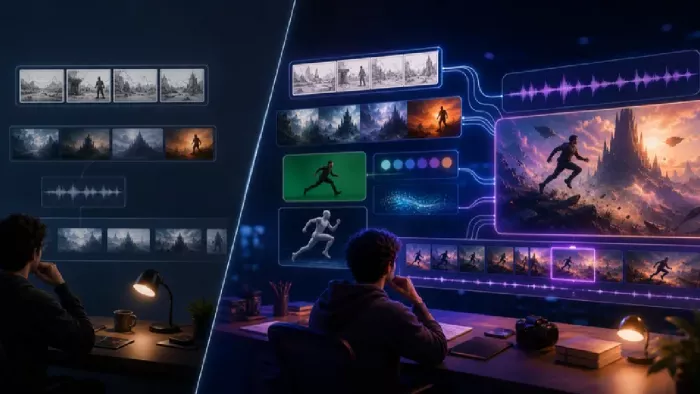
Most people who produce video at any real scale hit the same wall even...
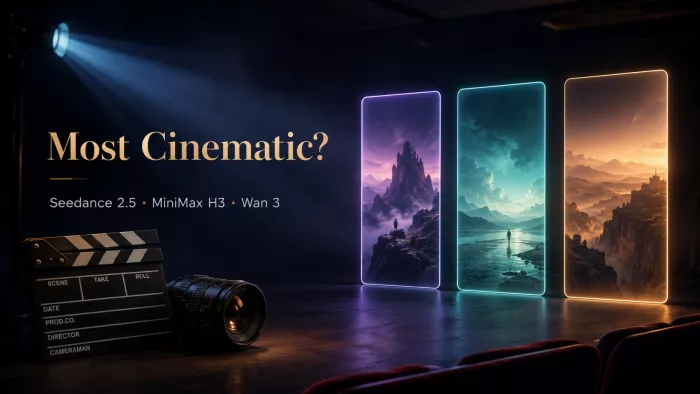
A cinematic AI video needs more than realistic skin, dramatic lighting...
Have you noticed how difficult it is not to watch spoilers of a sporti...
Discussion