

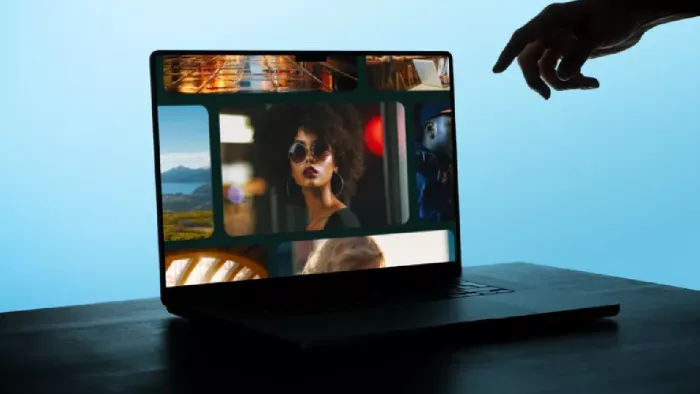
AI video generators create ads from product photos by first understanding your pictures, then writing a script and combining video clips with AI avatars voiceovers animations, and music to produce a complete, platform-ready advertisement. You provide a product image or share a product URL, and the software fetches the relevant information, and a few minutes later, you have a concise video formatted for TikTok, Reels, or YouTube Shorts. Previously, a videographer, an editor, and several days were needed, now it only takes one person an afternoon.
The output is not a high-quality brand film, and it should not be mistaken for one. These tools are designed for performance marketing, where the main objective is to launch numerous ad variations quickly, test which ones convert, and kill the ones that don't. For e-commerce and DTC brands constantly running creative on paid social, that speed is the entire value proposition, and the technology has gotten so good that the results are comparable to human-made ads in the feed.
The tool kicks off the process by reading your input. Most platforms support either direct image upload or product page URL, and when you provide a URL, it scrapes the page for product name description price, and existing photos. Next, it creates a script, generally a short hook followed by a benefit and call to action, that fits into a 15 to 30-second time frame.
That is when the assembly takes place. The tool aligns your script with a series of scenes, adds a voiceover (synthetic, with a selection of voices and accents), and frequently, an AI avatar reciting the script to camera is inserted. Your product photo is given a lively animation through motion zooms pans, and transitions so that a still image is perceived as video.
Background music and captions are automatically added, and captions are actually more important than people think since a lot of viewers watch videos with sound off. The entire process takes only a few minutes per video. That is the aspect that alters how a team operates, because the additional cost of one more variation is nearly zero. You can create a batch of ten, each with a different hook or avatar, and compare them in a single ad set.
This is where there should be some adjustment in expectations. The AI avatars, the digital presenters barely reading your text, look quite convincing in very short clips but if you keep looking at them, they still might feel a bit strange, as their lips moving and gestures timing are usually the main signs of being fake. For a three-second hook in a fast-scrolling feed, you hardly ever see those faults. For a sixty-second explainer someone watches very closely, the seams become more evident.
Product demonstration is the better aspect. Since the tool uses your actual photos as a basis instead of generating the product completely, the item itself will look right, which is extremely important for gaining trust and for complying with ad platforms. You will not be dealing with a generated image that shows a completely different product from what you actually deliver. The animation that is done to those pictures - the movement and the lighting effects - is where the quality differences between tools show up, so it is advisable to try several before making a final decision.
Research from the industry about paid social has always shown that having different types of creatives is related to slower audience fatigue which in fact, is the main reason why these tools get their share. The idea is not that any single AI-generated advertisement will beat a perfectly human-made one. It is that having the ability to make fifteen decent variations than to make two great ones when the algorithm is rewarding new creativity.
The cost of a typical product video, even a basic one, starts at a few hundred dollars for a freelancer and can go up to several thousand if you hire an agency. Besides money, the time factor can stretch up to several days or weeks after you include briefing, shooting, and revisions. Whereas AI video generators are efficient as they reverse both of these boundaries. They generally work on monthly subscription models ranging from twenty to a few hundred dollars according to how many videos and credits you require. More expensive subscription levels offer several avatars, longer runtimes, and unlimited commercial usage rights.
The cost story isn't only the subscription. It's the removal of coordination overhead, no scheduling a shoot, no waiting on an editor's queue, no revision rounds that each cost a day. A small team can self-serve the entire pipeline. If you're picking a platform, an AI ad generator is built specifically around the URL-to-video workflow, which matters if your catalog is large and you want to spin up ads per product without rebuilding each one from scratch.
The savings scale with volume. A brand producing two videos a year won't see much difference from doing it the old way. A brand testing twenty creatives a month sees the math tip hard in favor of the AI route, both on direct cost and on the speed of getting learnings back.
The strongest connection is in performance marketing for products, whether they're physical or digital, that have a visual appeal - beauty clothing gadgets, home decor supplements pretty much anything that works better when shown rather than explained. Dropshippers and DTC brands that are testing their new products heavily rely on these tools as the cost of validating the product through ad spend reduces when the creative part is almost free to produce.
But, if the product takes an actual demonstration or needs an emotional story for the marketing then the fit won't be as good. A complex B2B software platform, a service business selling trust, or a luxury brand built on craft will find AI avatars and templated motion to be very limiting. Those categories still get some benefits from using real footage, even if they apply AI tools for quick social cuts. Besides that, regulated industries pose an additional challenge, as synthetic voices and avatars could bring ad-platform disclosure rule violations in certain markets, so you should check the policies wherever you are running your ads.
Also, the team size has an impact on value. A solo founder or a very lean two-person marketing team largely benefits from the tool, because it substitutes for capabilities they would not be able to afford to hire. Even so, a large brand with an in-house studio usually uses these tools to a lesser extent, e.g. for very quick testing rather than for campaigns on the hero level, then they give the production team the winning concepts to make them perfect.
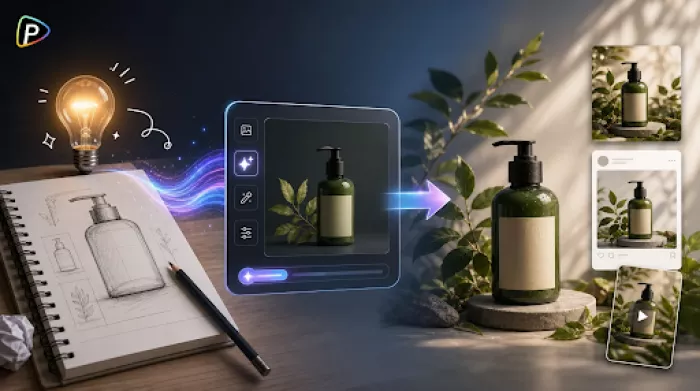
Marketing teams often need images before a product is ready for a phot...
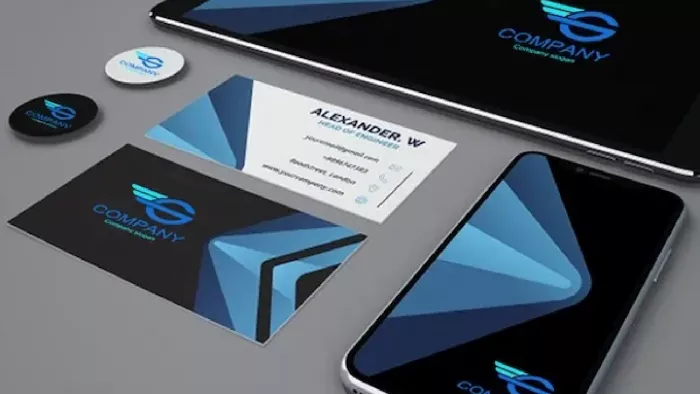
Creating a logo that will grab customers' attention is one of the main...

Enterprise software has a well-known failure mode. The demo goes great...
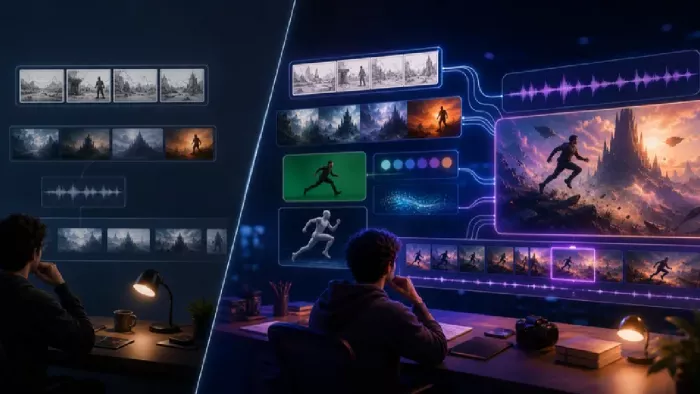
Most people who produce video at any real scale hit the same wall even...
A cinematic AI video needs more than realistic skin, dramatic lighting...
Have you noticed how difficult it is not to watch spoilers of a sporti...
Discussion