

Microsoft has unveiled Scout, an always‑on AI personal assistant built on the open‑source OpenClaw framework, signaling a strategic shift toward more autonomous, adaptive AI agents that operate alongside users rather than waiting for prompts. The debut was announced at Microsoft’s Build 2026 developer conference in San Francisco as part of the company’s broader push to bring agentic artificial intelligence into everyday productivity tools.
Scout is designed to work across Microsoft 365 applications including Outlook, Teams, and OneDrive and proactively assist with tasks ranging from organizing calendars and drafting emails to handling expense reporting and surfacing important documents. Unlike traditional assistants embedded in apps, Scout maintains a persistent identity and learned preferences, allowing it to adapt to individual workflows over time and act in a more “coworker‑like” capacity.
Built on the foundations of OpenClaw. an autonomous, agentic AI interface that gained popularity in 2026 for enabling persistent assistant behavior across workflows. Scout can analyze communications, monitor user calendars, detect scheduling conflicts, and suggest context‑aware actions without constant prompts. Users can even name their own Scout instance, reinforcing its personalized assistant role.
The assistant already sees internal use at Microsoft, where more than 3,000 employees are using a preview version to test and refine its capabilities. Early access to Scout is being rolled out to Microsoft 365 customers, particularly those on the Frontier tier with a GitHub Copilot subscription, with plans for broader availability in the coming months.
Scout’s design reflects Microsoft’s ambition to make AI a proactive partner in productivity rather than a passive tool. The assistant integrates deeply with Microsoft Teams and Outlook, pulling context from emails, chats, and calendars to automate tasks such as meeting prep, drafting professional responses, and coordinating schedules across team members. Its ability to surface relevant files or reminders without being prompted sets it apart from traditional “Copilot” interfaces that require user initiation.
Microsoft is also emphasizing security and enterprise readiness. Because Scout can access sensitive work data including emails and internal messages, the company is embedding safety controls and compliance features such as sandboxed execution and policy enforcement using Microsoft Purview, Defender, and broader security tooling to mitigate risks like prompt injection or unauthorized data access.
The launch of Scout comes amid intensified competition in the AI productivity space. Companies such as Google are developing their own agent platforms like Gemini Spark, while startups and enterprise vendors race to build assistants that can handle workflow automation with minimal user intervention. Microsoft’s adoption of the OpenClaw framework. an open‑source agent technology originally designed for autonomous task execution across services, gives Scout a flexible foundation and taps into a broader ecosystem of agent development.
By embedding Scout into the Microsoft 365 ecosystem and enabling persistent, proactive behaviors, rather than point‑in‑time responses, Microsoft is positioning the assistant as a new kind of AI coworker that can help reduce manual task load for knowledge workers and teams.
Analysts say Scout’s preview launch underscores a larger industry shift: from reactive AI assistants that wait for commands to autonomous agents that integrate with core business systems. Early adopters report that Scout’s ability to handle scheduling conflicts, summarize messages, and draft content without being continuously prompted speeds workflow and reduces context switching , a perennial productivity problem in office environments.
As the technology matures and more enterprise customers gain access, Scout could redefine how productivity platforms think about AI: not just as a smart search or composition tool, but as a persistent coworker that learns and evolves with its users.

Marketing teams often need images before a product is ready for a phot...
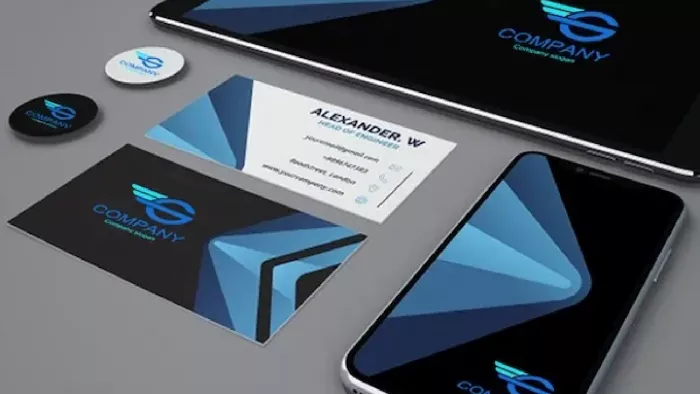
Creating a logo that will grab customers' attention is one of the main...
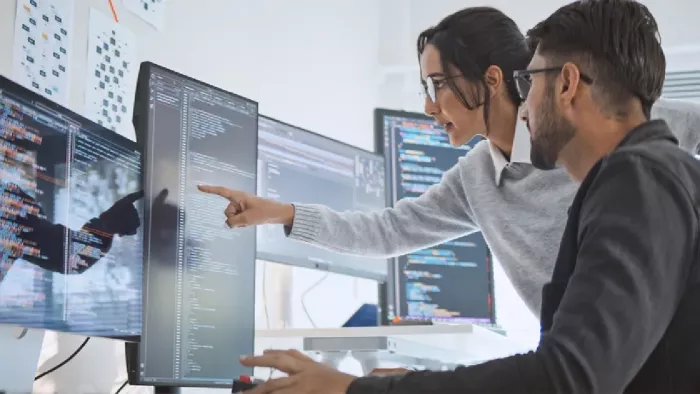
Enterprise software has a well-known failure mode. The demo goes great...

Most people who produce video at any real scale hit the same wall even...
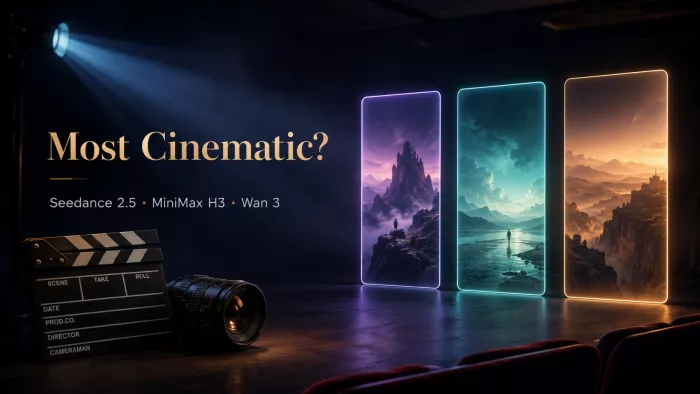
A cinematic AI video needs more than realistic skin, dramatic lighting...
Have you noticed how difficult it is not to watch spoilers of a sporti...
Discussion