
Sony has launched the REON POCKET PRO Plus, a wearable cooling and heating device designed to sit around the neck and regulate body temperature during hot weather. The product arrives as rising summer temperatures are turning personal cooling from a niche gadget idea into a more serious consumer-tech opportunity. Sony’s new model is available in the UK for £199 and in parts of Europe for around €229, with Asian markets such as Singapore listing it at about S$349.
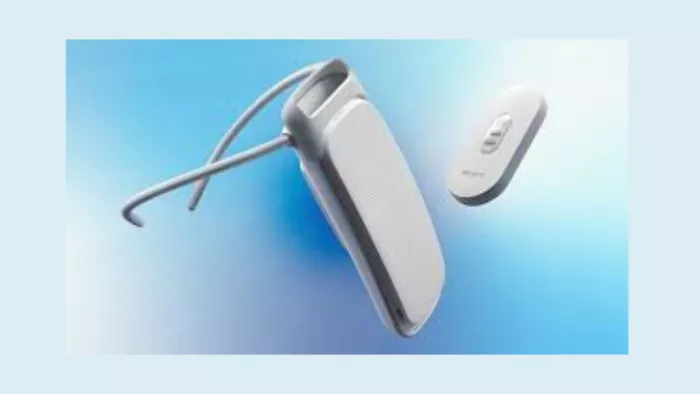
The device is not a conventional air conditioner in the household sense. Instead, it uses a chilled stainless-steel plate that rests near the upper back and neck, directly cooling the body where it makes contact. Sony describes the REON POCKET PRO Plus as a contour-fitted wearable thermal device with both cooling and heating functions, meaning it can also be used in colder conditions.
The biggest shift in Sony’s approach is that the REON POCKET PRO Plus does not try to cool an entire space. It cools the person. That makes it more relevant for commuters, office workers, travelers, and people who move between outdoor heat and indoor air-conditioned environments throughout the day.
The upgraded model is said to deliver 20% better cooling performance than its predecessor. Reports also note that Sony has improved the cooling algorithm, allowing the metal plate to become about 2°C colder in Smart Cool mode compared with the previous generation.
Sony has also changed the physical design. The new version has more flexible arms, a better neck fit, and an adjustable exhaust vent that directs warm air away from the body. That matters because a wearable cooler only works well if it stays stable, remains discreet under clothing, and does not trap heat around the user’s neck.
The REON POCKET PRO Plus works with Sony’s companion app, allowing users to control temperature levels from a smartphone instead of adjusting buttons on the device while wearing it. It also works with the REON POCKET Tag 2, a smaller sensor accessory that measures surrounding temperature and humidity so the device can adjust cooling more intelligently.
That gives Sony a different positioning from basic neck fans. The REON POCKET line is closer to a personal climate-control system than a simple airflow gadget. It cools through direct skin contact and adjusts based on environmental signals, rather than only blowing air around the face.
Battery life is also central to the pitch. The device can run for up to 10 hours depending on usage mode, with a full recharge taking around three hours. That makes it more practical for daily commuting or office use, though heavy cooling modes will likely reduce total runtime.
Sony’s timing is commercially interesting because extreme heat is becoming a recurring urban problem. Wearable cooling devices are still a niche category, but the use case is becoming easier to understand: people want relief during commutes, power-saving office conditions, outdoor waiting times, travel, and long summer days.
The REON POCKET PRO Plus also reflects a broader trend in consumer electronics. Instead of only making homes smarter, companies are making comfort more personal and portable. Dyson, Shark, and smaller gadget brands have been experimenting with personal air, fans, and cooling devices, but Sony’s approach is more discreet and body-focused.
Sony’s wearable AC is not likely to replace home air conditioners or large cooling systems. Its importance is more specific: it shows how climate adaptation is slowly becoming a consumer-electronics category. As heatwaves become more common, personal thermal devices may move from novelty gadgets to everyday accessories for commuters and workers.
The REON POCKET PRO Plus is still a premium product with limited market availability. But its improved cooling, app controls, longer battery life, and wearable design suggest that Sony sees personal climate control as more than an experiment. The next test is whether consumers see it as a useful summer essential or just another futuristic gadget built for extreme-weather headlines.
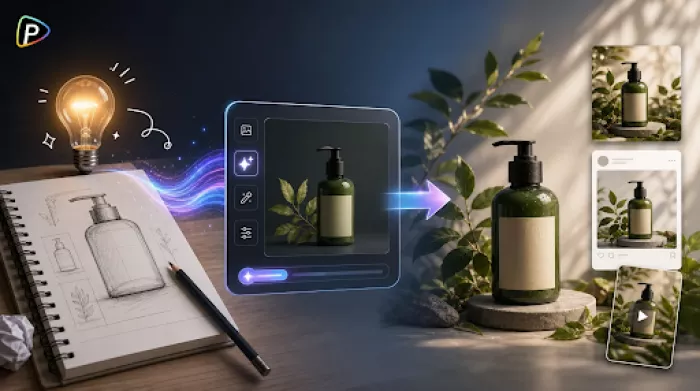
Marketing teams often need images before a product is ready for a phot...
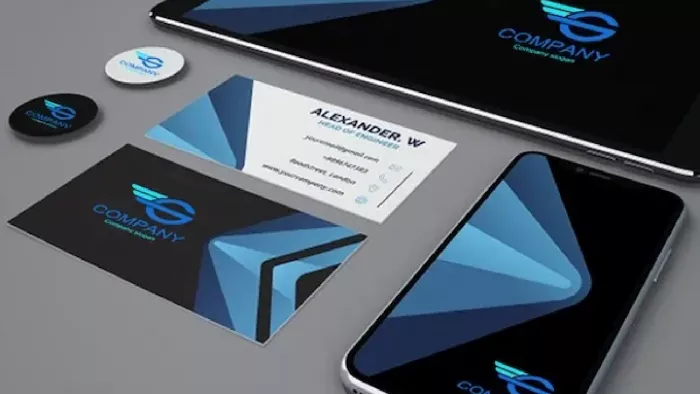
Creating a logo that will grab customers' attention is one of the main...

Enterprise software has a well-known failure mode. The demo goes great...
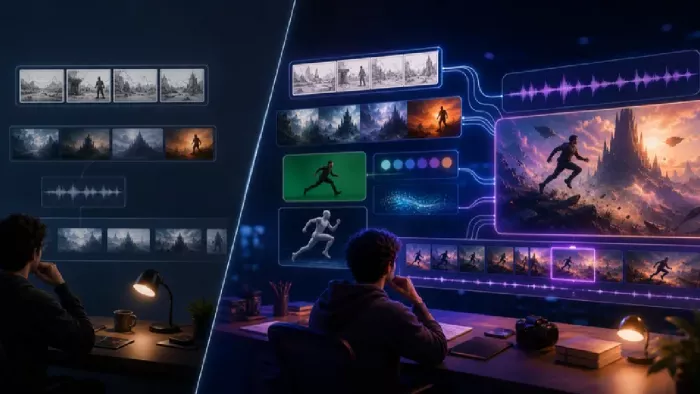
Most people who produce video at any real scale hit the same wall even...
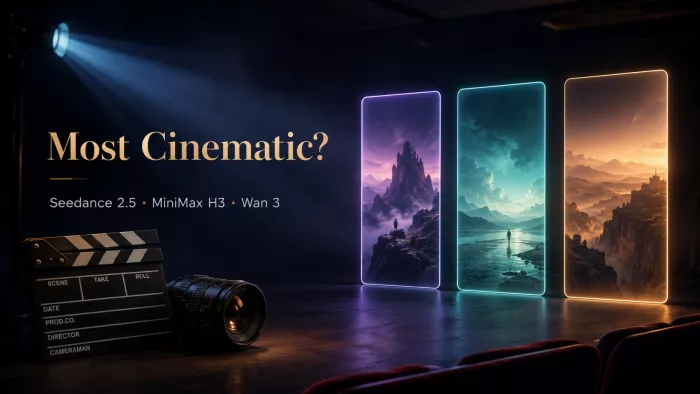
A cinematic AI video needs more than realistic skin, dramatic lighting...

Have you noticed how difficult it is not to watch spoilers of a sporti...

Discussion