

Spotify is adding narrated long-form magazine articles to its platform, widening its push beyond music, podcasts, and audiobooks into another category of spoken-word media. The company is launching with more than 650 English-language articles from publishers including Rolling Stone, The Atlantic, Vogue, Variety, Vanity Fair, Billboard, Vibe, GQ, WIRED, and Pitchfork. The feature will be available in markets where Spotify’s audiobook service is already supported.
The move gives Spotify a new way to capture listening time from users who may not commit to a full audiobook but still want premium editorial content in audio form. It also gives publishers another distribution channel at a time when written media companies are looking for new ways to package journalism for audiences who increasingly consume information through audio, video, and social feeds.
Spotify is not positioning narrated articles as podcasts. Instead, the format sits closer to its audiobook business. Premium users can listen to the articles through their monthly audiobook allowance, while free users can purchase individual articles for $1.99 each. Each article is under two hours, making the format shorter than most audiobooks but more substantial than a podcast clip or news brief.
That structure is important because it helps Spotify test whether long-form journalism can become part of the same paid listening economy as audiobooks. The company has spent the past few years expanding into audiobooks to reduce its reliance on music streaming, where margins are constrained by licensing costs. Narrated articles add a smaller, more flexible content format that can fit into commutes, workouts, travel, and evening listening.
For publications such as The Atlantic, Vogue, WIRED, Vanity Fair, and Rolling Stone, Spotify’s launch offers a fresh way to extend the life of long-form reporting and cultural writing. Many premium publications already produce podcasts, but narrated articles are different because they preserve the original written format while making it available to people who prefer listening over reading.
Spotify said the new format is a “natural extension” of the music, podcasts, and audiobooks people already use the platform for. The company’s audiobook licensing lead, Colleen Prendergast, said the goal is to meet audiences around topics they already love and build healthier listening habits that could eventually increase engagement with books.
The narration model also shows where Spotify is heading with scalable audio production. The company said the articles will use a mix of human narration and digital voice narration, with digitally narrated sections clearly labeled for users. Spotify said digital narration can lower the barrier to bringing shorter written works into audio, especially pieces that may not otherwise justify a full audio production workflow.
That matters for publishers because professional narration is expensive and time-consuming. If digital narration becomes accepted by listeners, publishers could convert more written work into audio without the production burden of traditional voice recording. But the labeling requirement will be important because readers and listeners increasingly want transparency around synthetic media.
Narrated articles are part of a broader Spotify strategy to make the platform a general-purpose audio hub. In the same month, Spotify also introduced AI-powered podcast Q&A and briefing tools, a desktop app for personal podcast generation, and an ElevenLabs-powered audiobook creation tool for self-published authors.
The competitive pressure is clear. YouTube is becoming a major podcast and video-podcast platform. Audible remains strong in audiobooks. Apple controls a large podcast ecosystem. Google’s NotebookLM popularized AI-generated audio summaries. Spotify’s answer is to keep adding formats until more kinds of listening happen inside its app.
The launch is not just about convenience. It is about attention. Spotify wants users to spend more time on the platform across different listening modes: music for entertainment, podcasts for conversation, audiobooks for long-form listening, AI briefings for personalization, and now narrated articles for premium journalism.
The risk is that the format may sit awkwardly between podcasts and audiobooks. Some users may prefer publisher podcasts, while others may not want articles to consume limited audiobook hours. But if Spotify can make narrated journalism feel like an easy daily habit, it could open a useful new lane for publishers and give Spotify another content category that strengthens its paid ecosystem.
Spotify’s narrated-articles test shows the company’s broader ambition clearly. It does not want to be just the app people open for songs. It wants to become the place where written culture, spoken journalism, books, podcasts, and AI-generated audio all compete for the same daily listening time.

Marketing teams often need images before a product is ready for a phot...
Creating a logo that will grab customers' attention is one of the main...

Enterprise software has a well-known failure mode. The demo goes great...

Most people who produce video at any real scale hit the same wall even...
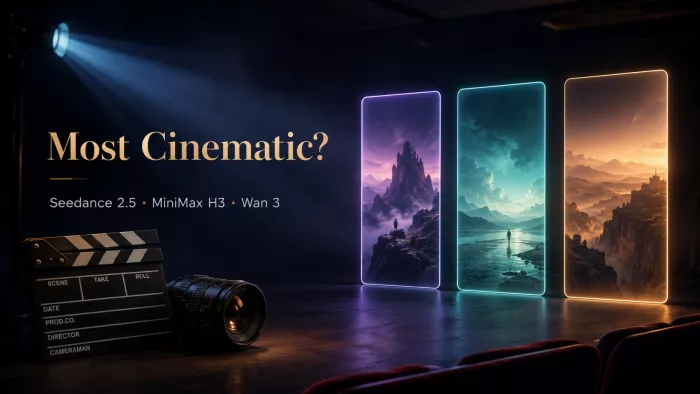
A cinematic AI video needs more than realistic skin, dramatic lighting...

Have you noticed how difficult it is not to watch spoilers of a sporti...
Discussion