

AutoDraft AI is not the kind of tool I would describe as just another AI image generator. Its real focus is more specific: it helps creators produce cartoon characters, mascots, avatars, anime-style visuals, comic-style characters, story scenes, backgrounds, and simple character animations from prompts or references.
That makes this AutoDraft AI Review different from a normal image-tool review. The main question is not only, “Can AutoDraft AI make a good image?” The better question is, “Can AutoDraft AI help someone build usable character-based visuals for real content?”
After studying its features, pricing structure, public feedback, animation tools, character consistency claims, and creative workflow, my view is simple: AutoDraft AI is strongest when you need a quick cartoon or character draft that can later become part of a thumbnail, story scene, mascot concept, explainer video, webtoon draft, or animated character asset. It is weaker when you expect fully polished design, perfect motion, professional typography, or final brand-ready artwork without any extra editing.
| Review factor | Rating |
| Cartoon character generation | 8.5/10 |
| Mascot creation | 8/10 |
| Anime-style character output | 7.8/10 |
| Story scene creation | 8/10 |
| Character consistency | 7.5/10 |
| Animation support | 7/10 |
| Beginner friendliness | 8/10 |
| Final design polish | 6.8/10 |
| Pricing value | 7.5/10 |
| Overall rating | 7.8/10 |
Verdict: AutoDraft AI is a strong creative drafting tool for cartoons, mascots, avatars, story visuals, and simple character animation. It is best for creators who want to turn rough ideas into usable visual drafts quickly. It should not be treated as a full replacement for a designer, animator, or final layout tool.
AutoDraft AI is built around visual character creation. It can produce cartoon characters, avatars, mascots, anime-style people, comic-style figures, fantasy characters, backgrounds, story scenes, and animated character clips.
This makes it useful for creators who do not want to start from a blank canvas. Instead of hiring an illustrator for every rough concept, you can describe the character or scene and get a first visual direction within minutes.
| AutoDraft AI output | What it creates | Best use case |
| Cartoon characters | Prompt-based cartoon figures with expressions and outfits | Stories, thumbnails, learning content |
| Cartoon avatars | Profile-style cartoon faces and stylized portraits | Social profiles, creator branding |
| Mascots | Friendly brand-style characters | Apps, websites, YouTube channels |
| Anime-style characters | Stylized faces, outfits, poses, and expressions | Anime concepts, webtoon drafts |
| Comic-style characters | Bold, expressive, panel-ready figures | Comics, storyboards, social visuals |
| Story scenes | Full cartoon-style environments with characters | Children’s stories, explainers, webtoons |
| Backgrounds | Visual settings from prompts or sketches | Storytelling, animation scenes |
| Character animations | Simple actions, expressions, lip-sync, and voiceover | Short videos, explainers, kids’ content |
| Thumbnail bases | Expressive characters or visual scenes | YouTube and social media thumbnails |
The most important thing is that AutoDraft AI does not only produce single isolated images. It tries to support a broader creative workflow where a character can be created, reused, placed in scenes, and even animated.
Most creators face the same problem: they know the idea, but they do not have the visual.
You may know you want a fox mascot, a cartoon teacher, an anime student, a webtoon-style scene, or a funny thumbnail character. But getting that visual made manually can take hours. If you hire someone, it may cost more than the content itself.
AutoDraft AI helps in that early stage. It gives you a first visual draft fast.
| Creative need | How AutoDraft AI helps |
| You need a mascot idea | It creates multiple mascot directions from prompts |
| You need a cartoon avatar | It turns a profile idea into a stylized face |
| You need a story character | It creates a role-based character with outfit and expression |
| You need a webtoon scene | It generates characters inside a scene-like frame |
| You need a YouTube thumbnail base | It produces expressive cartoon visuals |
| You need animation material | It can turn characters into simple animated outputs |
| You need a concept for a client | It helps show visual direction before final design |
AutoDraft AI is best seen as the first visual draft machine. It gives you something to build on. The final design may still need editing, but the blank-page problem becomes much smaller
Cartoon character creation is one of AutoDraft AI’s strongest areas.
The tool can create characters from written prompts, which means you can describe the type of character you want, the outfit, expression, pose, and style. For example, you can ask for a cheerful cartoon fox, a nervous student, a superhero-style child, a fantasy wizard, or a friendly robot mascot.
| Character idea | What AutoDraft AI can produce |
| Friendly animal mascot | Cartoon animal with outfit and expression |
| Student character | Young cartoon figure with books, backpack, or classroom mood |
| Teacher character | Explainer-style figure for educational visuals |
| Fantasy character | Costume, magical theme, dramatic background |
| Funny thumbnail character | Big expression, bold pose, attention-grabbing look |
| Webtoon character | Clean stylized face and emotional expression |
| Brand mascot | Simple, friendly, repeatable cartoon identity |
The results are usually more useful when the prompt is detailed. A short prompt like “cartoon fox” may give a generic output. A better prompt would be:
Friendly cartoon fox mascot wearing a blue hoodie, holding a small notebook, cheerful expression, clean vector-style illustration, white background, soft rounded shapes, suitable for a learning app.
This kind of prompt gives AutoDraft AI a clearer creative direction. It tells the tool what the character is, what it is wearing, what it is doing, what mood it should have, and where it will be used.
AutoDraft AI performs well here because this is directly connected to its main purpose. The results may still need cleanup, but the first drafts are useful enough for creators, educators, and content teams
AutoDraft AI can also create cartoon avatars. This is useful if someone wants a stylized profile image, creator identity, brand face, or simple cartoon portrait.
The tool can produce avatar-style faces with different expressions, hairstyles, outfits, and visual styles. These outputs can work for social media profiles, gaming-style identities, creator pages, or simple website visuals.
| Avatar type | What AutoDraft AI produces |
| Creator avatar | Stylized cartoon face for personal branding |
| Business avatar | Clean, professional cartoon profile look |
| Fun social avatar | Expressive, colorful profile character |
| Anime avatar | Anime-style face with hair and expression |
| Mascot avatar | Brand-like cartoon face for apps or channels |
The only thing to remember is that avatars often need final cropping and cleanup. A good generated avatar may still need background adjustment, size correction, or final polish before it looks clean on a profile.
AutoDraft AI is useful for avatar creation, especially when the goal is a fun, stylized, or cartoon identity. For highly realistic portraits or advanced face editing, another tool may be better.
Mascot creation is where AutoDraft AI becomes especially practical.
A mascot needs more than a good-looking image. It needs personality. It should look friendly, memorable, and reusable. A brand mascot may appear on a website, app screen, YouTube thumbnail, onboarding page, social post, or explainer video.
AutoDraft AI can help generate early mascot ideas quickly.
| Mascot use case | What AutoDraft AI can create |
| App mascot | Friendly character for onboarding or empty states |
| YouTube mascot | Expressive cartoon face for thumbnails |
| Learning mascot | Teacher-like or student-friendly cartoon character |
| Brand mascot | Simple, memorable character with personality |
| Kids’ content mascot | Soft, colorful, friendly cartoon figure |
| Explainer mascot | Character that can point, wave, teach, or react |
For example, if you are building a learning app, AutoDraft AI can create a fox mascot, owl mascot, robot tutor, cartoon teacher, or student helper. These are not always final brand assets, but they are strong enough to help you choose a creative direction.
The biggest challenge is consistency. If you want the same mascot in different poses, expressions, and scenes, you need to test whether AutoDraft AI can keep the face, outfit, and style stable
AutoDraft AI is very good for early mascot concepts. For a final brand mascot, I would still recommend designer refinement
Character consistency is one of the most important parts of this AutoDraft AI Review.
Many AI tools can create one impressive image. But if the same character looks different in every new output, it becomes hard to use for branding, comics, storytelling, or animation.
AutoDraft AI tries to solve this with custom model training. The idea is that you can train the system around your own character so it can appear again in different poses, expressions, scenes, and backgrounds.
| Reuse need | What AutoDraft AI tries to produce |
| Same mascot waving | Similar face, outfit, and style |
| Same avatar smiling | Recognizable identity with new expression |
| Same anime character in a new scene | Similar hair, outfit, and proportions |
| Same comic character in panels | Repeatable character for storytelling |
| Same brand character across posts | More consistent visual identity |
This is one area where AutoDraft AI can become more valuable than a basic image generator. A repeatable character is much more useful than one random beautiful image.
However, consistency should still be tested. AI tools can drift. A mascot may change slightly. Hair, face shape, clothing, or body proportions may shift. So if you are using AutoDraft AI for a full campaign, comic, or animated series, test multiple outputs before relying on it.
The feature direction is strong, but the final value depends on how well the same character holds across different prompts and scenes.
Story scene creation is one of the more useful areas of AutoDraft AI because it can produce more than isolated cartoon figures.
It can generate full visual moments. That means a character can appear inside a classroom, fantasy world, bedroom, forest, street, office, magical scene, or webtoon-style background.
This matters because many creators do not only need a character. They need a scene where something is happening.
| Story scene type | What AutoDraft AI can produce | Where it helps |
| Classroom scene | Students, teacher, books, board, learning mood | Educational content, children’s stories |
| Fantasy scene | Character, costume, magic background, dramatic mood | Story concepts, game ideas |
| Webtoon scene | Stylized character inside a panel-like environment | Comics, webtoon drafts |
| YouTube story frame | Expressive character with scene background | Thumbnails, explainer videos |
| Children’s story visual | Soft cartoon characters and simple backgrounds | Kids’ books, story slides |
| Character interaction | Two or more characters in one visual moment | Dialogue scenes, roleplay visuals |
| Brand mascot scene | Mascot placed in a useful setting | App screens, banners, onboarding |
| Mood-based scene | Lighting, background, and expression around emotion | Storytelling and social posts |
For example, instead of only creating a cartoon fox, AutoDraft AI can create a cheerful fox mascot teaching children in a classroom. Instead of only creating an anime student, it can place the student in a hallway, library, or emotional story scene.
This is where AutoDraft AI feels more useful for writers, educators, YouTubers, and comic creators. It helps them see the story visually before investing in final artwork.
AutoDraft AI is strong for early scene visualization. It may still need cleanup, but it is helpful for turning written story ideas into visual drafts.
AutoDraft AI can also create backgrounds for characters and scenes. This is useful when you need a setting but do not want to design it manually.
Backgrounds can support story scenes, animation clips, comic panels, thumbnails, and educational visuals.
| Background type | What AutoDraft AI can produce |
| Classroom background | Desks, board, books, learning environment |
| Fantasy background | Magical forest, castle, glowing atmosphere |
| City background | Streets, shops, urban cartoon setting |
| Room background | Bedroom, study area, office, gaming setup |
| Nature background | Forest, sky, hills, soft cartoon environment |
| Webtoon background | Clean stylized setting for story panels |
The best backgrounds are the ones that support the character rather than distract from it. Sometimes AI backgrounds can become too busy or random, so final cropping or simplification may be needed.
Good for drafts and story concepts, but final design cleanup may be required.
AutoDraft AI can create anime-style characters with stylized faces, expressive eyes, hair, outfits, and poses.
This is useful for anime concepts, roleplay characters, social visuals, storyboards, webtoon drafts, and fantasy-style content.
| Anime output | What AutoDraft AI produces |
| Anime student | Hair, uniform or casual outfit, school mood |
| Fantasy anime character | Costume, weapon, magical background |
| Cute anime avatar | Stylized face and expressive features |
| Action anime pose | Dynamic movement and character energy |
| Emotional anime scene | Character expression with story mood |
The quality depends heavily on prompt detail. A basic prompt like “anime girl” will likely produce something generic. A stronger prompt should include hair, outfit, age style, expression, pose, background, and mood.
AutoDraft AI is useful for anime-style drafts, but highly specific anime aesthetics may still need better prompting or reference-based control.
AutoDraft AI can also help with comic-style and webtoon-style visuals. This makes it useful for creators who want character panels, emotional expressions, dramatic scenes, or visual story drafts.
| Comic/webtoon need | What AutoDraft AI can create |
| Character panel | A character with expression and pose |
| Dialogue scene | Two characters in one visual setup |
| Emotional close-up | Face-focused story moment |
| Action pose | Movement-based character visual |
| Webtoon scene | Clean stylized frame with mood |
| Storyboard draft | Early visual idea for a scene |
This does not mean AutoDraft AI replaces a full comic creation tool. Panel layout, speech bubbles, text, sequence control, and final storytelling structure may still need another tool.
But for early comic visuals, it can be helpful.
Good for early concepts and character panels. Less complete for full comic production.
AutoDraft AI also supports character animation, which separates it from many normal AI image generators.
It can help turn static characters into simple animated outputs using preset actions, expressions, lip-sync, and voiceover.
| Animation need | What AutoDraft AI can produce |
| Walking character | Simple movement animation |
| Waving mascot | Friendly intro or explainer action |
| Talking character | Lip-sync with dialogue |
| Dancing character | Fun short-form animated clip |
| Jumping/running character | Basic action motion |
| Expression change | Emotional variation |
| Voiceover animation | AI voice with character movement |
| Story video asset | Animated character for a short scene |
This is useful for educators, kids’ content creators, YouTubers, app explainers, and short-form video creators.
Useful for simple character movement, lip-sync, and explainer-style animation. Not ideal for high-end animation work.
One useful part of AutoDraft AI’s animation workflow is lip-sync and AI voiceover support.
This means users can create a character and then make it speak using dialogue or text-to-speech. For short explainers, story clips, teaching videos, and children’s content, this can be valuable.
| Feature | How it helps |
| Lip-sync | Makes a character appear to speak |
| AI voiceover | Adds narration without recording voice manually |
| Text-to-speech | Turns written script into audio |
| Expression control | Helps match mood with dialogue |
| MP4 export | Makes animated output easier to publish |
This makes AutoDraft AI more than a cartoon image tool. It gives creators a way to build simple character-led videos.
The limitation is polish. Lip-sync and motion should be tested before using it in client or commercial content.
AutoDraft AI uses a freemium model. The free version is useful because it lets users test the platform before paying.
Paid plans usually add more credits, watermark-free exports, better quality downloads, commercial use, 4K export, animation, and voiceover-related features.
| Plan type | Best for |
| Free | Testing the platform and output quality |
| Base | Casual creators who need occasional characters |
| Pro | Heavy creators making more visuals and animations |
| Enterprise | Teams, agencies, or larger production needs |
Indicative third-party listings place the Base plan around $9–$10/month and the Pro plan around $32–$35/month, but pricing can change. So the official AutoDraft AI pricing page should always be checked before buying.
| Pricing question | Why it matters |
| Are free generations available? | Helps you test before paying |
| Are watermarks removed on paid plans? | Important for publishing |
| Are 4K downloads included? | Needed for better-quality outputs |
| Are animation exports included? | Important for video creators |
| Are commercial rights included? | Needed for client and brand work |
| How fast do credits run out? | Affects real value |
| Do failed generations cost credits? | Can increase actual cost |
My pricing verdict: AutoDraft AI is worth testing on the free tier first. Paying makes sense if you regularly need cartoons, mascots, story visuals, or character animations. If you only need one or two images, a paid plan may not be necessary.
Public feedback for AutoDraft AI is still more limited compared with larger creative tools, but there are some clear patterns.
Users often like the character generation, pose control, background creation, webtoon-style output, aspect ratio flexibility, and support from the team.
At the same time, some feedback points to slow generation, occasional errors, uneven animation quality, and a learning curve in the animation workflow.
| Positive feedback | Critical feedback |
| Good character drafting | Animation can feel complex |
| Useful pose controls | Motion polish may vary |
| Helpful for backgrounds and webtoons | Some reports of slow performance |
| Flexible creative outputs | Output quality may be inconsistent |
| Responsive support in some reviews | Reliability should be tested |
My balanced take is that AutoDraft AI feels like a focused creative tool with strong character-generation potential, but users should test it before making it part of a serious production workflow.
AutoDraft AI can create useful drafts, but not every output will be ready to publish immediately.
The most common things that may need editing are hands, small props, background details, text, layout, cropping, and final brand polish.
| AutoDraft AI output | What may still need editing |
| Cartoon character | Hands, edges, outfit details |
| Avatar | Cropping, background, facial polish |
| Mascot | Brand colors, final line quality |
| Story scene | Background clutter, composition |
| Anime character | Style drift, proportions |
| Comic panel | Layout, speech bubbles, sequence |
| Thumbnail visual | Text, contrast, branding |
| Animation | Motion smoothness, timing, lip-sync polish |
This is normal for AI creative tools. AutoDraft AI should be used to speed up the draft stage, not remove all creative editing.
AutoDraft AI works best when the output is character-led.
| Strong use case | Why AutoDraft AI works well |
| Cartoon characters | Its core workflow supports prompt-based character creation |
| Mascots | Good for exploring brand character ideas |
| Avatars | Useful for stylized profile visuals |
| Story scenes | Can combine character, background, and mood |
| Webtoon concepts | Helps produce early panel-style visuals |
| Explainer visuals | Can create characters for teaching or guiding |
| Simple animation | Supports motion, expression, and lip-sync |
| Thumbnail bases | Creates expressive main visuals |
If your content depends on cartoon identity, character expression, or visual storytelling, AutoDraft AI is a strong tool to test.
AutoDraft AI is less suitable for tasks that require perfect final design control.
| Weak area | Why it may struggle |
| Typography inside images | AI-generated text is often unreliable |
| Final brand assets | Mascots may need designer refinement |
| Complex animation | Motion may not match professional tools |
| Full comic production | Needs layout, panels, and dialogue control |
| Advanced photo editing | Not its main purpose |
| Product image editing | Other tools are better |
| Exact style replication | May need references or custom model training |
| Large commercial campaigns | Requires consistency and rights checking |
So, AutoDraft AI is not weak because it cannot create visuals. It is weak only when users expect it to handle the entire creative process from idea to final professional asset.
AutoDraft AI is not the best tool for every visual job. The right alternative depends on what you need.
| Alternative | Better for |
| Leonardo AI | Character concepts and model control |
| Midjourney | High-quality artistic visuals |
| SeaArt AI | Anime-style generation |
| Canva AI | Social media design and layout |
| Adobe Firefly | Commercial-safe creative workflows |
| DALL-E | General image generation |
| Ideogram | Text inside images |
| Playground AI | Casual image experiments |
| Fotor AI | Photo editing and retouching |
| Remaker AI | Face swaps and portrait edits |
| Animaker | Full animation videos |
| Krikey AI | Character animation |
| Adobe Express | Social graphics and templates |
AutoDraft AI’s advantage is its focus on cartoons, characters, story visuals, and animation support. If you need final layouts or polished typography, Canva or Adobe Express may be better. If you need high-end image quality, Midjourney or Leonardo AI may be stronger. If you need full animation, Animaker or Krikey AI may fit better.
| Use case | Fit |
| Cartoon character creation | Excellent |
| Mascot drafts | Very good |
| Cartoon avatars | Very good |
| Anime-style characters | Good |
| Comic-style visuals | Good |
| Webtoon concepts | Good |
| Story scenes | Very good |
| Backgrounds | Good |
| Character animation | Useful but not perfect |
| YouTube thumbnails | Good as visual base |
| Social media posts | Good draft support |
| Final brand design | Needs designer polish |
| Professional animation | Better with dedicated tools |
| Text-heavy graphics | Not ideal |
AutoDraft AI is worth trying if your work involves cartoon characters, mascots, avatars, anime-style visuals, story scenes, webtoon drafts, thumbnails, or simple character animation.
Its biggest strength is that it helps you move from an idea to a visual draft quickly. You do not need to start with a blank canvas, and you do not need to manually draw every first concept. That makes it useful for creators who need fast visual direction.
But AutoDraft AI is not perfect. It may still need support from design tools for final layout, typography, cleanup, branding, and professional polish. The animation features are useful, but users should not expect high-end studio-level motion.
My final rating: 7.8/10
My final verdict: AutoDraft AI is a strong AI cartoon and character drafting tool. It is best for creating usable first drafts of characters, mascots, avatars, story scenes, and simple animations. It is not a complete replacement for a designer or animator, but it can save a lot of time in the early creative stage.
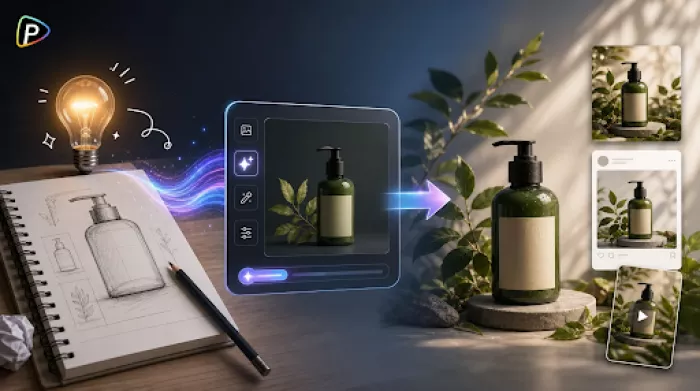
Marketing teams often need images before a product is ready for a phot...
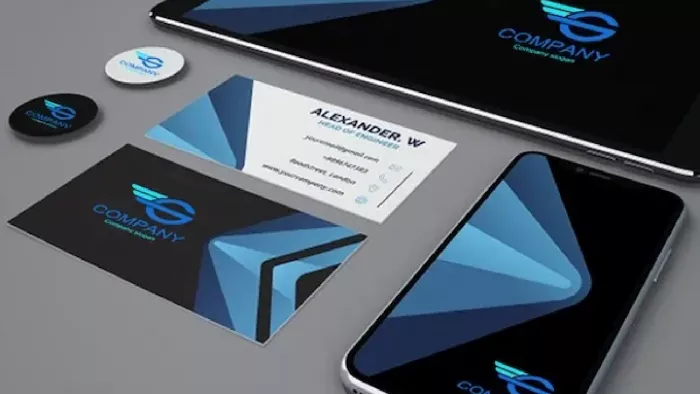
Creating a logo that will grab customers' attention is one of the main...
Enterprise software has a well-known failure mode. The demo goes great...
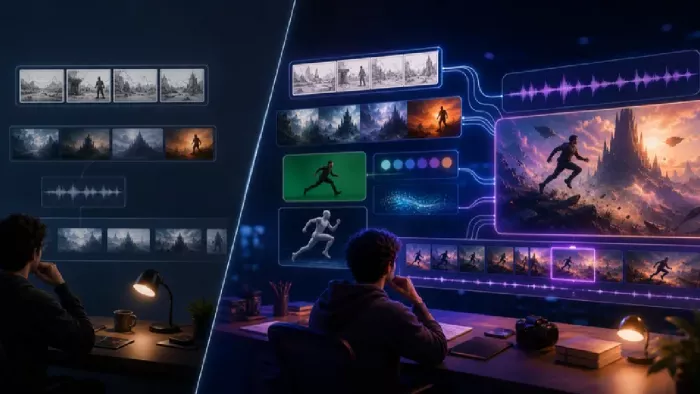
Most people who produce video at any real scale hit the same wall even...
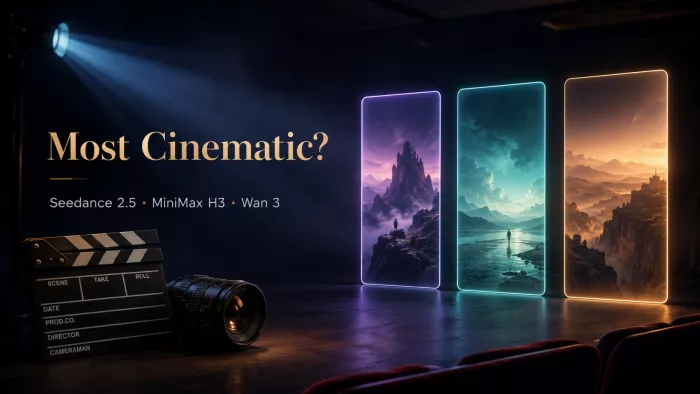
A cinematic AI video needs more than realistic skin, dramatic lighting...
Have you noticed how difficult it is not to watch spoilers of a sporti...
Discussion