


Spotify is making a major bet that the future of audio will not just be professionally produced podcasts or music streams, but personalized AI-generated audio created specifically for individual users. The company has launched new tools that allow AI agents such as OpenAI Codex, Claude Code, and OpenClaw to generate custom podcasts and save them directly into Spotify libraries.
The move signals a major expansion of Spotify’s AI strategy, positioning the platform not just as a streaming service but as a distribution hub for synthetic and personalized audio experiences.
Spotify introduced a beta command-line tool called “Save to Spotify,” allowing users to generate podcasts through AI coding agents and automatically import them into Spotify. The company says people are already using AI tools to create daily briefings, study guides, summaries of notes, and personalized audio recaps based on schedules or documents.
Instead of forcing users to listen to that content through separate AI apps, Spotify wants all of that audio consumption to happen inside its ecosystem.
The strategy mirrors what happened with podcasts years ago. Spotify initially entered podcasting as a distribution platform before aggressively expanding into originals, recommendations, and creator tools. AI-generated personal audio could become the next layer of that expansion.
The company’s vision goes beyond entertainment podcasts. The new AI-generated audio tools are designed for practical use cases such as:
This shifts podcasts away from mass broadcasting and toward highly individualized listening experiences generated dynamically for a single user.
Spotify appears to believe users will increasingly consume AI-generated spoken content throughout the day in the same way they currently consume playlists or podcast episodes.
At the same time, Spotify announced a major international expansion of its AI DJ feature. The AI-powered DJ now supports French, German, Italian, and Brazilian Portuguese in addition to English and Spanish.
The feature is also expanding into more than 75 markets globally, significantly increasing Spotify’s AI reach. Spotify says the AI DJ has already shaped listening experiences for roughly 94 million Premium users since launching in 2023.
The AI DJ combines personalized music recommendations with spoken commentary generated dynamically by AI, effectively creating a continuously adaptive radio-style experience tailored to each listener.
Taken together, these launches show Spotify moving aggressively into AI-native audio infrastructure.
The company is now expanding across:
Rather than treating AI as a separate feature, Spotify increasingly appears to be redesigning the entire listening experience around personalization generated in real time.
Spotify’s strategy also reflects growing competition in AI-powered media. Companies like Google, Adobe, and NotebookLM already allow users to generate podcast-style summaries from documents and notes.
By integrating those experiences directly into Spotify, the company is trying to ensure users consume AI-generated audio inside Spotify instead of through standalone AI apps.
That could become increasingly important as AI-generated media grows more mainstream.
The broader significance of Spotify’s push is that audio may become one of the most practical forms of AI-generated media.
Unlike video generation, AI audio is cheaper to produce, easier to consume passively, and naturally suited for multitasking environments like commuting, exercising, or studying.
Spotify appears to be betting that people will increasingly want AI-generated spoken content customized specifically around their schedules, interests, files, and workflows.
If that behavior scales, Spotify may be positioning itself not just as a music platform, but as the operating system for personalized AI audio consumption.
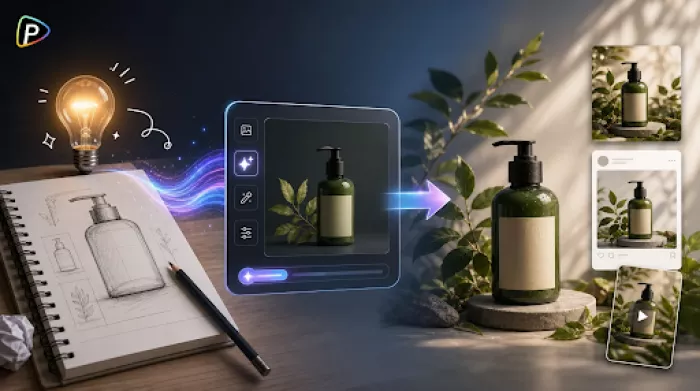
Marketing teams often need images before a product is ready for a phot...
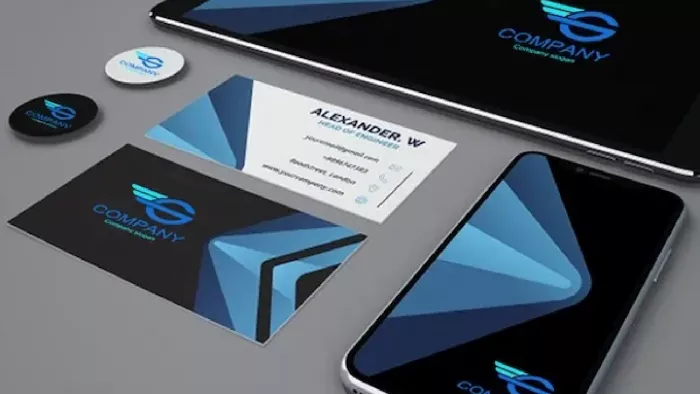
Creating a logo that will grab customers' attention is one of the main...

Enterprise software has a well-known failure mode. The demo goes great...
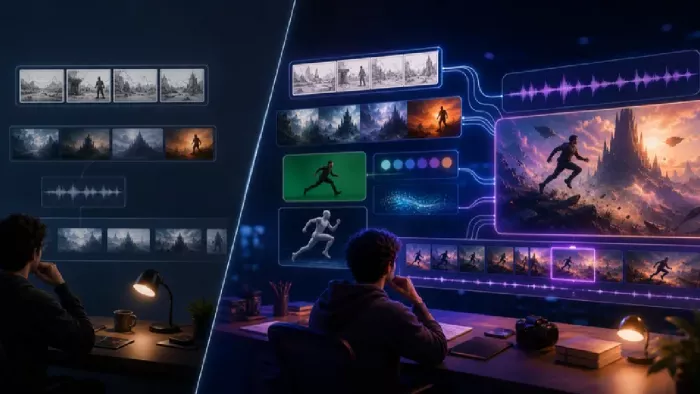
Most people who produce video at any real scale hit the same wall even...
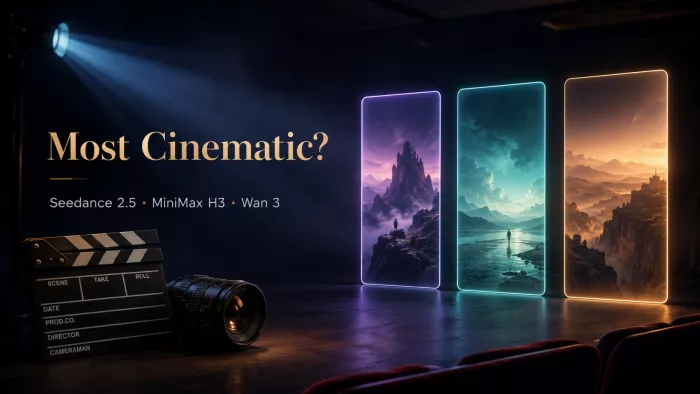
A cinematic AI video needs more than realistic skin, dramatic lighting...
Have you noticed how difficult it is not to watch spoilers of a sporti...
Discussion